
Why Freshly Cooked Food Is Better During the Rainy Season

The rainy season brings cooler weather, hot cups of tea and comforting meals, but it also increases the risk of food contamination. Warm temperatures combined with high humidity create the perfect environment for bacteria and fungi to grow quickly, especially in cooked food that is left at room temperature for too long. This is why nutritionists and food safety experts often recommend eating freshly cooked food during monsoon. Fresh meals not only taste better but also reduce the chances of foodborne illnesses that become more common during this time of year. Understanding why fresh food matters can help you make healthier choices throughout the season.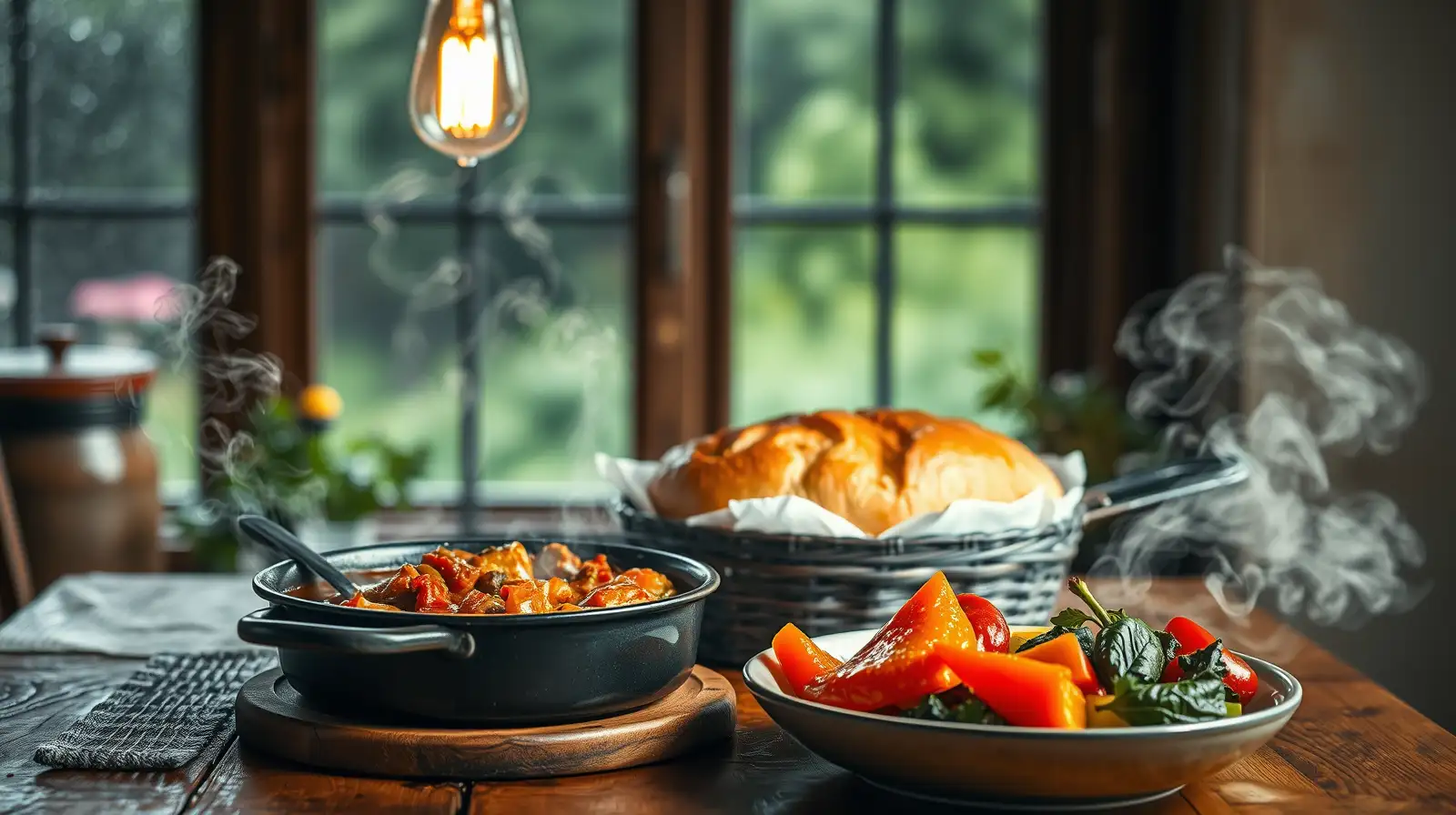
Cooked rice, lentils, curries and dairy-based dishes are especially vulnerable if left outside for several hours. Even if the food appears and smells normal, harmful microorganisms may already be present.
Power cuts, which are more common during heavy rains in some areas, can also affect refrigeration and increase the risk of spoilage.
Fresh meals also tend to retain their natural flavour, texture and aroma. Vegetables remain crisp, spices release their full fragrance and grains maintain their ideal consistency, making meals more enjoyable.
Many freshly cooked dishes are also less likely to require excessive reheating, which can sometimes reduce the quality of certain nutrients over time.
Repeatedly reheating the same dish or leaving it at room temperature for long periods increases the chances of bacterial growth. Certain foods, including rice, seafood and meat, require particular care because they can harbour bacteria that survive if storage conditions are poor.
Preparing smaller portions during monsoon is often a practical way to reduce food waste while ensuring meals stay fresh.
Freshly made dishes reduce the time available for bacteria to multiply, making them a safer option. Traditional ingredients such as turmeric, garlic, ginger and black pepper were also commonly added to meals, not only for flavour but because some of their natural compounds have antimicrobial properties.
Although these spices cannot prevent food spoilage, they complement good cooking and hygiene practices.
Store ingredients properly and avoid buying more perishable items than you can use within a few days. Choosing seasonal vegetables and cooking only what your family needs can also reduce unnecessary leftovers.
Pay attention to signs of spoilage, such as unusual smells, changes in colour or mould, and discard food if you are uncertain about its freshness.
Making freshly cooked food a priority during monsoon is a simple yet effective way to protect your health. It supports better nutrition, lowers the risk of stomach infections and encourages mindful eating habits that benefit the whole family.
Why Food Spoils Faster During Monsoon
Humidity is one of the biggest reasons food spoils more quickly during the rainy season. Moisture in the air encourages bacteria, mould and yeast to multiply at a faster rate than they do in cooler or drier conditions.Cooked rice, lentils, curries and dairy-based dishes are especially vulnerable if left outside for several hours. Even if the food appears and smells normal, harmful microorganisms may already be present.
Power cuts, which are more common during heavy rains in some areas, can also affect refrigeration and increase the risk of spoilage.
The Health Benefits of Freshly Cooked Food
Freshly prepared meals generally contain fewer harmful microorganisms because they are consumed soon after cooking. High cooking temperatures destroy many bacteria, making food safer when eaten immediately.Fresh meals also tend to retain their natural flavour, texture and aroma. Vegetables remain crisp, spices release their full fragrance and grains maintain their ideal consistency, making meals more enjoyable.
Many freshly cooked dishes are also less likely to require excessive reheating, which can sometimes reduce the quality of certain nutrients over time.
Why Leftovers Need Extra Attention
Leftovers are not necessarily unsafe, but they must be handled correctly. Food should be cooled quickly, stored in the refrigerator within two hours of cooking and reheated thoroughly before being eaten again.Repeatedly reheating the same dish or leaving it at room temperature for long periods increases the chances of bacterial growth. Certain foods, including rice, seafood and meat, require particular care because they can harbour bacteria that survive if storage conditions are poor.
You may also like
- EPFO: Mutual Fund or PF? EPFO reveals which is the more beneficial choice..
- Big relief for central government employees! Now, the CGHS pensioner card can be generated in a jiffy via the 'Bhavishya' portal..
- ISRO Offers Internship Opportunities to Students; Find Out Who Can Apply
- Made a mistake while filing your ITR? The Income Tax Department offers a second chance to rectify errors; here is the process..
- Chanakya Niti: These four things are more important than position and prestige, Chanakya had told the mantra of a happy life
Preparing smaller portions during monsoon is often a practical way to reduce food waste while ensuring meals stay fresh.
Traditional Wisdom Has Scientific Support
Long before refrigerators became common, many Indian households followed the practice of preparing fresh meals every day during the rainy season. While this tradition was rooted in experience, modern food science supports the same approach.Freshly made dishes reduce the time available for bacteria to multiply, making them a safer option. Traditional ingredients such as turmeric, garlic, ginger and black pepper were also commonly added to meals, not only for flavour but because some of their natural compounds have antimicrobial properties.
Although these spices cannot prevent food spoilage, they complement good cooking and hygiene practices.
Everyday Habits That Make a Difference
Simple kitchen habits can greatly improve food safety during monsoon. Wash your hands before handling food, use clean utensils and keep raw and cooked foods separate to avoid cross-contamination.Store ingredients properly and avoid buying more perishable items than you can use within a few days. Choosing seasonal vegetables and cooking only what your family needs can also reduce unnecessary leftovers.
Pay attention to signs of spoilage, such as unusual smells, changes in colour or mould, and discard food if you are uncertain about its freshness.
Why This Matters Today
Foodborne illnesses continue to affect millions of people worldwide each year, and the rainy season increases the risk because microorganisms thrive in warm, humid conditions. At the same time, busy lifestyles often encourage people to rely on leftovers or ready-made meals.Making freshly cooked food a priority during monsoon is a simple yet effective way to protect your health. It supports better nutrition, lowers the risk of stomach infections and encourages mindful eating habits that benefit the whole family.






Loving Newspoint? Download the app now
