
Fruitful Skincare: How Adding More Fruit Can Support Healthy, Glowing Skin

A good skincare routine often starts with cleansing, moisturising and protecting the skin from the sun. Yet healthy-looking skin is not shaped by topical products alone. Diet, hydration, sleep and everyday habits also form part of the bigger picture. Fruits can be a simple addition to a balanced diet because they provide nutrients, water and naturally occurring plant compounds. While no single food can transform the skin overnight, eating a varied selection of fruit can complement sensible skincare and support overall nutritional health.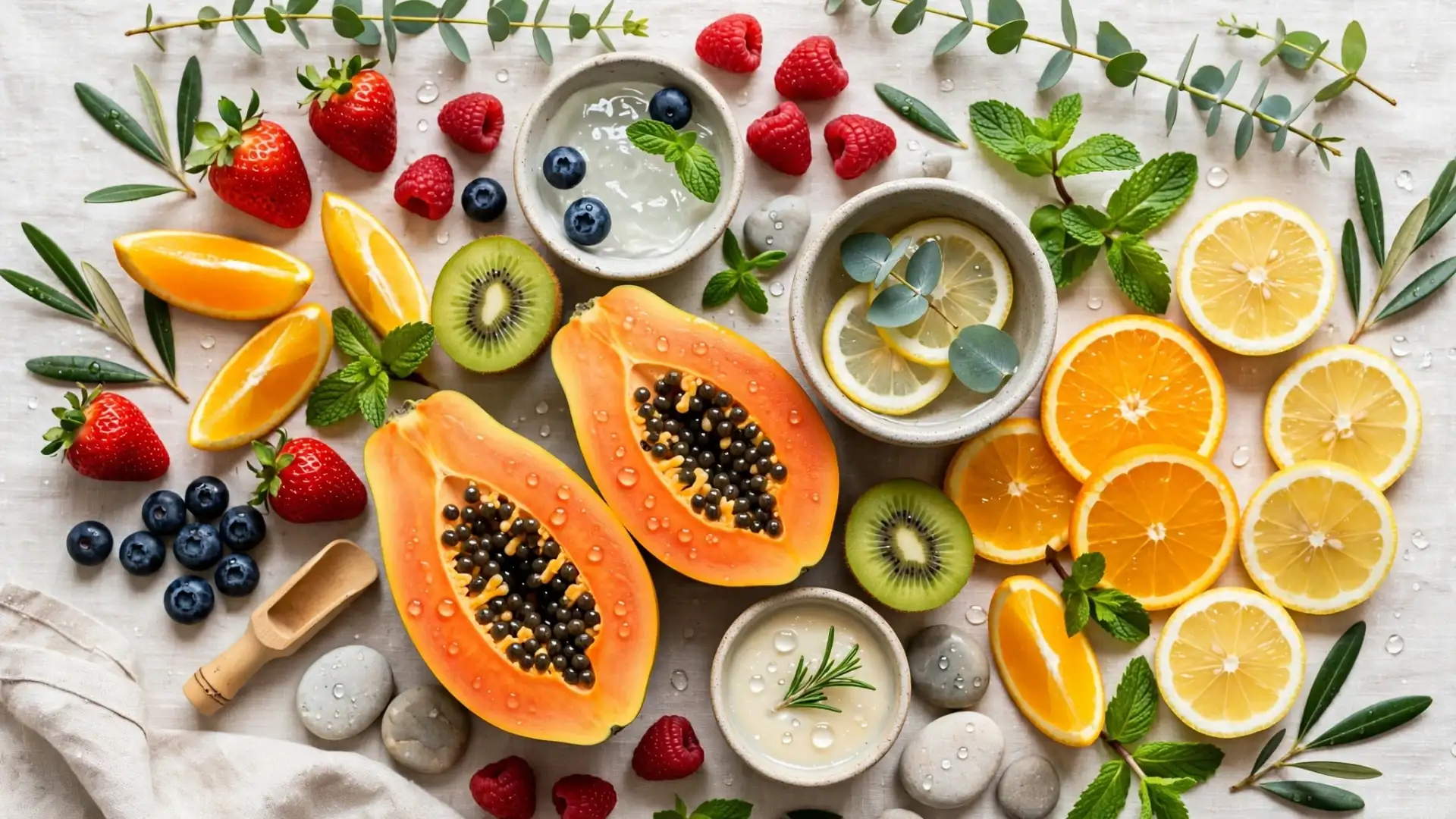
Adding citrus fruit to meals or snacks can therefore be one way to increase vitamin C intake through the diet. Nutrition experts generally recommend getting nutrients from a varied diet rather than relying on a single food.
Berries can be eaten on their own, added to yoghurt or mixed into breakfast dishes. They are an easy way to bring more variety to a healthy skin diet without relying on heavily processed snacks.
Watermelon also provides vitamins and plant compounds, making it a refreshing choice during warmer weather. According to nutrition experts, overall fluid intake and diet quality matter more than relying on one particular fruit for hydration.
Including avocado in meals can add nutritional variety to a balanced diet. It can be served with wholegrain toast, added to salads or blended into savoury dishes.
The key is variety rather than searching for a single ‘best’ fruit for skin . A diet containing different fruits, vegetables, whole grains, pulses, nuts and other nutrient-rich foods provides a broader range of nutrients.
For people dealing with persistent acne, rashes, pigmentation or other skin concerns, dietary changes alone may not address the underlying issue. A dermatologist can provide appropriate guidance when a skin problem continues or worsens.
Ultimately, fruitful skincare is less about chasing quick fixes and more about building consistent habits. Including a colourful variety of fruit in a balanced diet can support good nutrition while complementing the everyday steps that help keep skin healthy-looking.
Image Courtesy: Meta AI
Citrus fruits bring vitamin C to the table
Oranges, lemons, grapefruit and other citrus fruits are well known for their vitamin C content. Vitamin C is involved in normal collagen formation and also functions as an antioxidant.Adding citrus fruit to meals or snacks can therefore be one way to increase vitamin C intake through the diet. Nutrition experts generally recommend getting nutrients from a varied diet rather than relying on a single food.
Berries offer plenty of plant compounds
Strawberries, blueberries, raspberries and blackberries provide vitamins, fibre and a range of naturally occurring plant compounds. Their colourful appearance comes partly from compounds such as anthocyanins.Berries can be eaten on their own, added to yoghurt or mixed into breakfast dishes. They are an easy way to bring more variety to a healthy skin diet without relying on heavily processed snacks.
Water-rich fruits can support hydration
Watermelon, oranges and other water-rich fruits can contribute to daily fluid intake. Adequate hydration is important for normal body function, although eating fruit should not replace drinking water.Watermelon also provides vitamins and plant compounds, making it a refreshing choice during warmer weather. According to nutrition experts, overall fluid intake and diet quality matter more than relying on one particular fruit for hydration.
Avocado adds healthy fats and nutrients
Avocado stands apart from many fruits because it contains a significant amount of fat, much of it monounsaturated. It also provides fibre and several vitamins and minerals.Including avocado in meals can add nutritional variety to a balanced diet. It can be served with wholegrain toast, added to salads or blended into savoury dishes.
You may also like
- Natarajan Chandrasekaran - The outsider who steadied Tata Sons before a boardroom break with the Trusts
- Delhi traffic advisory: Red Fort full-dress rehearsal on August 13 to close key roads; check routes, bus and commercial vehicle restrictions
- How to Manage Anger: Understanding the Shadow Within
- Sadhguru Jaggi Vasudev's 'Disappearing Faces' captures faces and lives of the Himalayas
- Postpartum dry skin is real: Why new mothers may develop painfully dry hands and how to care for them
Papaya and kiwi add more variety
Papaya provides vitamin C and other nutrients, while kiwi is another fruit with a notable vitamin C content. Both can be included in breakfast bowls, salads or eaten as simple snacks.The key is variety rather than searching for a single ‘best’ fruit for skin . A diet containing different fruits, vegetables, whole grains, pulses, nuts and other nutrient-rich foods provides a broader range of nutrients.
Let diet complement your skincare routine
Fruit should be viewed as part of an overall approach to skin health rather than a replacement for skincare products or medical treatment. Sun protection, gentle cleansing and suitable moisturising remain important parts of a basic skincare routine.For people dealing with persistent acne, rashes, pigmentation or other skin concerns, dietary changes alone may not address the underlying issue. A dermatologist can provide appropriate guidance when a skin problem continues or worsens.
Ultimately, fruitful skincare is less about chasing quick fixes and more about building consistent habits. Including a colourful variety of fruit in a balanced diet can support good nutrition while complementing the everyday steps that help keep skin healthy-looking.
Image Courtesy: Meta AI






Loving Newspoint? Download the app now
