
Why Gen Z Is Ditching Social Media for Journaling, Reading and Other Offline Hobbies

Is your social media feed also flooded with influencers romanticising hobbies such as journaling, reading, knitting, painting, and baking? Once considered old-fashioned, these activities have suddenly emerged as some of the biggest lifestyle trends of 2026. Gen Z is helping bring these quiet hobbies back into the spotlight, embracing a more offline lifestyle across platforms like TikTok and Instagram.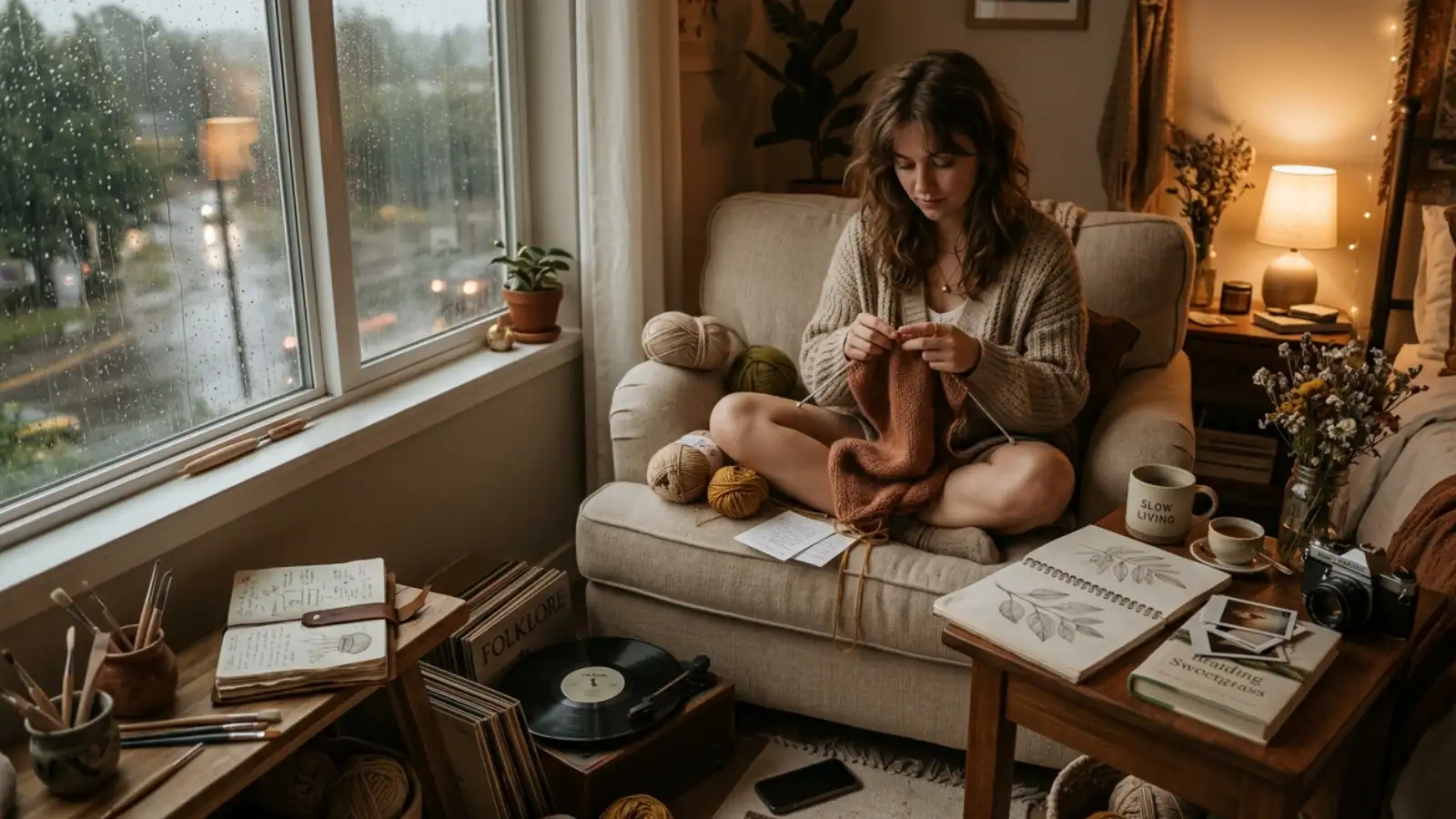
These activities offer comfort, creativity, and a welcome break from constant digital stimulation. Having grown up surrounded by screens, many young people are now turning to hobbies that provide a sense of calm and balance. For them, these pursuits are no longer just about aesthetics; they reflect a growing desire for mindfulness, intentional living, and emotional well-being .
Why Gen Z Is Adopting These Quiet Hobbies
Digital burnout is reaching a tipping point. It is not that Gen Z dislikes the internet or wants to abandon social media altogether. Rather, many are growing tired of the endless doomscrolling that has become a daily habit. The internet is filled with never-ending information, constant entertainment, and social pressure, creating a cycle of overstimulation and exhaustion.
Unlike many millennials, who often viewed online visibility as a gateway to opportunities, Gen Z is becoming increasingly selective about how much of their lives they share online. Many prefer private accounts, finstas, or even taking breaks from social media altogether instead of constantly chasing visibility and engagement. For them, social media is no longer as exciting as it once seemed; it often feels emotionally draining, highly performative, and difficult to escape.
Offline Hobbies as a Form of Self-Care
These hobbies feel more "real" because they involve physical experiences rather than online interactions. For many young people, hobbies are no longer just ways to pass the time; they have become a form of emotional self-care. Activities such as journaling, painting, baking, reading, and gardening offer a sense of comfort and calm in today's fast-paced world.
These hobbies are also closely linked to the growing trend of "slow living." Gen Z is increasingly embracing such activities as a way to push back against today's hustle culture. They provide the freedom to create, relax, and simply exist without the pressure of performance or competition.
This generation is placing greater importance on comfort, intentional living, and emotional well-being. Offline hobbies offer a space that social media often cannot. There is no pressure to prove that they are having fun or to constantly be productive. Instead, many young people are seeking deeper and more meaningful connections rather than performing for a large online audience, where conversations happen through comment sections and moments are reduced to social media posts.
These activities offer comfort, creativity, and a welcome break from constant digital stimulation. Having grown up surrounded by screens, many young people are now turning to hobbies that provide a sense of calm and balance. For them, these pursuits are no longer just about aesthetics; they reflect a growing desire for mindfulness, intentional living, and emotional well-being .
Why Gen Z Is Adopting These Quiet Hobbies
Digital burnout is reaching a tipping point. It is not that Gen Z dislikes the internet or wants to abandon social media altogether. Rather, many are growing tired of the endless doomscrolling that has become a daily habit. The internet is filled with never-ending information, constant entertainment, and social pressure, creating a cycle of overstimulation and exhaustion.
You may also like
- Mumbai rains update: IMD issues orange alert, flights and train services hit; here's what travellers should expect
- Psychology says adults who keep checking tracking updates for a package aren't impatient; uncertainty can be more psychologically uncomfortable than waiting
- Psychology says adults who remember everyone's favorite snack or drink aren't gifted with details; small acts of remembering help relationships feel secure
- Psychology says people who follow morning routines aren't creatures of habit; predictability can create a sense of safety before the day becomes uncertain
- Millions Are Switching to Period Panties Here's Why Pads Are Losing Ground
Unlike many millennials, who often viewed online visibility as a gateway to opportunities, Gen Z is becoming increasingly selective about how much of their lives they share online. Many prefer private accounts, finstas, or even taking breaks from social media altogether instead of constantly chasing visibility and engagement. For them, social media is no longer as exciting as it once seemed; it often feels emotionally draining, highly performative, and difficult to escape.
Offline Hobbies as a Form of Self-Care
These hobbies feel more "real" because they involve physical experiences rather than online interactions. For many young people, hobbies are no longer just ways to pass the time; they have become a form of emotional self-care. Activities such as journaling, painting, baking, reading, and gardening offer a sense of comfort and calm in today's fast-paced world.
These hobbies are also closely linked to the growing trend of "slow living." Gen Z is increasingly embracing such activities as a way to push back against today's hustle culture. They provide the freedom to create, relax, and simply exist without the pressure of performance or competition.
This generation is placing greater importance on comfort, intentional living, and emotional well-being. Offline hobbies offer a space that social media often cannot. There is no pressure to prove that they are having fun or to constantly be productive. Instead, many young people are seeking deeper and more meaningful connections rather than performing for a large online audience, where conversations happen through comment sections and moments are reduced to social media posts.






More from our partners


Loving Newspoint? Download the app now
