
Goa Bans Swimming at Waterfalls: New 60-Day Rule Every Tourist Must Follow During Monsoon

Goa bans swimming at waterfalls for the next 60 days as part of a major safety measure during the monsoon season. If you're planning to explore the state's scenic waterfalls, rivers, lakes or other natural water bodies, you'll need to stay out of the water. The new order applies to both tourists and residents, with authorities warning that anyone violating the rule could face legal action, including the registration of an FIR.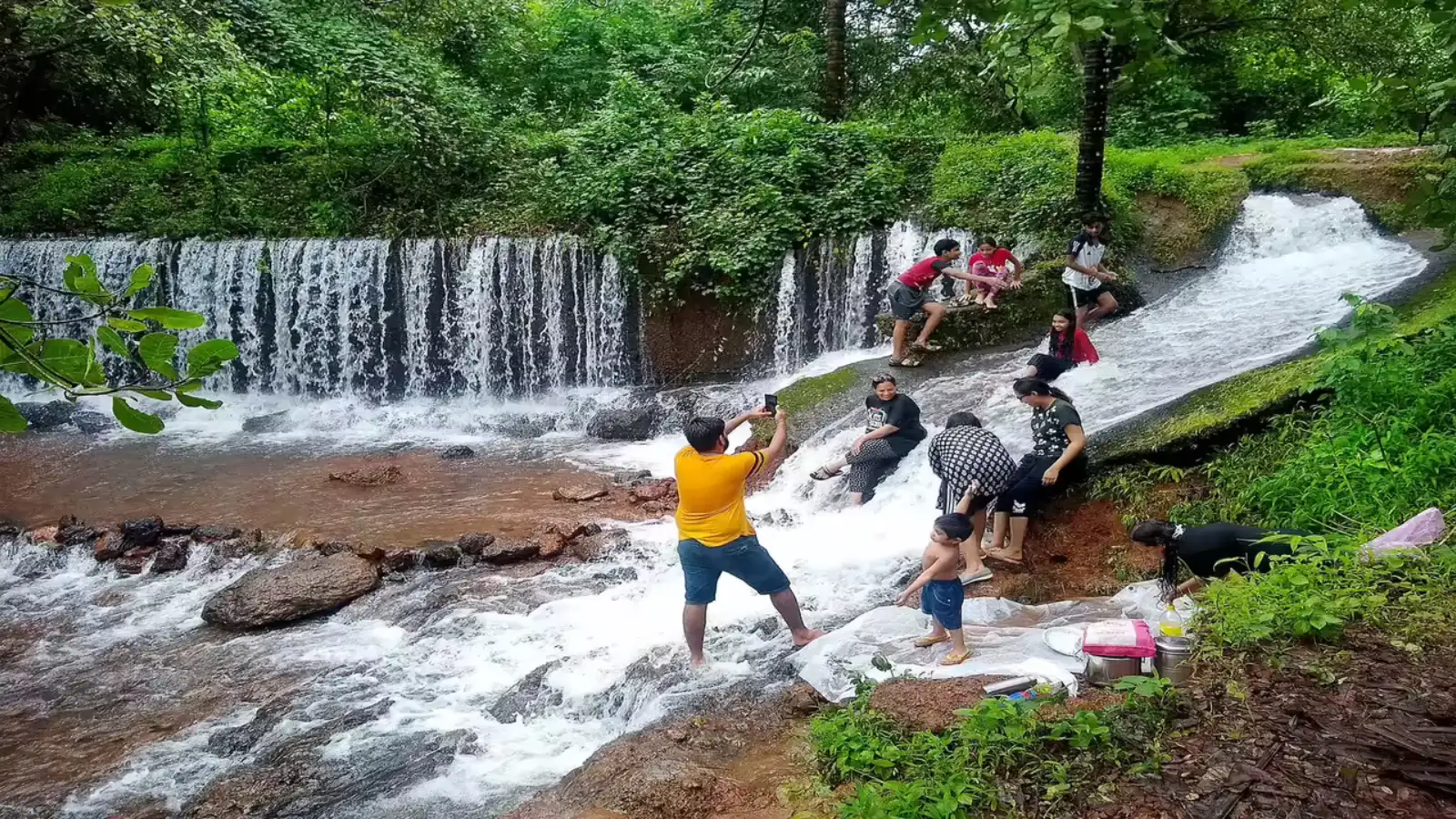
Goa Enforces 60-Day Ban on Entering Natural Water Bodies
The South Goa district administration has announced a temporary restriction on entering natural water bodies during the rainy season. The ban covers a wide range of activities, including:
The restriction will remain in effect for 60 days as authorities aim to reduce the number of monsoon-related accidents.
Why Authorities Have Introduced the New Rule
The decision follows repeated drowning incidents reported during Goa's monsoon months. Every year, heavy rainfall transforms otherwise calm water bodies into hazardous zones.
Officials say that despite warning signs, awareness drives and repeated public advisories, many visitors continue to ignore safety instructions. With water conditions changing rapidly during the rains, authorities have decided that stricter enforcement is necessary to protect lives.
Can Tourists Still Visit Goa's Famous Waterfalls?
Yes. Visitors are still welcome to explore Goa's picturesque waterfalls and enjoy the surrounding natural beauty.
However, the new order clearly prohibits any activity that involves entering the water. Tourists can:
They cannot:
Why Monsoon Waterfalls Can Turn Dangerous Without Warning
Natural waterfalls become far more unpredictable during the rainy season. Even if the water appears calm, conditions can change within minutes due to heavy rainfall upstream.
Goa Enforces 60-Day Ban on Entering Natural Water Bodies
The South Goa district administration has announced a temporary restriction on entering natural water bodies during the rainy season. The ban covers a wide range of activities, including:
- Swimming
- Bathing
- Diving
- Cliff-jumping
- Wading into the water
- Entering rivers, lakes, waterfalls, abandoned quarries and similar natural water bodies
The restriction will remain in effect for 60 days as authorities aim to reduce the number of monsoon-related accidents.
Why Authorities Have Introduced the New Rule
The decision follows repeated drowning incidents reported during Goa's monsoon months. Every year, heavy rainfall transforms otherwise calm water bodies into hazardous zones.
Officials say that despite warning signs, awareness drives and repeated public advisories, many visitors continue to ignore safety instructions. With water conditions changing rapidly during the rains, authorities have decided that stricter enforcement is necessary to protect lives.
Can Tourists Still Visit Goa's Famous Waterfalls?
Yes. Visitors are still welcome to explore Goa's picturesque waterfalls and enjoy the surrounding natural beauty.
However, the new order clearly prohibits any activity that involves entering the water. Tourists can:
- Enjoy the scenic views
- Capture photographs
- Stay within designated viewing areas
They cannot:
- Swim beneath waterfalls
- Take a dip in natural pools
- Stand or walk inside the water
- Dive or jump into water bodies
Why Monsoon Waterfalls Can Turn Dangerous Without Warning
Natural waterfalls become far more unpredictable during the rainy season. Even if the water appears calm, conditions can change within minutes due to heavy rainfall upstream.
Next Story