
Green Spots on Potatoes: Are They Safe to Eat or a Sign You Should Throw Them Away?

Green spots on potatoes may look harmless, but they can sometimes signal that the vegetable is no longer completely safe to eat. Potatoes are one of the most commonly used ingredients in kitchens around the world, making their way into curries, fries, mashed potatoes, snacks and baked dishes. However, before adding them to your meal, it is worth taking a closer look. While bruises and rotten sections are easy to identify, green patches are often overlooked. Understanding why potatoes turn green and when they should be discarded can help you avoid potential health risks while reducing unnecessary food waste.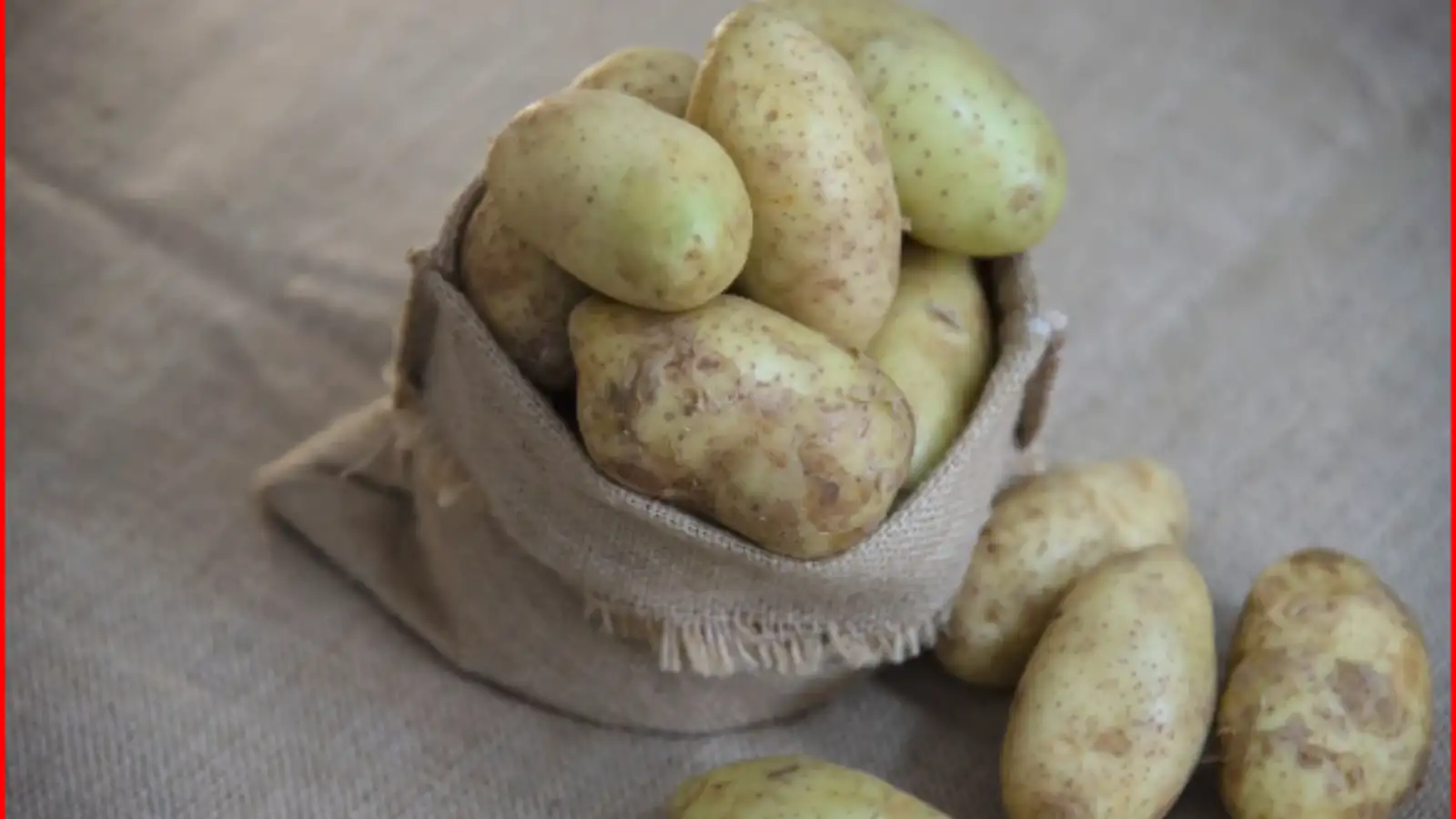
Why Do Potatoes Develop Green Patches?
A potato turns green when it is exposed to sunlight or strong artificial lighting for an extended period. This exposure encourages the production of chlorophyll—the same natural pigment that gives plants and leaves their green colour.
Although chlorophyll itself is completely harmless, its presence often indicates that the potato may also contain higher levels of solanine, a naturally occurring compound that acts as a defence mechanism for the plant. When solanine builds up in large amounts, it can become unsafe for human consumption.
Are Green Potatoes Safe to Eat?
The answer depends on how much of the potato has turned green.
If only a small portion of the skin has a light green tint, you can usually remove the green area along with a thick layer of peel and use the unaffected part of the potato. However, inspect it carefully before cooking.
If the potato is extensively green, has a bitter taste, gives off an unusual smell or shows widespread discolouration, it is best to throw it away. Food safety experts, including the US-based National Capital Poison Center, recommend avoiding potatoes with significant greening or abnormal taste and odour because they may contain excessive amounts of solanine.
Can Cooking Make Green Potatoes Safe?
Many people believe that boiling, frying or baking removes harmful substances from green potatoes, but this is a myth.
Solanine remains stable even at normal cooking temperatures, meaning everyday cooking methods do not effectively eliminate the toxin. If a potato contains high levels of solanine, preparing it in the usual way will not make it safe to eat.
Simple Tips to Prevent Potatoes from Turning Green
Proper storage is the easiest way to stop potatoes from developing green patches. Follow these practical tips:
Green patches on potatoes should never be ignored. While a small green area can often be safely removed by peeling away the affected portion, potatoes that are heavily green, bitter or have an unusual smell should be discarded. Since cooking does not destroy solanine, proper storage and regular inspection remain the best ways to keep potatoes fresh, safe and ready for your favourite meals.
Why Do Potatoes Develop Green Patches?
A potato turns green when it is exposed to sunlight or strong artificial lighting for an extended period. This exposure encourages the production of chlorophyll—the same natural pigment that gives plants and leaves their green colour.
Although chlorophyll itself is completely harmless, its presence often indicates that the potato may also contain higher levels of solanine, a naturally occurring compound that acts as a defence mechanism for the plant. When solanine builds up in large amounts, it can become unsafe for human consumption.
Are Green Potatoes Safe to Eat?
The answer depends on how much of the potato has turned green.
If only a small portion of the skin has a light green tint, you can usually remove the green area along with a thick layer of peel and use the unaffected part of the potato. However, inspect it carefully before cooking.
You may also like
- How did Sandwich get its name? The lesser-known history of the gambling lord who gave the sandwich its name?
- Controversy Erupts on Lock Upp 2 Over Personal Boundaries
- There are only 8 states in America starting with 'N' and each offers a unique travel experience
- Kriti Sanon gives the conventional power suit a couture upgrade with a statement corset twist
- Quote of the Day by Friedrich Nietzsche "What makes unhappy marriages? It is not the lack of love but the absence of...."
If the potato is extensively green, has a bitter taste, gives off an unusual smell or shows widespread discolouration, it is best to throw it away. Food safety experts, including the US-based National Capital Poison Center, recommend avoiding potatoes with significant greening or abnormal taste and odour because they may contain excessive amounts of solanine.
Can Cooking Make Green Potatoes Safe?
Many people believe that boiling, frying or baking removes harmful substances from green potatoes, but this is a myth.
Solanine remains stable even at normal cooking temperatures, meaning everyday cooking methods do not effectively eliminate the toxin. If a potato contains high levels of solanine, preparing it in the usual way will not make it safe to eat.
Simple Tips to Prevent Potatoes from Turning Green
Proper storage is the easiest way to stop potatoes from developing green patches. Follow these practical tips:
- Keep potatoes in a cool, dry and dark place, away from direct sunlight and bright indoor lighting.
- Store them in breathable baskets, paper bags or mesh bags to allow good air circulation.
- Avoid refrigerating potatoes, as low temperatures can change their starch into sugar, affecting both flavour and texture.
- Keep potatoes away from onions because the gases released by both vegetables can speed up spoilage.
Green patches on potatoes should never be ignored. While a small green area can often be safely removed by peeling away the affected portion, potatoes that are heavily green, bitter or have an unusual smell should be discarded. Since cooking does not destroy solanine, proper storage and regular inspection remain the best ways to keep potatoes fresh, safe and ready for your favourite meals.






Loving Newspoint? Download the app now
