
How to Grow Coriander at Home Without Letting It Bolt Too Quickly

Fresh coriander leaves can add flavour and fragrance to everyday meals, making the herb a popular choice for home gardens. However, one common problem gardeners face is bolting, when a coriander plant starts producing flowers and seeds earlier than expected. Once this happens, leaf production often slows, and the leaves may become smaller or less tender. Fortunately, a few simple growing techniques can help delay bolting and keep plants productive for longer. From choosing the right season to managing sunlight and watering, here is how to grow coriander at home without letting it bolt too quickly.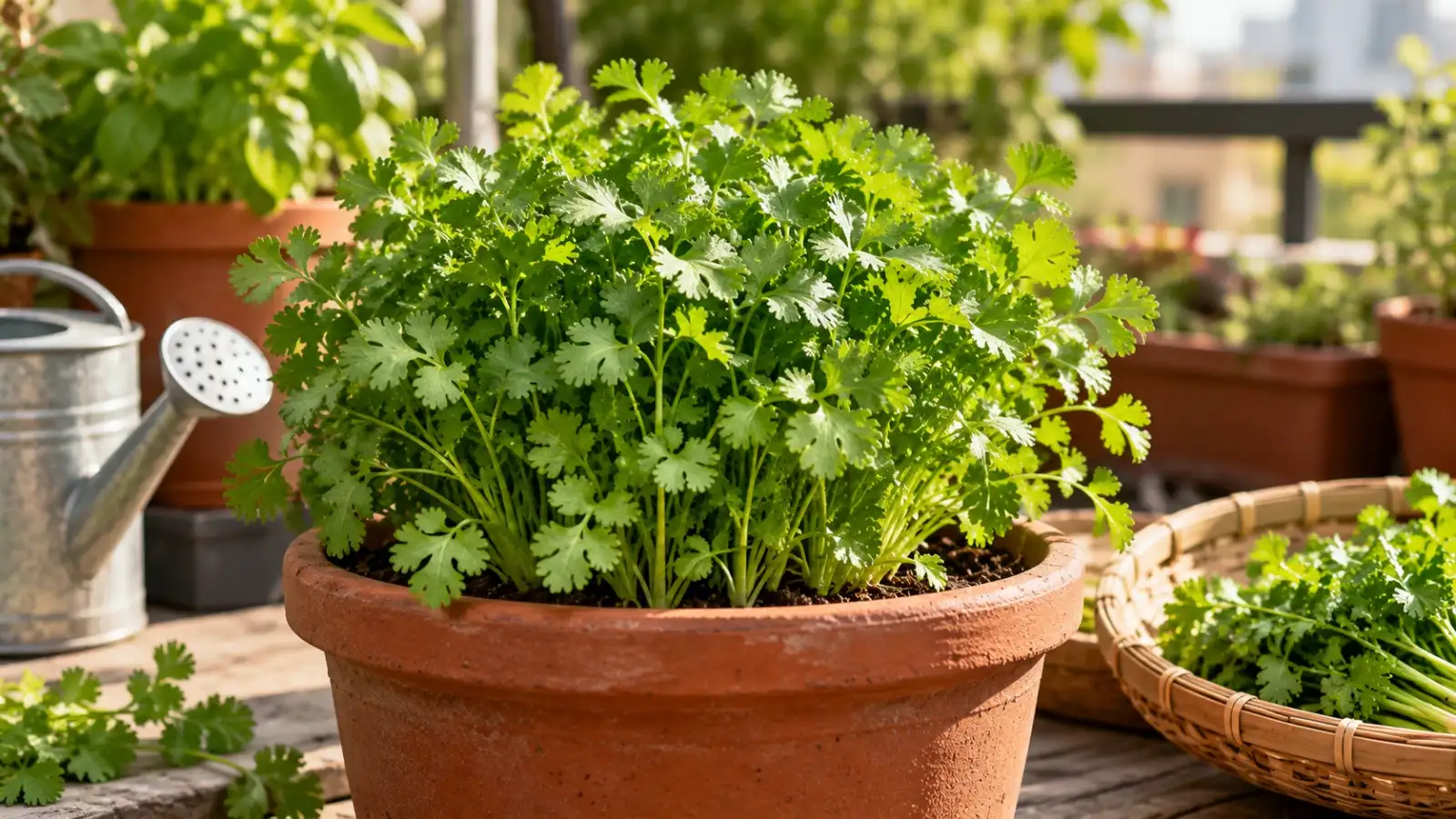
Coriander is particularly sensitive to heat. When temperatures rise, especially during hot Indian summers, plants may begin flowering before they have produced enough leaves for regular harvesting. The aim is not to prevent bolting permanently, but to delay it by providing suitable growing conditions.
If you are growing coriander in containers, you have greater control over its location. During hot weather, keep pots in a cooler spot with protection from intense afternoon sunshine.
For a continuous supply, sow small batches of coriander seeds every two to three weeks when the weather is suitable. This succession planting means you will have younger plants growing even when older ones begin to flower.
On balconies and terraces, avoid placing pots against surfaces that become extremely hot during the day. Terracotta and dark-coloured containers can heat up quickly in direct sunshine, potentially stressing the roots.
If your plants are already growing in a sunny location, try moving the pot to a spot with morning sun and filtered afternoon light. Avoid keeping coriander in deep shade all day, as insufficient light can result in weak, stretched growth.
Containers may need more frequent watering than garden beds, particularly during warm or windy weather. Use pots with drainage holes so excess water can escape. Constantly soggy soil can damage roots and encourage disease.
Adding compost to the growing medium can improve its structure and help it retain moisture. A thin layer of organic mulch may also help keep the soil cooler, provided it does not press tightly against the stems.
Avoid removing too many leaves at once. The plant needs healthy foliage to produce energy for continued growth.
If the central flower stalk appears, pinch it off while it is still small. This may delay flowering briefly, but it will not stop bolting indefinitely, particularly during hot weather. Once the plant has firmly entered its flowering stage, it is often more practical to allow it to produce seeds.
Sow seeds directly into the final pot or garden bed because coriander develops a taproot and does not always respond well to transplanting. If several seedlings emerge close together, thin them gently to give the remaining plants enough room to develop.
Choose a container with sufficient depth for root growth and avoid overcrowding it with too many plants. Good airflow can help reduce moisture-related problems and keep the foliage healthier.
Growing coriander without early bolting is mainly about reducing heat stress and maintaining steady growing conditions. Sow during cooler weather, provide morning sunlight with some afternoon shade, keep the soil evenly moist and harvest leaves carefully. These steps can help extend the leafy stage, although no method can prevent bolting completely. For a reliable supply of fresh coriander, sowing small batches at regular intervals is one of the most practical strategies for a home garden.
What Does Bolting Mean in Coriander?
Bolting occurs when a coriander plant shifts from producing leafy growth to developing a flower stalk. This is a natural part of its life cycle, but warm weather, long daylight hours and plant stress can encourage it to happen sooner.Coriander is particularly sensitive to heat. When temperatures rise, especially during hot Indian summers, plants may begin flowering before they have produced enough leaves for regular harvesting. The aim is not to prevent bolting permanently, but to delay it by providing suitable growing conditions.
Choose the Right Time to Sow Coriander
Timing makes a significant difference to how long coriander remains leafy. In many parts of India, the cooler months are suitable for growing coriander outdoors. In warmer regions, sowing during a relatively cool period can help plants establish themselves before temperatures rise.If you are growing coriander in containers, you have greater control over its location. During hot weather, keep pots in a cooler spot with protection from intense afternoon sunshine.
For a continuous supply, sow small batches of coriander seeds every two to three weeks when the weather is suitable. This succession planting means you will have younger plants growing even when older ones begin to flower.
Give Coriander the Right Amount of Sunlight
Coriander needs sunlight to grow well, but excessive heat can encourage early bolting. A location receiving gentle morning sunlight and some afternoon shade is often helpful in warm climates.On balconies and terraces, avoid placing pots against surfaces that become extremely hot during the day. Terracotta and dark-coloured containers can heat up quickly in direct sunshine, potentially stressing the roots.
If your plants are already growing in a sunny location, try moving the pot to a spot with morning sun and filtered afternoon light. Avoid keeping coriander in deep shade all day, as insufficient light can result in weak, stretched growth.
You may also like
- 'Quick tasks' before clock-out? Employee says the boss keeps extending workdays without overtime pay, sparking debates over burnout, boundaries and the pressure to always say yes
- Paytm AU Bank Credit Card: Get this new card with zero fees and enjoy significant savings on UPI payments..
- The wait for the 24th installment is over! Find out which farmers will have ₹2,000 transferred into their accounts this week..
- The Significance of Sixteen Adornments on Karva Chauth: A Blend of Beauty and Tradition
- Egyptian Sphinx: Fossils Near Reveal Ancient Gharial Crocodile
Keep the Soil Moist, but Never Waterlogged
Uneven watering can stress coriander plants and make them more vulnerable to early flowering. Check the soil regularly and water when the top layer begins to feel dry.Containers may need more frequent watering than garden beds, particularly during warm or windy weather. Use pots with drainage holes so excess water can escape. Constantly soggy soil can damage roots and encourage disease.
Adding compost to the growing medium can improve its structure and help it retain moisture. A thin layer of organic mulch may also help keep the soil cooler, provided it does not press tightly against the stems.
Harvest Leaves Regularly and Carefully
Regular harvesting encourages you to use the leaves while they are fresh and helps prevent the plant from becoming overcrowded. Once the coriander has developed enough foliage, snip a few outer leaves with clean scissors, leaving the central growing point intact.Avoid removing too many leaves at once. The plant needs healthy foliage to produce energy for continued growth.
If the central flower stalk appears, pinch it off while it is still small. This may delay flowering briefly, but it will not stop bolting indefinitely, particularly during hot weather. Once the plant has firmly entered its flowering stage, it is often more practical to allow it to produce seeds.
Use Loose Soil and Avoid Overcrowding
Coriander grows best in loose, well-draining soil enriched with mature compost. Heavy, compacted soil can restrict root growth, while poor drainage can create problems during watering.Sow seeds directly into the final pot or garden bed because coriander develops a taproot and does not always respond well to transplanting. If several seedlings emerge close together, thin them gently to give the remaining plants enough room to develop.
Choose a container with sufficient depth for root growth and avoid overcrowding it with too many plants. Good airflow can help reduce moisture-related problems and keep the foliage healthier.
Growing coriander without early bolting is mainly about reducing heat stress and maintaining steady growing conditions. Sow during cooler weather, provide morning sunlight with some afternoon shade, keep the soil evenly moist and harvest leaves carefully. These steps can help extend the leafy stage, although no method can prevent bolting completely. For a reliable supply of fresh coriander, sowing small batches at regular intervals is one of the most practical strategies for a home garden.






Loving Newspoint? Download the app now
