
Halwai-Style Curd at Home: Easy Tips to Make Thick, Creamy Dahi Without Excess Water

Halwai-style curd at home is known for its rich, creamy texture and firm consistency that holds its shape beautifully. While curd is a staple in many Indian households, getting the same thick and velvety texture as sweet shops can be challenging. Homemade dahi often turns watery, loose, or overly sour due to small mistakes during preparation. The good news is that a few traditional techniques can help you make perfectly set, thick curd at home every time.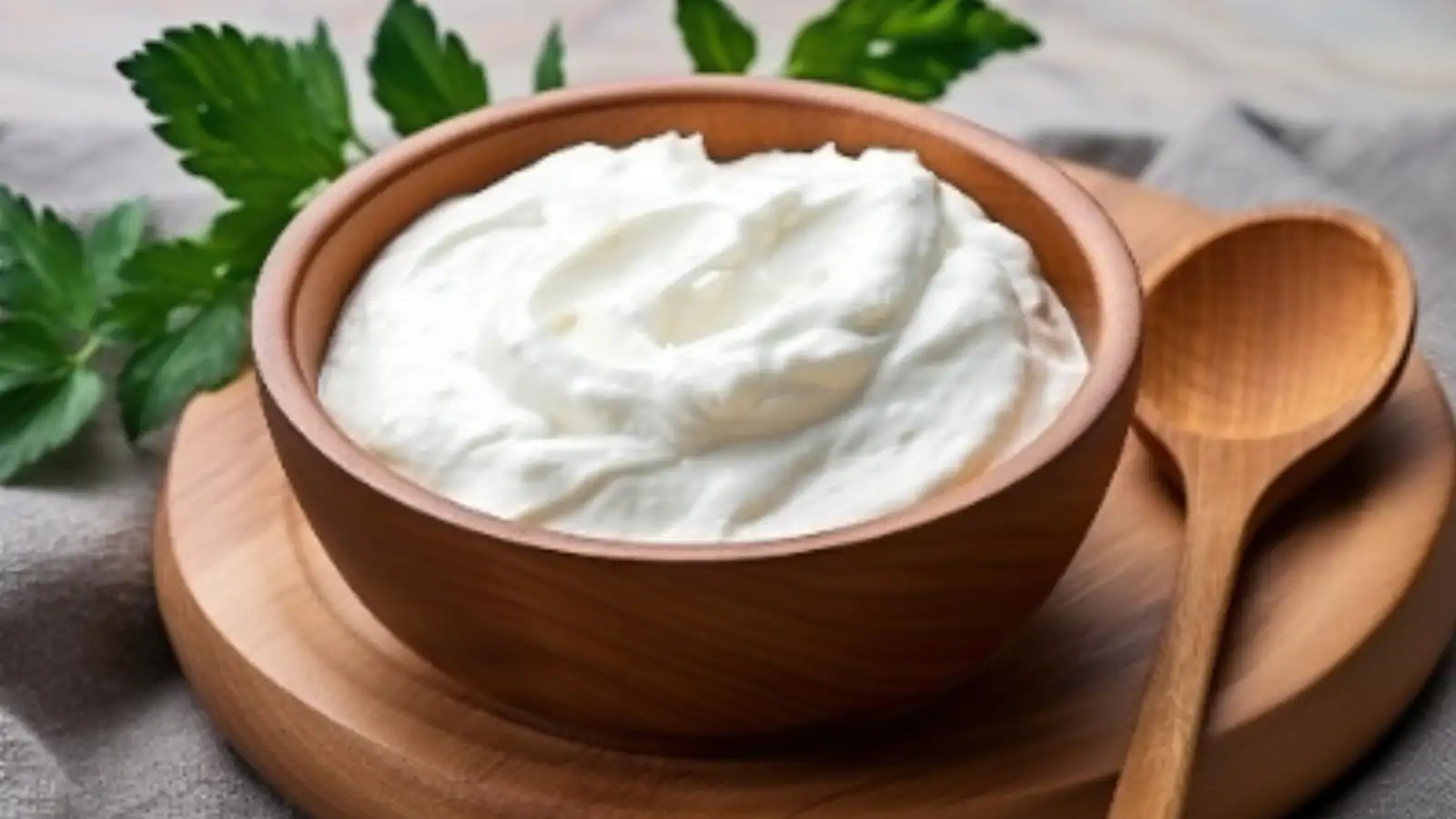
Why Does Homemade Curd Turn Watery?
Many people assume that setting curd is simply about adding a spoonful of starter culture to milk. However, factors such as milk quality, temperature, container choice, and fermentation conditions play a major role. If any of these elements are not right, the curd may fail to develop the desired texture.
Start With Properly Boiled Milk
The foundation of thick curd lies in the milk itself. Before setting the curd, allow the milk to boil thoroughly and then continue simmering it for 10 to 15 minutes.
This process helps reduce excess water content and slightly thickens the milk, resulting in a richer final texture. Using full-cream milk can further improve the consistency and make the curd denser and creamier.
Ensure the Milk Is at the Right Temperature
Temperature is one of the most important factors in successful curd setting.
Milk that is too hot can damage the beneficial bacteria in the starter culture, while milk that is too cold may slow down fermentation. The ideal temperature is lukewarm—warm enough to feel comfortable when touched but not hot enough to burn your finger.
The type of vessel used can significantly affect the texture of the curd.
Traditional sweet makers often prefer earthen pots because they naturally absorb excess moisture from the mixture. This helps produce thicker and firmer curd. If an earthen pot is unavailable, ceramic or glass containers are excellent alternatives and generally perform better than steel bowls.
Use Fresh and Mild Starter Curd
The quality of the starter culture determines how well the curd sets.
Always use fresh curd that is not overly sour. Add one spoonful of starter curd to the lukewarm milk and mix it evenly throughout the container. Proper distribution of the culture encourages uniform fermentation and helps achieve a smooth texture.
The Traditional Green Chilli Trick
One lesser-known technique followed in some sweet shops involves using a green chilli.
After adding the starter curd, place a green chilli with its stem intact into the milk. According to traditional practice, natural enzymes present on the chilli stem may assist the fermentation process and help the curd set more firmly.
Leave the Curd Undisturbed
Patience is essential when making thick curd.
Once the milk and starter culture are mixed, cover the container and keep it in a warm place without disturbing it. Allow it to set for six to seven hours. Avoid moving or shaking the container during this period, as it can interfere with the setting process.
Refrigerate for Extra Thickness
After the curd has fully set, transfer it to the refrigerator for about an hour.
Cooling helps the curd firm up further and gives it the dense, creamy texture commonly seen in sweet shops. The result is a bowl of smooth, thick dahi that pairs perfectly with meals, parathas, rice dishes, or even desserts.
Making halwai-style curd at home does not require any special equipment or complicated ingredients. By simmering the milk properly, maintaining the right temperature, choosing a suitable container, using fresh starter curd, and allowing adequate fermentation time, you can enjoy thick, creamy, and delicious homemade dahi that rivals the quality of your favourite sweet shop.
Why Does Homemade Curd Turn Watery?
Many people assume that setting curd is simply about adding a spoonful of starter culture to milk. However, factors such as milk quality, temperature, container choice, and fermentation conditions play a major role. If any of these elements are not right, the curd may fail to develop the desired texture.
Start With Properly Boiled Milk
The foundation of thick curd lies in the milk itself. Before setting the curd, allow the milk to boil thoroughly and then continue simmering it for 10 to 15 minutes.
This process helps reduce excess water content and slightly thickens the milk, resulting in a richer final texture. Using full-cream milk can further improve the consistency and make the curd denser and creamier.
Ensure the Milk Is at the Right Temperature
Temperature is one of the most important factors in successful curd setting.
Milk that is too hot can damage the beneficial bacteria in the starter culture, while milk that is too cold may slow down fermentation. The ideal temperature is lukewarm—warm enough to feel comfortable when touched but not hot enough to burn your finger.
Pick the Best Container for Setting Curd
The type of vessel used can significantly affect the texture of the curd.
Traditional sweet makers often prefer earthen pots because they naturally absorb excess moisture from the mixture. This helps produce thicker and firmer curd. If an earthen pot is unavailable, ceramic or glass containers are excellent alternatives and generally perform better than steel bowls.
Use Fresh and Mild Starter Curd
The quality of the starter culture determines how well the curd sets.
Always use fresh curd that is not overly sour. Add one spoonful of starter curd to the lukewarm milk and mix it evenly throughout the container. Proper distribution of the culture encourages uniform fermentation and helps achieve a smooth texture.
You may also like
- Mumbai rains update: IMD issues orange alert, flights and train services hit; here's what travellers should expect
- Psychology says adults who keep checking tracking updates for a package aren't impatient; uncertainty can be more psychologically uncomfortable than waiting
- Psychology says adults who remember everyone's favorite snack or drink aren't gifted with details; small acts of remembering help relationships feel secure
- Psychology says people who follow morning routines aren't creatures of habit; predictability can create a sense of safety before the day becomes uncertain
- Millions Are Switching to Period Panties Here's Why Pads Are Losing Ground
The Traditional Green Chilli Trick
One lesser-known technique followed in some sweet shops involves using a green chilli.
After adding the starter curd, place a green chilli with its stem intact into the milk. According to traditional practice, natural enzymes present on the chilli stem may assist the fermentation process and help the curd set more firmly.
Leave the Curd Undisturbed
Patience is essential when making thick curd.
Once the milk and starter culture are mixed, cover the container and keep it in a warm place without disturbing it. Allow it to set for six to seven hours. Avoid moving or shaking the container during this period, as it can interfere with the setting process.
Refrigerate for Extra Thickness
After the curd has fully set, transfer it to the refrigerator for about an hour.
Cooling helps the curd firm up further and gives it the dense, creamy texture commonly seen in sweet shops. The result is a bowl of smooth, thick dahi that pairs perfectly with meals, parathas, rice dishes, or even desserts.
Making halwai-style curd at home does not require any special equipment or complicated ingredients. By simmering the milk properly, maintaining the right temperature, choosing a suitable container, using fresh starter curd, and allowing adequate fermentation time, you can enjoy thick, creamy, and delicious homemade dahi that rivals the quality of your favourite sweet shop.






More from our partners


Loving Newspoint? Download the app now
