
Heart-Healthy Diet: Foods You Should Add to Your Daily Meals

A healthy heart is essential for overall well-being, and the food we eat plays a major role in maintaining cardiovascular health. A balanced diet rich in nutrients can help manage cholesterol levels, support healthy blood pressure, and reduce the risk of heart-related problems. Including heart-friendly foods in your daily meals is a simple way to take care of your heart naturally.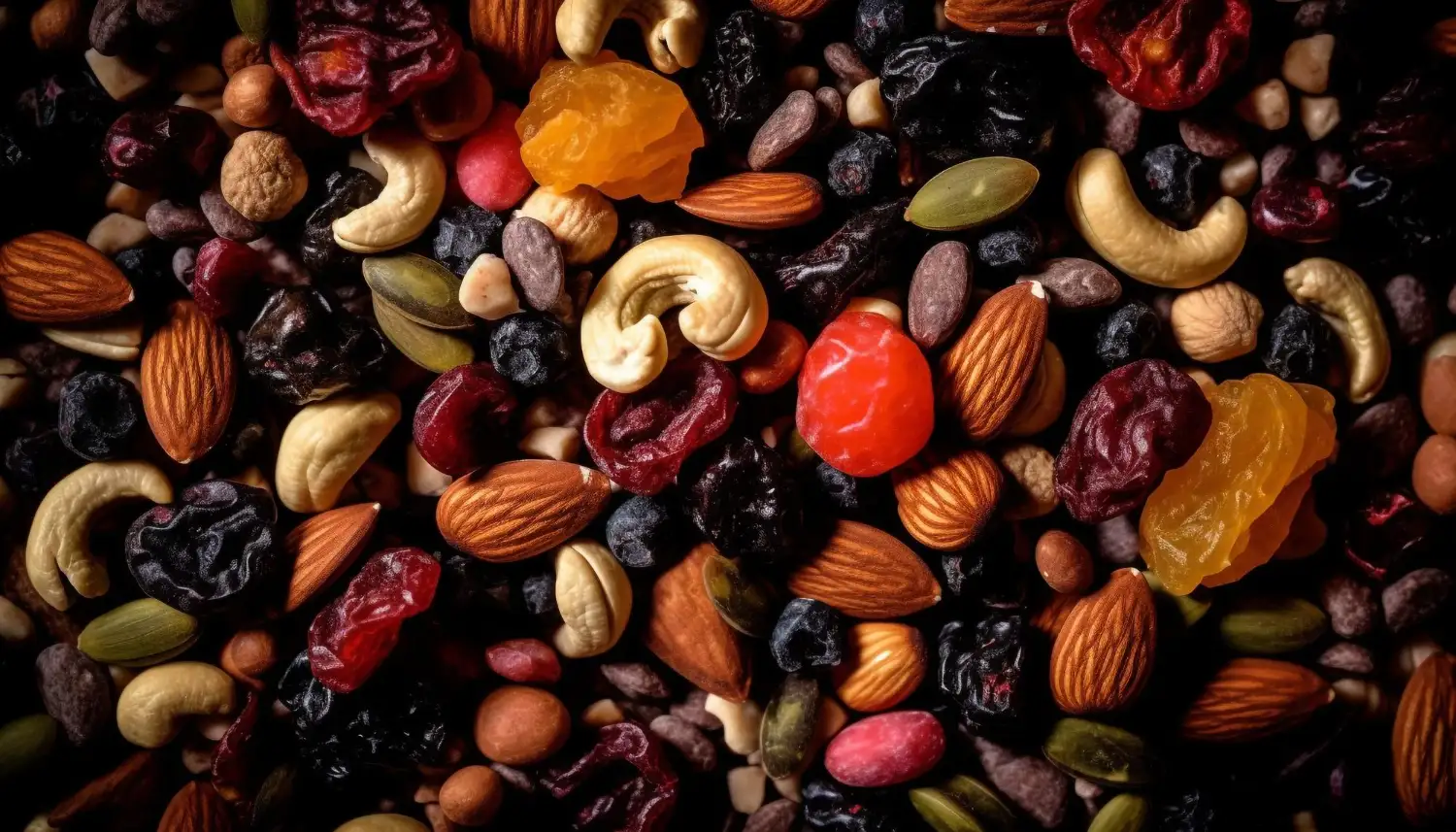
1. Oats for Better Cholesterol Control
Oats are one of the best foods for heart health as they are rich in soluble fibre called beta-glucan. This fibre helps reduce bad LDL cholesterol levels, which can lower the risk of artery blockage. Starting your day with a bowl of oats topped with fruits and nuts can be a nutritious choice.
2. Fatty Fish for Omega-3 Benefits
Fatty fish like salmon, sardines and mackerel are packed with omega-3 fatty acids, which are known to support heart health. These healthy fats may help reduce inflammation, lower triglyceride levels and maintain a steady heartbeat. Including fish in your diet a few times a week can benefit cardiovascular function.
3. Nuts for Healthy Fats
Almonds, walnuts and pistachios are loaded with heart-friendly fats, fibre and antioxidants. Walnuts, in particular, contain omega-3 fatty acids that support healthy cholesterol levels. A small handful of unsalted nuts as a snack can help provide essential nutrients for your heart.
4. Leafy Green Vegetables for Essential Nutrients
Vegetables like spinach, kale and fenugreek leaves are rich in vitamins, minerals and antioxidants. They contain nitrates that may help improve blood vessel function and support healthy blood pressure. Adding leafy greens to salads, soups or everyday meals can boost heart health.
5. Berries for Antioxidant Protection
Berries such as blueberries, strawberries and raspberries are packed with antioxidants and plant compounds that help fight oxidative stress. Their fibre content also supports healthy cholesterol levels. Adding fresh or frozen berries to smoothies, yoghurt or breakfast bowls can be a delicious heart-friendly option.
6. Whole Grains for Long-Term Heart Support
Whole grains like brown rice, quinoa, barley and whole wheat contain fibre and nutrients that refined grains often lack. They help maintain healthy blood sugar levels and may reduce the risk of heart disease. Replacing white rice or refined flour products with whole grains can make meals healthier.
7. Avocados for Good Fats
Avocados are rich in monounsaturated fats, which can help maintain healthy cholesterol levels when consumed as part of a balanced diet. They also provide potassium, a mineral that supports healthy blood pressure. Adding avocado to salads, sandwiches or toast can make meals both nutritious and satisfying.
8. Beans and Lentils for Plant-Based Protein
Beans, lentils and chickpeas are excellent sources of plant-based protein, fibre and minerals. They can help control cholesterol and support healthy blood circulation. Including dal, rajma, chana and other legumes in regular meals is a heart-friendly habit.
9. Olive Oil for Healthy Cooking
Replacing unhealthy fats with extra virgin olive oil can support heart health. It contains antioxidants and healthy fats that may help reduce inflammation and improve cholesterol levels. Using it in salads or light cooking can be a healthier alternative to saturated fats.
10. Dark Chocolate in Moderation
Dark chocolate with high cocoa content contains flavonoids, which are antioxidants that may support heart health. However, it should be consumed in moderation as many chocolate products contain added sugar and calories. Choosing dark chocolate with less sugar can make it a better option.
A heart-healthy diet does not require major changes but small, consistent choices. Including fibre-rich grains, fresh fruits, vegetables, nuts, healthy fats and lean proteins can help keep your heart strong. Along with regular exercise and a healthy lifestyle, these foods can support better cardiovascular health for years to come.
1. Oats for Better Cholesterol Control
Oats are one of the best foods for heart health as they are rich in soluble fibre called beta-glucan. This fibre helps reduce bad LDL cholesterol levels, which can lower the risk of artery blockage. Starting your day with a bowl of oats topped with fruits and nuts can be a nutritious choice. 2. Fatty Fish for Omega-3 Benefits
Fatty fish like salmon, sardines and mackerel are packed with omega-3 fatty acids, which are known to support heart health. These healthy fats may help reduce inflammation, lower triglyceride levels and maintain a steady heartbeat. Including fish in your diet a few times a week can benefit cardiovascular function.3. Nuts for Healthy Fats
Almonds, walnuts and pistachios are loaded with heart-friendly fats, fibre and antioxidants. Walnuts, in particular, contain omega-3 fatty acids that support healthy cholesterol levels. A small handful of unsalted nuts as a snack can help provide essential nutrients for your heart. 4. Leafy Green Vegetables for Essential Nutrients
Vegetables like spinach, kale and fenugreek leaves are rich in vitamins, minerals and antioxidants. They contain nitrates that may help improve blood vessel function and support healthy blood pressure. Adding leafy greens to salads, soups or everyday meals can boost heart health.You may also like
- Bathroom vs. Washroom vs. Restroom: What's the difference between these commonly used terms
- Newborn Weight Loss: Why It May Happen and What New Parents Should Know
- Effective Discipline Strategies for Raising Well-Behaved Children
- Essential Health Tips for Keeping Children Safe During Seasonal Changes
- Quote of the day by Sadhguru: "Travel means you want to face unfamiliar situations. It is about breaking out of known, settled atmospheres. So travel should be…”
5. Berries for Antioxidant Protection
Berries such as blueberries, strawberries and raspberries are packed with antioxidants and plant compounds that help fight oxidative stress. Their fibre content also supports healthy cholesterol levels. Adding fresh or frozen berries to smoothies, yoghurt or breakfast bowls can be a delicious heart-friendly option. 6. Whole Grains for Long-Term Heart Support
Whole grains like brown rice, quinoa, barley and whole wheat contain fibre and nutrients that refined grains often lack. They help maintain healthy blood sugar levels and may reduce the risk of heart disease. Replacing white rice or refined flour products with whole grains can make meals healthier. 7. Avocados for Good Fats
Avocados are rich in monounsaturated fats, which can help maintain healthy cholesterol levels when consumed as part of a balanced diet. They also provide potassium, a mineral that supports healthy blood pressure. Adding avocado to salads, sandwiches or toast can make meals both nutritious and satisfying. 8. Beans and Lentils for Plant-Based Protein
Beans, lentils and chickpeas are excellent sources of plant-based protein, fibre and minerals. They can help control cholesterol and support healthy blood circulation. Including dal, rajma, chana and other legumes in regular meals is a heart-friendly habit.9. Olive Oil for Healthy Cooking
Replacing unhealthy fats with extra virgin olive oil can support heart health. It contains antioxidants and healthy fats that may help reduce inflammation and improve cholesterol levels. Using it in salads or light cooking can be a healthier alternative to saturated fats. 10. Dark Chocolate in Moderation
Dark chocolate with high cocoa content contains flavonoids, which are antioxidants that may support heart health. However, it should be consumed in moderation as many chocolate products contain added sugar and calories. Choosing dark chocolate with less sugar can make it a better option. A heart-healthy diet does not require major changes but small, consistent choices. Including fibre-rich grains, fresh fruits, vegetables, nuts, healthy fats and lean proteins can help keep your heart strong. Along with regular exercise and a healthy lifestyle, these foods can support better cardiovascular health for years to come.






Loving Newspoint? Download the app now
