
How Do Giraffes Survive Storms? The Smart Survival Tricks of the World's Tallest Animal

How do giraffes survive storms ? It is a question that often comes to mind after watching viral videos of these towering animals standing calmly in heavy rain and strong winds. Unlike many wild animals that can hide under dense trees or take cover in caves, giraffes rarely have that option. Their extraordinary height and the wide-open African savanna leave them with very little natural shelter. Instead of running from bad weather, giraffes rely on remarkable physical adaptations, clever survival instincts and the safety of their herd to ride out storms.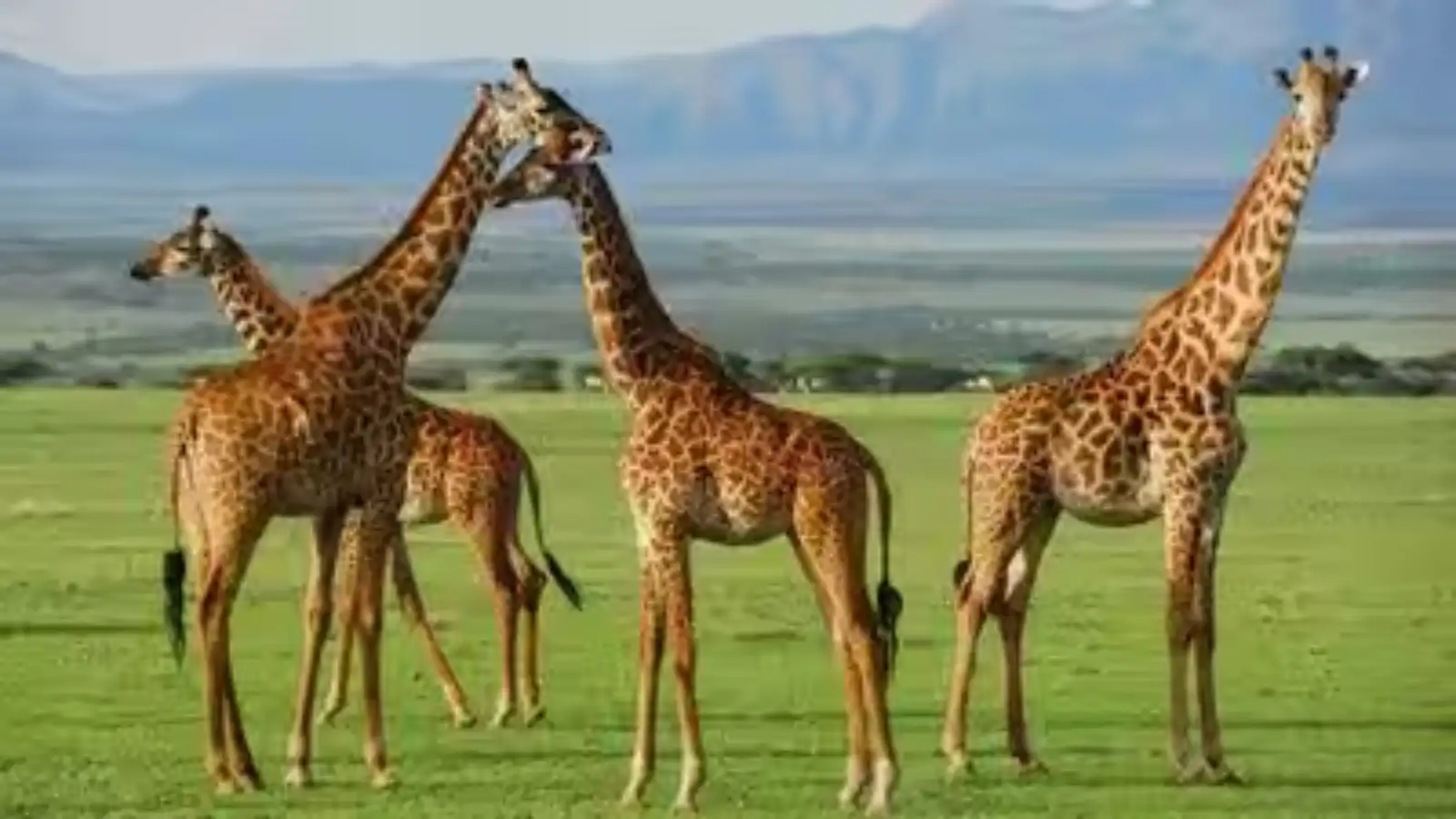
Why Giraffes Cannot Hide During Storms
Giraffes are the tallest land animals on Earth, with some adults growing up to 18 feet tall. They spend most of their lives in vast grasslands and savannas, where dense forests and natural shelters are scarce.
Even if they move close to trees, much of their body remains exposed to rain and wind. Unlike smaller mammals that can squeeze into burrows or seek protection beneath thick vegetation, giraffes simply do not have many places to hide. As a result, they have evolved to cope with storms rather than escape them.
Why Standing Still Is Their Best Survival Strategy
Watching a giraffe remain motionless during a storm may appear unusual, but it is actually a well-developed survival tactic.
Instead of wasting energy running across slippery ground, giraffes often stay where they are and wait for the weather to improve. Wet soil can become dangerous for such large animals, increasing the chances of slipping or falling. Because of their massive size and long legs, recovering from a fall can be difficult and may even leave them vulnerable to predators.
By standing calmly, giraffes reduce unnecessary risks and maintain better balance until conditions become safer.
Their Body Is Built to Handle Harsh Weather
Although storms may look dramatic, giraffes are naturally equipped to deal with rain.
Their thick skin and short coat help shed water efficiently, while their large body mass allows them to tolerate cool, wet weather better than many smaller animals. Heavy rainfall may be uncomfortable, but it rarely poses a serious threat on its own.
Another important advantage lies in their body structure. A giraffe's long neck shifts its centre of gravity towards the front of its body. During strong winds, they often widen their stance and lean slightly forward, helping them remain steady against powerful gusts.
Why Wind Is More Challenging Than Rain
For giraffes, strong winds can create greater difficulty than rainfall itself.
Open landscapes provide little protection from powerful gusts, making balance more challenging. To reduce the impact of wind, giraffes may slowly move towards taller vegetation, bushes or lower-lying areas where conditions are slightly calmer.
In some situations, standing near taller trees may also lower their exposure by ensuring another object becomes the highest point in the immediate surroundings.
Do Giraffes Face the Risk of Lightning?
Because of their exceptional height, giraffes are believed to have a greater chance of being struck by lightning than shorter animals. However, confirmed lightning deaths among giraffes remain uncommon.
While the possibility exists, lightning is not considered the biggest everyday danger during storms. More immediate concerns include maintaining stability, avoiding injuries and remaining alert to predators once the weather clears.
Why Staying With the Herd Matters
Storms do not change the social nature of giraffes.
Rather than separating, giraffes usually remain close to their herd throughout bad weather. Staying together helps them keep watch for predators such as lions, which may still pose a threat despite the rain.
A lone giraffe is generally more vulnerable than one protected by the collective awareness of the group. This teamwork improves their chances of staying safe until the storm passes.
Not Every Storm Gets the Same Response
Giraffes do not react identically to every weather event.
A light shower may barely interrupt their normal routine, while severe storms can encourage them to move towards safer ground or areas with slightly better protection from the wind. Their behaviour changes depending on the intensity of the weather, allowing them to adapt without unnecessary effort.
This flexibility has helped giraffes thrive in challenging environments where shelter is naturally limited.
Why Viral Videos of Giraffes in Storms Fascinate People
Images of giraffes standing tall in heavy rain often spread rapidly online because they appear unusually exposed. To human eyes, it may seem as though these animals have nowhere to go.
In reality, this calm behaviour reflects millions of years of evolution. Rather than panicking, giraffes rely on their physical adaptations, balance and patience to survive weather conditions that are simply part of everyday life in the African savanna.
Giraffes cannot escape storms by taking shelter like many other animals. Their towering height and open habitat leave them with few places to hide, so they depend on their natural adaptations instead.
By standing still, conserving energy, maintaining balance, using their weather-resistant bodies and staying close to their herd, giraffes have developed an effective strategy for surviving rain and strong winds. What may appear to be a risky situation is actually a remarkable example of nature's ability to adapt, proving that sometimes the safest response to a storm is simply to stand tall and wait for it to pass.
Why Giraffes Cannot Hide During Storms
Giraffes are the tallest land animals on Earth, with some adults growing up to 18 feet tall. They spend most of their lives in vast grasslands and savannas, where dense forests and natural shelters are scarce.
Even if they move close to trees, much of their body remains exposed to rain and wind. Unlike smaller mammals that can squeeze into burrows or seek protection beneath thick vegetation, giraffes simply do not have many places to hide. As a result, they have evolved to cope with storms rather than escape them.
Why Standing Still Is Their Best Survival Strategy
Watching a giraffe remain motionless during a storm may appear unusual, but it is actually a well-developed survival tactic.
Instead of wasting energy running across slippery ground, giraffes often stay where they are and wait for the weather to improve. Wet soil can become dangerous for such large animals, increasing the chances of slipping or falling. Because of their massive size and long legs, recovering from a fall can be difficult and may even leave them vulnerable to predators.
By standing calmly, giraffes reduce unnecessary risks and maintain better balance until conditions become safer.
Their Body Is Built to Handle Harsh Weather
Although storms may look dramatic, giraffes are naturally equipped to deal with rain.
Their thick skin and short coat help shed water efficiently, while their large body mass allows them to tolerate cool, wet weather better than many smaller animals. Heavy rainfall may be uncomfortable, but it rarely poses a serious threat on its own.
Another important advantage lies in their body structure. A giraffe's long neck shifts its centre of gravity towards the front of its body. During strong winds, they often widen their stance and lean slightly forward, helping them remain steady against powerful gusts.
Why Wind Is More Challenging Than Rain
For giraffes, strong winds can create greater difficulty than rainfall itself.
Open landscapes provide little protection from powerful gusts, making balance more challenging. To reduce the impact of wind, giraffes may slowly move towards taller vegetation, bushes or lower-lying areas where conditions are slightly calmer.
In some situations, standing near taller trees may also lower their exposure by ensuring another object becomes the highest point in the immediate surroundings.
Do Giraffes Face the Risk of Lightning?
Because of their exceptional height, giraffes are believed to have a greater chance of being struck by lightning than shorter animals. However, confirmed lightning deaths among giraffes remain uncommon.
While the possibility exists, lightning is not considered the biggest everyday danger during storms. More immediate concerns include maintaining stability, avoiding injuries and remaining alert to predators once the weather clears.
You may also like
- Culture-led travel takes centre stage as 67% Indians plan holidays around heritage, festivals and food; reveals report
- Cinnamon and fenugreek tea can be beneficial in PCOD, learn the benefits and the right way to drink it.
- IRDAI Proposes Tougher Rules for Insurance Agents to Boost Transparency and Protect Policyholders
- Ajinkya Rahane's father let him travel alone on a Mumbai local at just 7; years later, what his father told him is a masterclass in raising independent children
- These 20th-century jobs are redundant now, and we should be thankful!
Why Staying With the Herd Matters
Storms do not change the social nature of giraffes.
Rather than separating, giraffes usually remain close to their herd throughout bad weather. Staying together helps them keep watch for predators such as lions, which may still pose a threat despite the rain.
A lone giraffe is generally more vulnerable than one protected by the collective awareness of the group. This teamwork improves their chances of staying safe until the storm passes.
Not Every Storm Gets the Same Response
Giraffes do not react identically to every weather event.
A light shower may barely interrupt their normal routine, while severe storms can encourage them to move towards safer ground or areas with slightly better protection from the wind. Their behaviour changes depending on the intensity of the weather, allowing them to adapt without unnecessary effort.
This flexibility has helped giraffes thrive in challenging environments where shelter is naturally limited.
Why Viral Videos of Giraffes in Storms Fascinate People
Images of giraffes standing tall in heavy rain often spread rapidly online because they appear unusually exposed. To human eyes, it may seem as though these animals have nowhere to go.
In reality, this calm behaviour reflects millions of years of evolution. Rather than panicking, giraffes rely on their physical adaptations, balance and patience to survive weather conditions that are simply part of everyday life in the African savanna.
Giraffes cannot escape storms by taking shelter like many other animals. Their towering height and open habitat leave them with few places to hide, so they depend on their natural adaptations instead.
By standing still, conserving energy, maintaining balance, using their weather-resistant bodies and staying close to their herd, giraffes have developed an effective strategy for surviving rain and strong winds. What may appear to be a risky situation is actually a remarkable example of nature's ability to adapt, proving that sometimes the safest response to a storm is simply to stand tall and wait for it to pass.






Loving Newspoint? Download the app now
