
How Giant Tortoises Help Shape Island Ecosystems and Support Wildlife

Giant tortoises are among the most recognisable animals found on remote islands, but their importance extends far beyond their impressive size and long lifespans. These slow-moving reptiles influence vegetation, spread seeds, recycle nutrients and create opportunities for other species to thrive. On islands such as the Galápagos and Aldabra, their feeding habits and movements have helped shape natural habitats over thousands of years. Because island ecosystems often contain plants and animals found nowhere else, even small changes in the tortoise population can have wider ecological effects. Understanding their role reveals why protecting giant tortoises is important for maintaining biodiversity and restoring damaged island environments.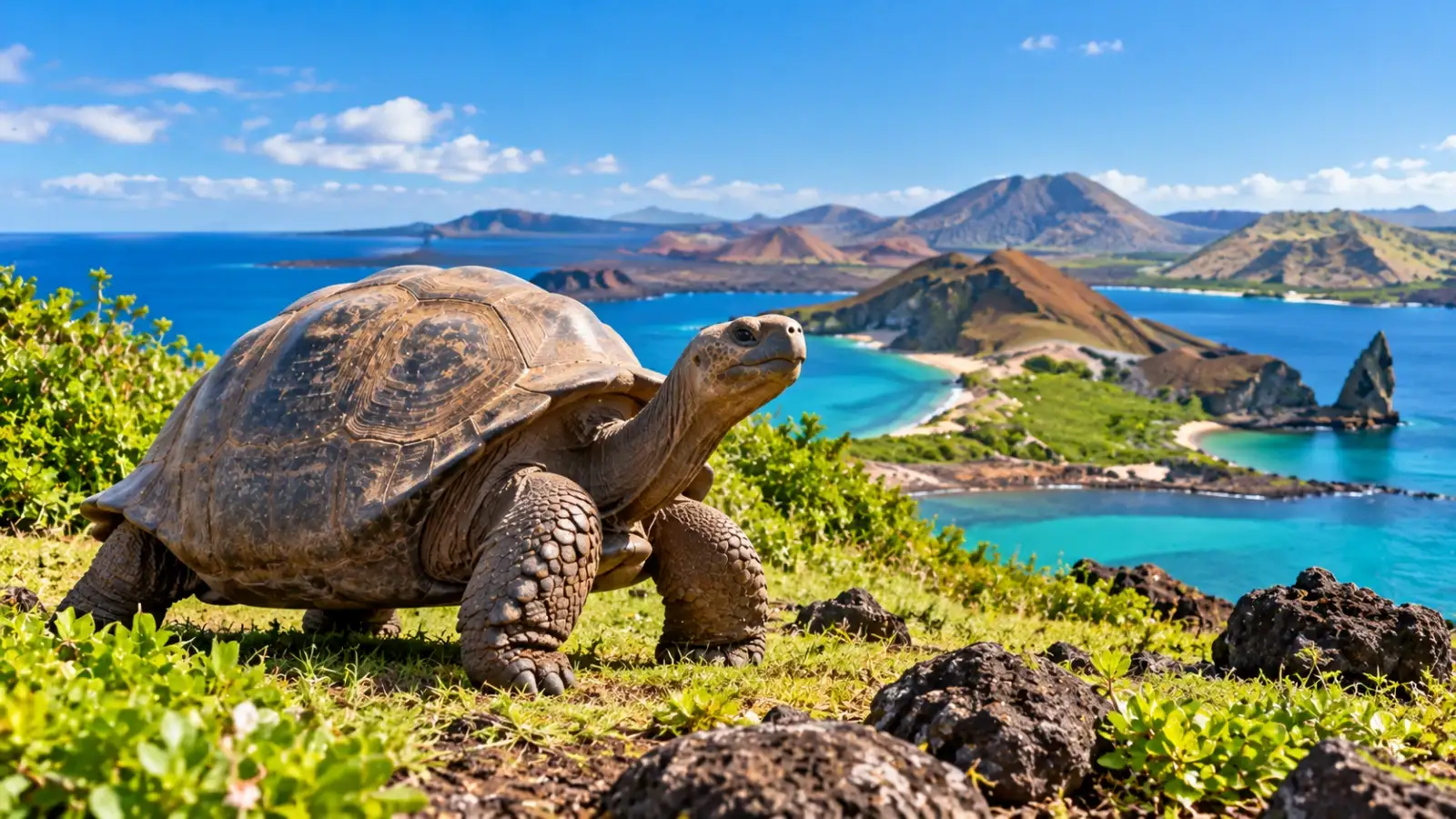
This process can help plants spread beyond the area where their seeds originally fell. The nutrients in the droppings may also support seedling growth, although successful germination depends on the plant species and local conditions.
On islands where plants rely on animals to move their seeds, tortoises can contribute to the regeneration of vegetation and the maintenance of diverse plant communities.
By eating certain plants and trimming vegetation, tortoises may prevent some species from becoming overly dominant. This can create space for other plants to grow and alter the structure of the habitat.
However, the effects depend on the number of tortoises, the plant species present and the condition of the ecosystem. Heavy grazing in a sensitive area can damage vegetation, while grazing at natural levels can help maintain a varied landscape.
These changes can benefit other animals by improving access to food, creating open ground or making movement through vegetation easier. In some environments, tortoises also use shallow depressions or sheltered areas that can influence how water collects locally.
Their ecological influence is not always obvious. A trail made by a large tortoise may appear insignificant, but repeated movement by many animals over time can contribute to changes in the surrounding habitat.
These nutrients can become available to soil organisms and plants as the waste decomposes. This process supports natural nutrient cycling, which is particularly important in environments where soils may be shallow or nutrient availability is limited.
Tortoises also move organic matter between different parts of an island as they travel. The extent of this effect depends on their population density, diet and habitat.
On islands, these relationships can be especially important because habitats are often isolated and contain species that have evolved together over long periods.
When tortoise populations decline sharply, some of these ecological processes may weaken or change. The consequences vary between islands, but losing an important herbivore can affect more than just the species itself.
For example, conservation work in the Galápagos has included efforts to restore tortoise populations and protect their habitats. Aldabra Atoll in Seychelles is another important stronghold for giant tortoises, where their presence is closely connected with the functioning of the island's natural environment.
Reintroduction requires careful planning. Scientists must consider habitat suitability, disease risks, food availability and the potential effects on existing wildlife before moving animals into an area.
Protecting tortoises therefore involves more than preventing direct harm to individual animals. Conservation measures often include restoring native vegetation, controlling invasive species, safeguarding nesting areas and monitoring populations.
Healthy tortoise populations can help maintain the ecological relationships on which other island species depend. Their protection is one part of a broader effort to preserve the unique biodiversity of isolated environments.
Giant tortoises help shape island ecosystems through seed dispersal, grazing, nutrient recycling and their influence on vegetation. Their activities can create opportunities for other species and support natural processes that keep habitats functioning. However, their effects depend on local conditions and population levels, making careful conservation essential. By protecting giant tortoises and restoring their habitats, conservationists can help preserve not only these remarkable reptiles but also the wider island environments in which they play an important role.
1. They Help Spread Seeds Across Islands
One of the most important ways giant tortoises influence island ecosystems is through seed dispersal . As they travel in search of food, they consume fruits and other plant material. Some seeds pass through their digestive systems and are deposited elsewhere in their droppings.This process can help plants spread beyond the area where their seeds originally fell. The nutrients in the droppings may also support seedling growth, although successful germination depends on the plant species and local conditions.
On islands where plants rely on animals to move their seeds, tortoises can contribute to the regeneration of vegetation and the maintenance of diverse plant communities.
2. Their Grazing Shapes Plant Growth
Giant tortoises feed on grasses, leaves, flowers, fruits and other vegetation, depending on the species and what is available. Their grazing can influence which plants grow most successfully in particular areas.By eating certain plants and trimming vegetation, tortoises may prevent some species from becoming overly dominant. This can create space for other plants to grow and alter the structure of the habitat.
However, the effects depend on the number of tortoises, the plant species present and the condition of the ecosystem. Heavy grazing in a sensitive area can damage vegetation, while grazing at natural levels can help maintain a varied landscape.
3. They Create Small Habitats for Other Species
The movements and daily activities of giant tortoises can change the physical environment around them. Their paths may create openings through dense vegetation, while their grazing can produce patches of shorter plants.These changes can benefit other animals by improving access to food, creating open ground or making movement through vegetation easier. In some environments, tortoises also use shallow depressions or sheltered areas that can influence how water collects locally.
Their ecological influence is not always obvious. A trail made by a large tortoise may appear insignificant, but repeated movement by many animals over time can contribute to changes in the surrounding habitat.
4. They Recycle Nutrients Into the Soil
Like other animals, giant tortoises return nutrients to the environment through their waste. Their droppings contain material from the plants they consume, helping move nutrients through the ecosystem.These nutrients can become available to soil organisms and plants as the waste decomposes. This process supports natural nutrient cycling, which is particularly important in environments where soils may be shallow or nutrient availability is limited.
Tortoises also move organic matter between different parts of an island as they travel. The extent of this effect depends on their population density, diet and habitat.
5. They Help Maintain Ecological Balance
Giant tortoises are part of a wider network of relationships between plants, animals and their physical surroundings. Their feeding, movement and seed-dispersal activities can influence vegetation patterns, which may affect the food and shelter available to other species.You may also like
- Echoes of Muziris book launch celebrates young author Saanvi Shabeesh, highlighting her journey from a school story to a published novel
- 'Quick tasks' before clock-out? Employee says the boss keeps extending workdays without overtime pay, sparking debates over burnout, boundaries and the pressure to always say yes
- Paytm AU Bank Credit Card: Get this new card with zero fees and enjoy significant savings on UPI payments..
- The wait for the 24th installment is over! Find out which farmers will have ₹2,000 transferred into their accounts this week..
- The Significance of Sixteen Adornments on Karva Chauth: A Blend of Beauty and Tradition
On islands, these relationships can be especially important because habitats are often isolated and contain species that have evolved together over long periods.
When tortoise populations decline sharply, some of these ecological processes may weaken or change. The consequences vary between islands, but losing an important herbivore can affect more than just the species itself.
6. They Can Support Island Restoration Projects
Conservation programmes sometimes use giant tortoises to help restore ecosystems where native populations have disappeared or become severely reduced. Their grazing and seed-dispersal activities can help recreate ecological processes that were disrupted by hunting, habitat loss or introduced animals.For example, conservation work in the Galápagos has included efforts to restore tortoise populations and protect their habitats. Aldabra Atoll in Seychelles is another important stronghold for giant tortoises, where their presence is closely connected with the functioning of the island's natural environment.
Reintroduction requires careful planning. Scientists must consider habitat suitability, disease risks, food availability and the potential effects on existing wildlife before moving animals into an area.
7. Protecting Giant Tortoises Protects More Than One Species
Giant tortoises face threats that include habitat destruction, invasive species, introduced predators and the effects of human activity. Climate change can also alter rainfall patterns and food availability in some island habitats.Protecting tortoises therefore involves more than preventing direct harm to individual animals. Conservation measures often include restoring native vegetation, controlling invasive species, safeguarding nesting areas and monitoring populations.
Healthy tortoise populations can help maintain the ecological relationships on which other island species depend. Their protection is one part of a broader effort to preserve the unique biodiversity of isolated environments.
Giant tortoises help shape island ecosystems through seed dispersal, grazing, nutrient recycling and their influence on vegetation. Their activities can create opportunities for other species and support natural processes that keep habitats functioning. However, their effects depend on local conditions and population levels, making careful conservation essential. By protecting giant tortoises and restoring their habitats, conservationists can help preserve not only these remarkable reptiles but also the wider island environments in which they play an important role.






Loving Newspoint? Download the app now
