
How Much Should We Feed Our Dog? A Complete Age and Weight-Based Feeding Guide

How much should we feed our dog is one of the most common questions pet owners ask. Giving your dog the right amount of food is essential for maintaining a healthy weight, supporting digestion, and ensuring overall well-being. While feeding requirements vary from one dog to another, factors such as age, weight, activity level, and health condition play a major role in determining the ideal portion size. Understanding these factors can help you create a balanced feeding routine that keeps your furry companion healthy and happy.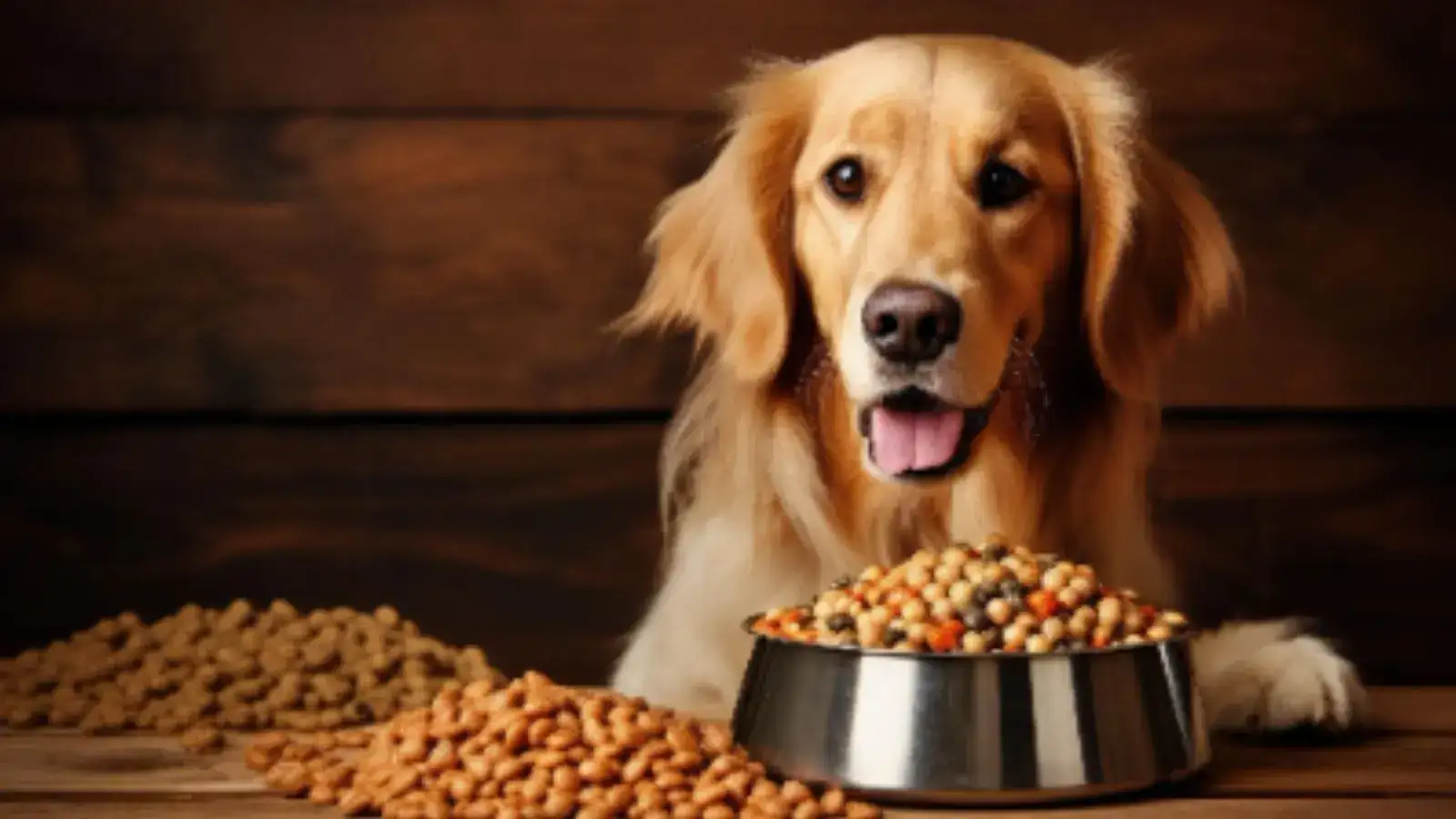
Why Portion Size Matters for Dogs
Many dog owners unknowingly feed too much or too little. Both overfeeding and underfeeding can lead to health issues over time.
Proper portion control helps:
Feeding the correct amount is just as important as choosing high-quality dog food.
Dog Feeding Guide by Age
Puppy Feeding: More Energy for Rapid Growth
Puppies require more calories and nutrients because they grow quickly during the first year of life.
Recommended feeding routine:
Since puppies burn a lot of energy, they typically need more food relative to their body weight than adult dogs.
Adult Dog Feeding : Focus on Maintenance
Once a dog reaches adulthood, feeding should shift from supporting growth to maintaining health and fitness.
Recommended feeding routine:
Active adult dogs may require more calories, while less active dogs may need smaller portions.
Senior Dog Feeding : Smaller Portions for Better Health
As dogs age, their metabolism slows and their activity levels often decrease.
Recommended feeding routine:
Careful portion management becomes increasingly important during the senior years to prevent unnecessary weight gain.
Dog Feeding Chart Based on Weight
While every dog is different, the following guidelines can serve as a starting point:
Keep in mind that these are general estimates. The exact amount may vary depending on the food type, calorie content, and your dog's daily activity.
Factors That Affect How Much a Dog Should Eat
Two dogs of the same weight may have very different feeding requirements.
Signs Your Dog Is Getting the Right Amount of Food
A dog's condition and behaviour can reveal whether their feeding routine is appropriate.
Look for these positive signs:
If your dog begins gaining or losing weight unexpectedly, it may be time to adjust portion sizes.
Common Dog Feeding Mistakes to Avoid
Even small feeding mistakes can impact your pet's health over time.
Avoid these common errors:
Being mindful of these habits can help maintain your dog's long-term health.
Simple Tips for a Healthy Dog Feeding Routine
Creating a consistent feeding schedule can make a significant difference.
Follow these simple tips:
Consistency helps establish healthy eating habits and supports overall well-being.
Knowing how much to feed your dog goes beyond simply filling a bowl. The right portion depends on age, weight, activity level, and overall health. By understanding your dog's unique needs and adjusting meals accordingly, you can help them maintain a healthy weight, stay energetic, and enjoy a better quality of life. A balanced feeding routine is one of the simplest yet most effective ways to ensure your dog remains healthy and happy for years to come.
Why Portion Size Matters for Dogs
Many dog owners unknowingly feed too much or too little. Both overfeeding and underfeeding can lead to health issues over time.
Proper portion control helps:
- Maintain a healthy body weight
- Support better digestion
- Improve energy levels
- Reduce the risk of obesity-related health problems
- Promote overall wellness
Feeding the correct amount is just as important as choosing high-quality dog food.
Dog Feeding Guide by Age
Puppy Feeding: More Energy for Rapid Growth
Puppies require more calories and nutrients because they grow quickly during the first year of life.
Recommended feeding routine:
- Feed 3 to 4 small meals daily
- Choose nutrient-rich puppy food
- Serve smaller but more frequent portions
- Monitor growth and adjust portions as needed
Since puppies burn a lot of energy, they typically need more food relative to their body weight than adult dogs.
Adult Dog Feeding : Focus on Maintenance
Once a dog reaches adulthood, feeding should shift from supporting growth to maintaining health and fitness.
Recommended feeding routine:
- Feed 2 balanced meals per day
- Keep portion sizes consistent
- Adjust food quantity according to activity levels
- Monitor weight regularly
Active adult dogs may require more calories, while less active dogs may need smaller portions.
Senior Dog Feeding : Smaller Portions for Better Health
As dogs age, their metabolism slows and their activity levels often decrease.
Recommended feeding routine:
- Feed 1 to 2 smaller meals daily
- Reduce calorie intake if activity is low
- Prioritise easily digestible foods
- Monitor weight changes closely
Careful portion management becomes increasingly important during the senior years to prevent unnecessary weight gain.
Dog Feeding Chart Based on Weight
While every dog is different, the following guidelines can serve as a starting point:
- Small Dogs (Up to 10 kg)
- Approximately 1 to 1.5 cups of food per day
- Medium Dogs (10 to 25 kg)
- Approximately 1.5 to 3 cups of food per day
- Large Dogs (25 kg and Above)
- Approximately 3 to 5 cups of food per day
Keep in mind that these are general estimates. The exact amount may vary depending on the food type, calorie content, and your dog's daily activity.
Factors That Affect How Much a Dog Should Eat
Two dogs of the same weight may have very different feeding requirements.
Activity Level
Highly active dogs burn more calories and usually require larger portions than dogs with a sedentary lifestyle.Breed Characteristics
Some breeds naturally have faster metabolisms and higher energy requirements than others.Health Conditions
Medical issues can affect appetite, metabolism, and nutritional needs. Dogs with specific health concerns may require specialised feeding plans.Type of Food
Dry food and wet food contain different calorie levels. Always check the feeding recommendations provided by the manufacturer.Signs Your Dog Is Getting the Right Amount of Food
A dog's condition and behaviour can reveal whether their feeding routine is appropriate.
Look for these positive signs:
- Healthy and stable body weight
- Consistent energy levels
- Shiny, healthy coat
- Regular digestion and bowel movements
- Good appetite without excessive hunger
If your dog begins gaining or losing weight unexpectedly, it may be time to adjust portion sizes.
Common Dog Feeding Mistakes to Avoid
Even small feeding mistakes can impact your pet's health over time.
You may also like
- Solar Subsidy Worth ₹90,000 Won't Last Forever! Government's Countdown Begins for Rooftop Solar Scheme
- PF Withdrawal Before 5 Years? Here's When EPF Money Becomes Taxable and TDS May Apply
- Earning ₹1 Lakh a Month? Here's Why You May Already Be Among India's Top 2% Earners
- 7 Major Income Tax Reforms Introduced During PM Modi's 12-Year Tenure That Transformed Tax Filing
- Silver Prices Tumble by ₹10,000 per Kg on June 10; Check Latest Rates Across Major Cities
Avoid these common errors:
- Estimating portions without measuring
- Offering excessive treats throughout the day
- Ignoring feeding guidelines on pet food packaging
- Failing to adjust portions as your dog ages
- Feeding based solely on appetite rather than actual needs
Being mindful of these habits can help maintain your dog's long-term health.
Simple Tips for a Healthy Dog Feeding Routine
Creating a consistent feeding schedule can make a significant difference.
Follow these simple tips:
- Feed your dog at the same times each day
- Use a measuring cup for accurate portions
- Avoid leaving food available all day
- Ensure fresh, clean water is always accessible
- Monitor weight and body condition regularly
Consistency helps establish healthy eating habits and supports overall well-being.
Knowing how much to feed your dog goes beyond simply filling a bowl. The right portion depends on age, weight, activity level, and overall health. By understanding your dog's unique needs and adjusting meals accordingly, you can help them maintain a healthy weight, stay energetic, and enjoy a better quality of life. A balanced feeding routine is one of the simplest yet most effective ways to ensure your dog remains healthy and happy for years to come.






More from our partners


Loving Newspoint? Download the app now
