
Gardening Tips: Water Your Plants the Right Way With These Expert Tips

Keeping your plants healthy isn't just about watering them every day. In fact, giving too much water can be just as harmful as giving too little. The secret is to understand what your plants need instead of following a fixed schedule. Here's how to water your plants the right way.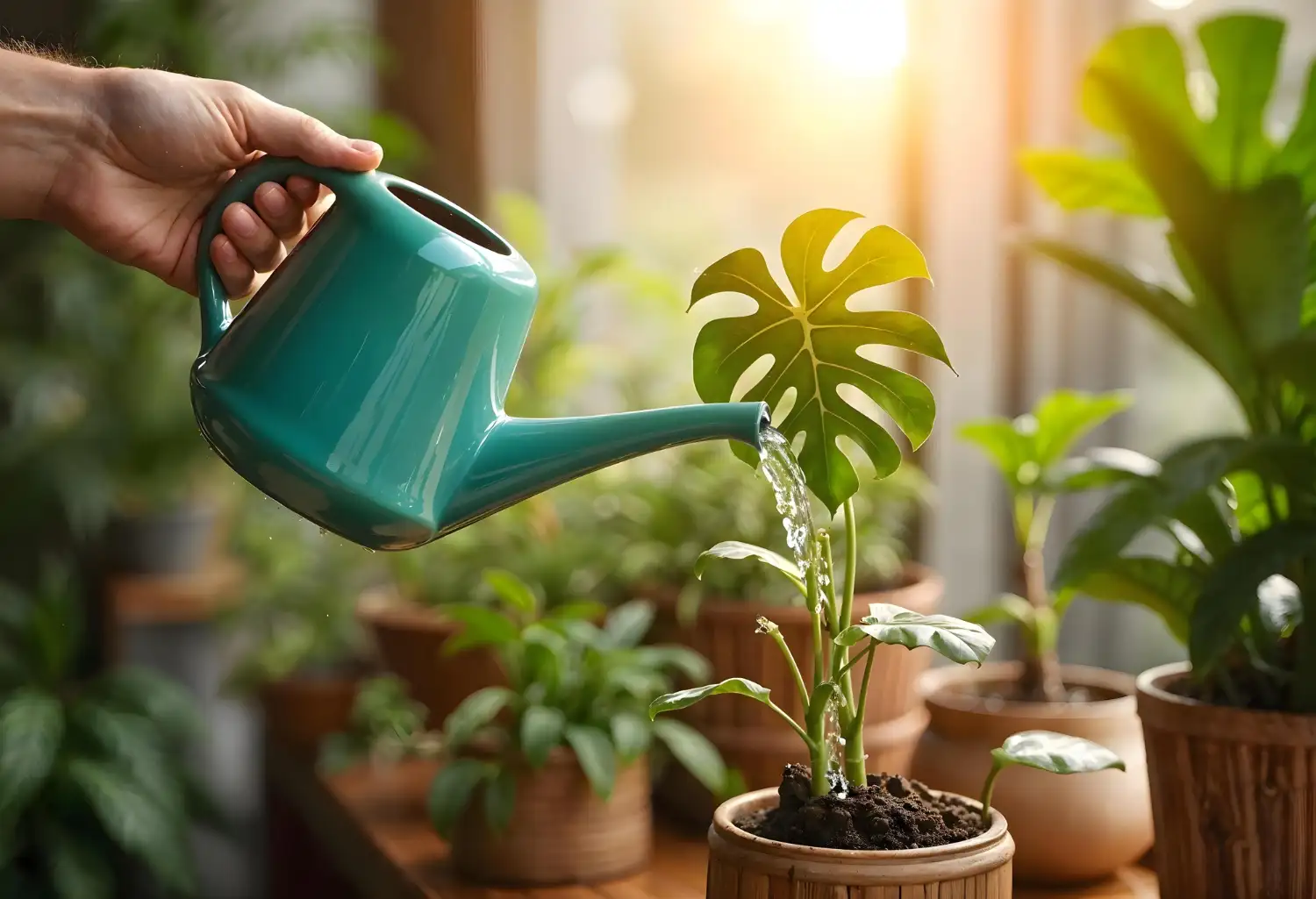
Don't Follow a Fixed Watering Routine
There is no universal rule for watering plants. The right amount of water depends on factors such as the plant variety, weather conditions, season, and whether the plant is growing in a pot or directly in the garden. Rather than sticking to a timetable, observe your plants regularly.
Check the Soil First
Before reaching for the watering can, test the soil. Push your finger about an inch into the soil. If it feels dry, your plant is ready for water. If it still feels damp, wait another day or two. This easy habit helps avoid overwatering, which can lead to root rot.
Morning Is the Best Time to Water
Watering your plants early in the morning is considered the best practice. It gives roots enough time to absorb moisture before the sun becomes too strong. It also allows leaves to dry quickly, reducing the chances of fungal infections.
Every Plant Has Different Water Needs
Not all plants drink the same amount of water. Succulents and cacti prefer dry soil and need watering less often. On the other hand, flowering plants, herbs, and leafy vegetables usually require more frequent watering. Plants grown in pots also dry out faster than those planted in the ground, especially during hot weather.
Learn to Spot the Warning Signs
Plants often show clear signs when they need attention. Wilting leaves, dry soil, slow growth, and crispy brown leaf edges usually mean the plant is thirsty. However, yellowing leaves, constantly wet soil, and a bad smell from the pot are common signs of overwatering.
Smart Watering Tips for Healthier Plants
Always water around the base of the plant instead of spraying the leaves, as this encourages stronger root growth. Choose pots with drainage holes to prevent excess water from collecting. During the rainy season, water only if the soil feels dry. For outdoor plants, adding a layer of mulch helps lock in moisture and keeps the soil from drying out too quickly.
Healthy plants don't need more water, they need the right amount at the right time. By checking the soil, understanding your plant's needs, and watering wisely, you can help your indoor and outdoor plants stay green, strong, and thriving throughout the year.
Don't Follow a Fixed Watering Routine
There is no universal rule for watering plants. The right amount of water depends on factors such as the plant variety, weather conditions, season, and whether the plant is growing in a pot or directly in the garden. Rather than sticking to a timetable, observe your plants regularly. Check the Soil First
Before reaching for the watering can, test the soil. Push your finger about an inch into the soil. If it feels dry, your plant is ready for water. If it still feels damp, wait another day or two. This easy habit helps avoid overwatering, which can lead to root rot.You may also like
- Psychology says people who keep returning to Goa, Himachal, Kerala or same destination are not boring; it has everything to do with the human brain
- Batwara 1947 Dialogues: Sunny Deol's Powerful Dialogues Wins Hearts
- Lack of Sleep Can Affect Children's Health: Here's How to Build a Better Sleep Routine
- Gen-Z Slang Goes Mainstream: What Do 'Clocked It', 'Delulu', 'FOMO', and 'MIA' Mean?
- Sawan 2026: Easy Homemade Sweets to Offer Lord Shiva
Morning Is the Best Time to Water
Watering your plants early in the morning is considered the best practice. It gives roots enough time to absorb moisture before the sun becomes too strong. It also allows leaves to dry quickly, reducing the chances of fungal infections. Every Plant Has Different Water Needs
Not all plants drink the same amount of water. Succulents and cacti prefer dry soil and need watering less often. On the other hand, flowering plants, herbs, and leafy vegetables usually require more frequent watering. Plants grown in pots also dry out faster than those planted in the ground, especially during hot weather.Learn to Spot the Warning Signs
Plants often show clear signs when they need attention. Wilting leaves, dry soil, slow growth, and crispy brown leaf edges usually mean the plant is thirsty. However, yellowing leaves, constantly wet soil, and a bad smell from the pot are common signs of overwatering. Smart Watering Tips for Healthier Plants
Always water around the base of the plant instead of spraying the leaves, as this encourages stronger root growth. Choose pots with drainage holes to prevent excess water from collecting. During the rainy season, water only if the soil feels dry. For outdoor plants, adding a layer of mulch helps lock in moisture and keeps the soil from drying out too quickly. Healthy plants don't need more water, they need the right amount at the right time. By checking the soil, understanding your plant's needs, and watering wisely, you can help your indoor and outdoor plants stay green, strong, and thriving throughout the year.






Loving Newspoint? Download the app now
