
How To Build A Safe Balance Routine With Heel-To-Toe Stance And Sit-To-Stand

Balance is involved in everyday activities such as turning, stepping over obstacles and getting up from a chair. Practising movements in a safe setting may help people become more familiar with controlling their body position.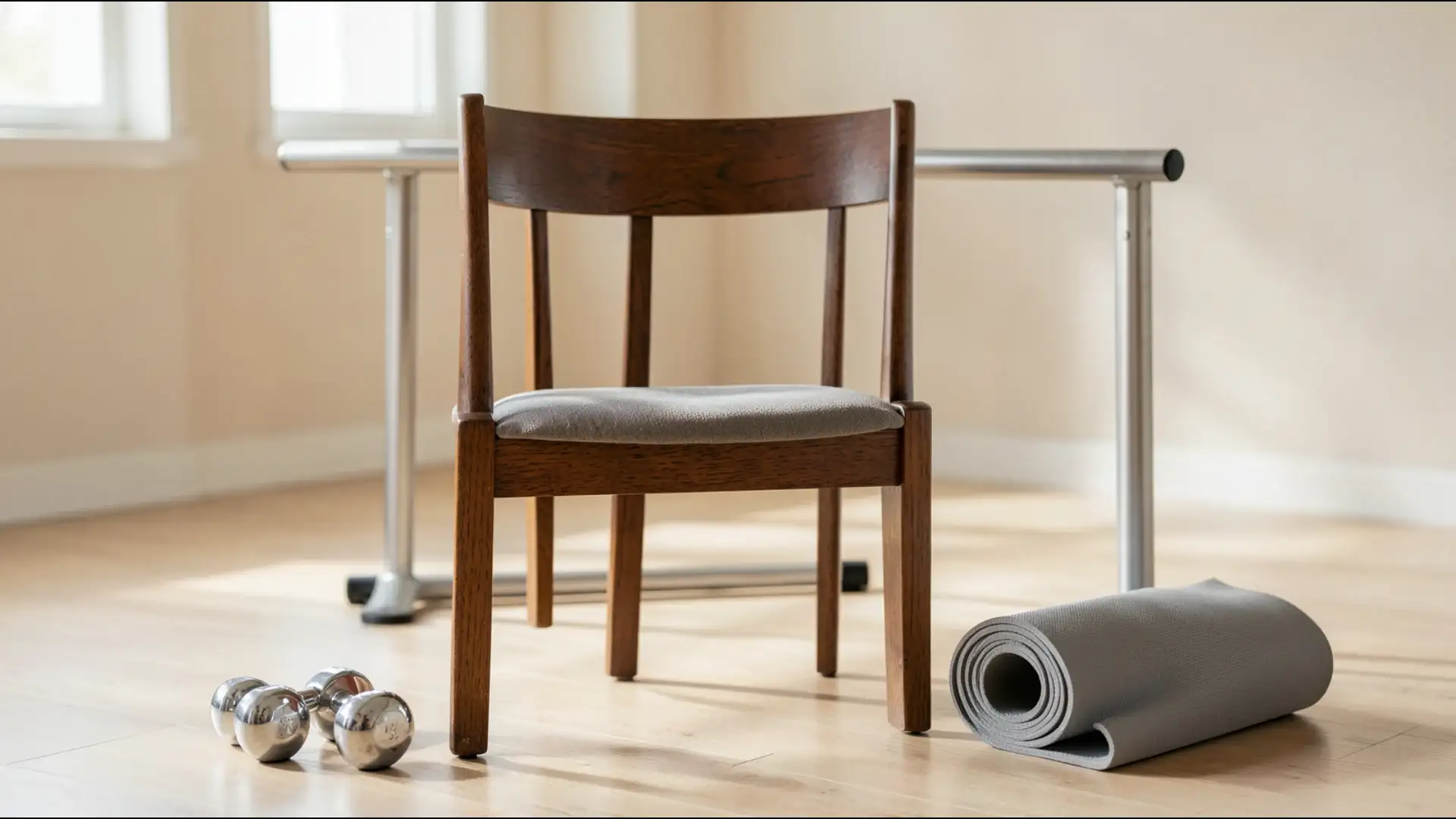
Exercises should match an individual's ability, especially for older adults or anyone who has experienced dizziness or a fall. A sturdy support nearby can make practice more manageable, while rushing or attempting difficult movements alone can increase risk without proper supervision.
A modest routine built around steady, controlled actions is a practical starting point, not a substitute for personalised medical or physiotherapy guidance when needed.
Begin supported balance practice with a comfortable stance, feet about hip-width apart. Hold the support lightly and shift your weight from one foot to the other without leaning excessively. Keep the movement small and controlled. Stop if you feel dizzy, breathless or unusually uncomfortable.
A slow sit-to-stand exercise from a firm chair is another option. Place feet flat, lean forward slightly and rise at a comfortable pace. Use the armrests or a support if needed. Sit down slowly rather than dropping into the seat. Repeating a few controlled movements is more useful than rushing through many repetitions.
Safety during balance training depends on gradual progression. If a movement feels difficult, return to an easier version or use more support. People with a history of falls, persistent dizziness, significant joint pain or conditions affecting movement should ask a healthcare professional or physiotherapist for individual guidance before starting.
Simple balance exercises may help build confidence in everyday movement, but they are not a guarantee against falls.
Exercises should match an individual's ability, especially for older adults or anyone who has experienced dizziness or a fall. A sturdy support nearby can make practice more manageable, while rushing or attempting difficult movements alone can increase risk without proper supervision.
A modest routine built around steady, controlled actions is a practical starting point, not a substitute for personalised medical or physiotherapy guidance when needed.
Prepare a safe space
For balance exercises for older adults , choose a clear area with good lighting and a sturdy chair or kitchen counter within reach. Wear stable footwear and avoid loose rugs, clutter or slippery floors. If you feel unsteady, practise with another person nearby rather than alone.Begin supported balance practice with a comfortable stance, feet about hip-width apart. Hold the support lightly and shift your weight from one foot to the other without leaning excessively. Keep the movement small and controlled. Stop if you feel dizzy, breathless or unusually uncomfortable.
You may also like
- He delivered milk to support his family after his father died; at 28, Jammu wrestler Hamam Hussain turned 14 years of struggle into his first national gold
- Game-Changing Blood Test Breakthrough: How Tiny Blood Platelets Could Detect Parkinson's Early
- The Hidden Poisons in Your Festive Mithai and Red-Flag Symptoms You Cannot Ignore
- Of Anger, Protest and Change
- 5 Beautiful Flower Rangoli Designs To Decorate Your Home This Diwali 2026
Try simple movements
A supported heel-to-toe stance can be introduced by placing one foot slightly ahead of the other while holding the counter. As confidence improves, reduce the amount of hand support only if the position remains steady. Do not close your eyes or stand on unstable surfaces as a challenge.A slow sit-to-stand exercise from a firm chair is another option. Place feet flat, lean forward slightly and rise at a comfortable pace. Use the armrests or a support if needed. Sit down slowly rather than dropping into the seat. Repeating a few controlled movements is more useful than rushing through many repetitions.
Build a manageable routine
Practise for a short period several days a week, adjusting the duration to your ability. You can combine balance practice with ordinary activities, such as standing securely while waiting for the kettle, but avoid multitasking when the exercise requires concentration.Safety during balance training depends on gradual progression. If a movement feels difficult, return to an easier version or use more support. People with a history of falls, persistent dizziness, significant joint pain or conditions affecting movement should ask a healthcare professional or physiotherapist for individual guidance before starting.
Notice changes without overtesting
Balance can vary with fatigue, footwear, illness and the environment. If you experience new weakness, sudden dizziness or a concerning change in coordination, stop and seek appropriate medical advice.Simple balance exercises may help build confidence in everyday movement, but they are not a guarantee against falls.






Loving Newspoint? Download the app now
