
Worried About Fake Besan? Try These Simple Ways To Check Gram Flour Before Using It

Gram flour, commonly known as besan, is a staple ingredient in many kitchens and is widely used in snacks, sweets and everyday cooking. Its popularity also makes it vulnerable to adulteration, with inferior ingredients sometimes mixed in to reduce production costs. According to food safety experts, consumers can lower this risk by paying close attention to the product's appearance, texture and packaging before buying. While laboratory testing is the most reliable way to confirm purity, a few simple observations at home may help identify suspicious products and encourage more informed purchasing decisions.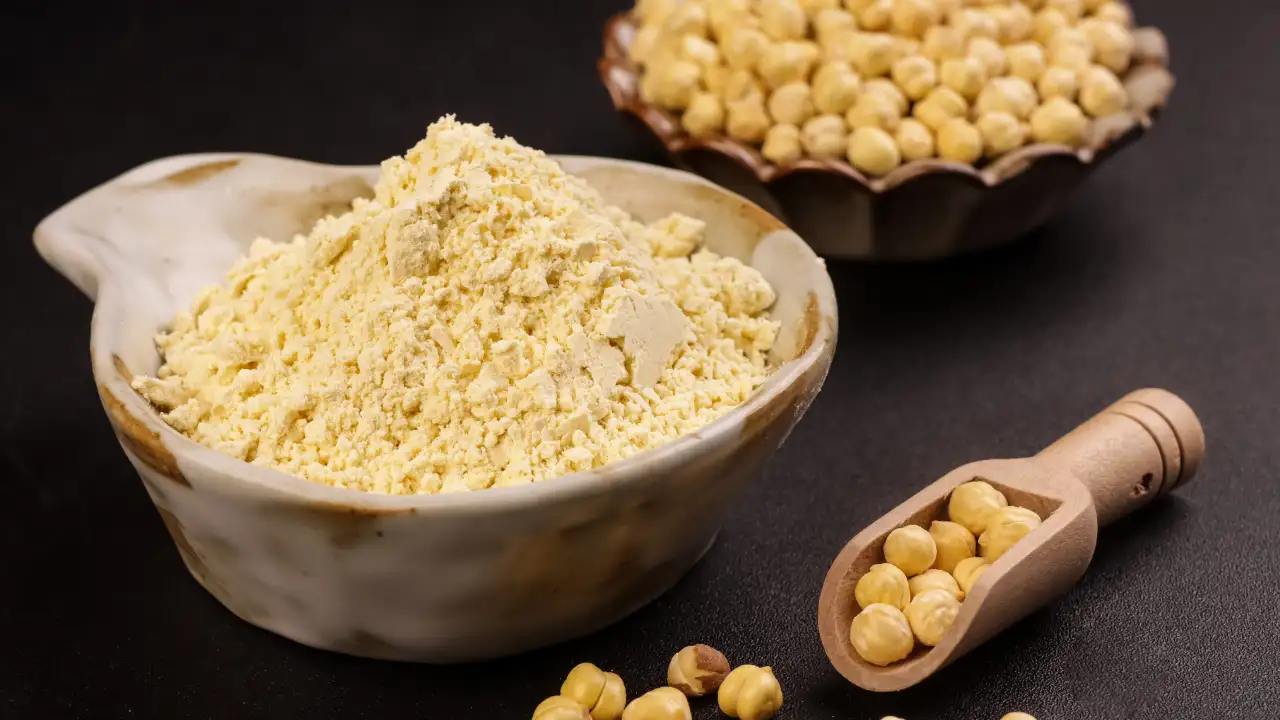
Experts note that colour alone cannot confirm adulteration, but noticeable differences from the besan you usually purchase could be a sign to inspect it more carefully.
Although smell is not a definitive test, food safety professionals suggest avoiding products that have an unusual odour, especially if the packaging appears damaged.
Check whether the packet is properly sealed and free from tears. Industry observers point out that clear labelling and intact packaging often indicate better quality control, though they cannot guarantee purity.
Experts caution that this is only a basic observation and should not be treated as a scientific method for confirming adulteration.
Comparing prices can also help. If a product is significantly cheaper than similar options, it may be worth checking the quality more carefully before making a purchase.
Proper storage helps maintain freshness, prevents insect infestation and preserves the natural flavour for a longer period.
Being aware of basic quality checks can help you make more informed choices when buying besan. While home observations have their limitations, purchasing from reliable sources, reading labels carefully and paying attention to freshness can go a long way in reducing the chances of bringing adulterated gram flour into your kitchen.
Examine The Colour And Texture
Pure gram flour generally has a natural pale yellow shade with a smooth, fine texture. If the flour appears unusually bright yellow, excessively dull or contains visible coarse particles, it may deserve closer attention.Experts note that colour alone cannot confirm adulteration, but noticeable differences from the besan you usually purchase could be a sign to inspect it more carefully.
Check The Aroma
Fresh besan has a mild, nutty aroma that becomes more noticeable when cooked. A stale, musty or chemical-like smell may indicate poor storage or possible contamination.Although smell is not a definitive test, food safety professionals suggest avoiding products that have an unusual odour, especially if the packaging appears damaged.
You may also like
- Guru Randhawa's New Single 'SIX' Marks a Bold Musical Shift
- Why thousands of US flights got delayed in a single day, and what travellers should know
- 8th Pay Commission: From ₹18,000 to ₹37,800, ₹45,000, or ₹54,000—find out how much your salary could increase.
- The final four fever is everywhere
- Beyond just loans, public sector banks are reaping huge profits from selling insurance; SBI leads the pack.
Read The Label Carefully
Always buy packaged gram flour from trusted brands that clearly mention the ingredient list, manufacturing date and expiry date.Check whether the packet is properly sealed and free from tears. Industry observers point out that clear labelling and intact packaging often indicate better quality control, though they cannot guarantee purity.
Mix A Small Quantity With Water
Adding a spoonful of besan to a glass of clean water can sometimes reveal visible impurities. Pure gram flour generally disperses evenly after stirring, while larger unwanted particles, if present, may separate or settle differently.Experts caution that this is only a basic observation and should not be treated as a scientific method for confirming adulteration.
Buy From Reliable Sellers
Choosing established grocery stores or reputed retailers reduces the likelihood of purchasing poor-quality products. Loose gram flour sold without proper packaging may not always meet the same quality standards as sealed products.Comparing prices can also help. If a product is significantly cheaper than similar options, it may be worth checking the quality more carefully before making a purchase.
Store Besan Properly
Even pure gram flour can lose quality if stored incorrectly. Keep it in an airtight container in a cool, dry place away from direct sunlight and moisture.Proper storage helps maintain freshness, prevents insect infestation and preserves the natural flavour for a longer period.
Being aware of basic quality checks can help you make more informed choices when buying besan. While home observations have their limitations, purchasing from reliable sources, reading labels carefully and paying attention to freshness can go a long way in reducing the chances of bringing adulterated gram flour into your kitchen.






Loving Newspoint? Download the app now
