
How to Get Rid of Millipedes and Centipedes During Monsoon: 7 Easy and Safe Tips

With the arrival of the monsoon, many homeowners begin spotting millipedes and centipedes crawling across bathroom floors, balconies, kitchens and even bedrooms. If you're wondering how to get rid of millipedes and centipedes during monsoon , you're not alone. The rainy season creates ideal conditions for these creatures to leave their outdoor shelters and move indoors in search of moisture, warmth and safe hiding spots. Fortunately, a few simple preventive measures can help keep them away without causing harm.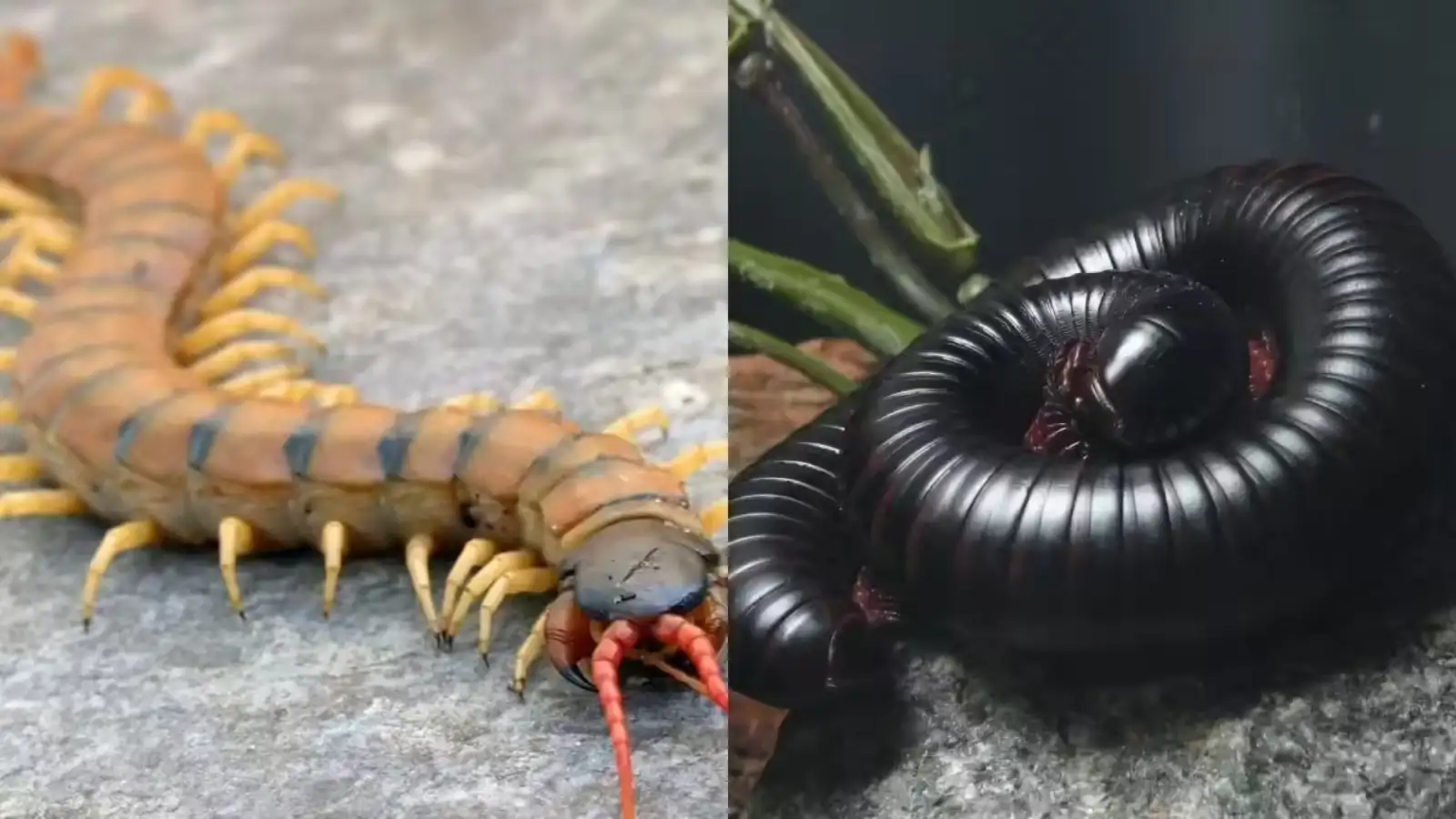
Why Do Millipedes and Centipedes Enter Homes During Monsoon?
Heavy rainfall often floods the places where these creatures naturally live, including garden soil, compost piles, damp wood, drains and leaf litter. As their habitats become waterlogged, they look for dry, sheltered areas inside homes.
They commonly find their way indoors through:
Dark, cool and damp spaces such as bathrooms, kitchens, balconies and storage rooms become their favourite hiding places during the rainy season.
Millipedes vs Centipedes: Know the Difference
Although they are often mistaken for one another, millipedes and centipedes have distinct characteristics.
Millipedes
Centipedes
Knowing which one you're dealing with helps you choose the right approach for removal.
Are Millipedes and Centipedes Harmful?
Millipedes are not known to bite people. However, some species release a defensive liquid that may cause mild skin irritation in sensitive individuals. It is best to avoid handling them directly.
Centipedes are more defensive and may bite if cornered or touched. While bites from common household centipedes are rarely serious, they can cause temporary pain, redness and swelling. Children and pets should be kept away from them whenever possible.
Safe Ways to Get Rid of Millipedes and Centipedes
Experts recommend avoiding the temptation to crush these creatures. Instead, use safer and more effective methods that also reduce future infestations.
The Best Long-Term Solution
The most effective way to prevent millipedes and centipedes from invading your home is to control excess moisture. A dry, clean and well-sealed house is far less attractive to these monsoon visitors. Regular maintenance, proper drainage and quick repairs to leaks can significantly reduce the chances of spotting them indoors throughout the rainy season.
Millipedes and centipedes may become more visible during the monsoon, but they usually enter homes because changing weather forces them out of their natural habitats. By reducing dampness, sealing entry points and using safe removal techniques, you can keep your home comfortable and pest-free without relying on harsh chemicals. A few preventive steps today can save you from frequent encounters throughout the rainy season.
Why Do Millipedes and Centipedes Enter Homes During Monsoon?
Heavy rainfall often floods the places where these creatures naturally live, including garden soil, compost piles, damp wood, drains and leaf litter. As their habitats become waterlogged, they look for dry, sheltered areas inside homes.
They commonly find their way indoors through:
- Cracks in walls and floors
- Gaps beneath doors
- Open drains
- Plumbing openings
- Small spaces around windows
Dark, cool and damp spaces such as bathrooms, kitchens, balconies and storage rooms become their favourite hiding places during the rainy season.
Millipedes vs Centipedes: Know the Difference
Although they are often mistaken for one another, millipedes and centipedes have distinct characteristics.
Millipedes
- Round, cylindrical bodies
- Slow-moving
- Curl into a tight spiral when disturbed
- Feed on decaying leaves and organic matter
- Generally harmless to humans
Centipedes
- Flat bodies with long legs
- Move quickly
- Active hunters that feed on insects, spiders and other small pests
- Can bite when they feel threatened
Knowing which one you're dealing with helps you choose the right approach for removal.
Are Millipedes and Centipedes Harmful?
Millipedes are not known to bite people. However, some species release a defensive liquid that may cause mild skin irritation in sensitive individuals. It is best to avoid handling them directly.
Centipedes are more defensive and may bite if cornered or touched. While bites from common household centipedes are rarely serious, they can cause temporary pain, redness and swelling. Children and pets should be kept away from them whenever possible.
Safe Ways to Get Rid of Millipedes and Centipedes
Experts recommend avoiding the temptation to crush these creatures. Instead, use safer and more effective methods that also reduce future infestations.
You may also like
- Taylor Swift's Playlist for Emotional Healing: A Journey Through Love and Self-Discovery
- Why Prince Harry's latest UK return just took a major, unexpected turn
- Psychology says fathers who take longer parental leave aren't just helping their family: A study of 746 dads linked 14 to 40 weeks of leave to a lower risk of depression
- Parenting lesson from an IIT Bombay graduate: Why a parent's faith and attitude can matter more than early judgments
- The surprising story of how Baku got its name: Exploring the origins of Azerbaijan's capital
1. Remove Them Gently
Use a broom, dustpan or container to collect them and release them outdoors, away from your home's entrance.2. Keep Indoor Areas Dry
Moisture attracts these pests. Wipe bathroom floors, fix leaking pipes and improve ventilation to reduce dampness.3. Seal Entry Points
Inspect your home for cracks, gaps around pipes and spaces beneath doors. Sealing these openings prevents them from entering.4. Cover Drains and Vents
Install drain covers and fine mesh screens over ventilation openings to block easy access.5. Remove Damp Outdoor Debris
Clear away piles of wet leaves, old cardboard, mulch and stacked firewood near your home's foundation, as these provide excellent hiding spots.6. Try Natural Repellents
Spraying diluted neem oil or peppermint oil around doorways, windows and damp corners may help discourage them from entering.The Best Long-Term Solution
The most effective way to prevent millipedes and centipedes from invading your home is to control excess moisture. A dry, clean and well-sealed house is far less attractive to these monsoon visitors. Regular maintenance, proper drainage and quick repairs to leaks can significantly reduce the chances of spotting them indoors throughout the rainy season.
Millipedes and centipedes may become more visible during the monsoon, but they usually enter homes because changing weather forces them out of their natural habitats. By reducing dampness, sealing entry points and using safe removal techniques, you can keep your home comfortable and pest-free without relying on harsh chemicals. A few preventive steps today can save you from frequent encounters throughout the rainy season.






Loving Newspoint? Download the app now
