
How To Grow And Care For Chamomile At Home

Chamomile is one of the most loved herbs among gardening enthusiasts. Known for its tiny white flowers and soothing fragrance, chamomile is widely used in herbal teas, skincare products, and natural remedies. The best part is that growing chamomile at home is surprisingly easy, even for beginners.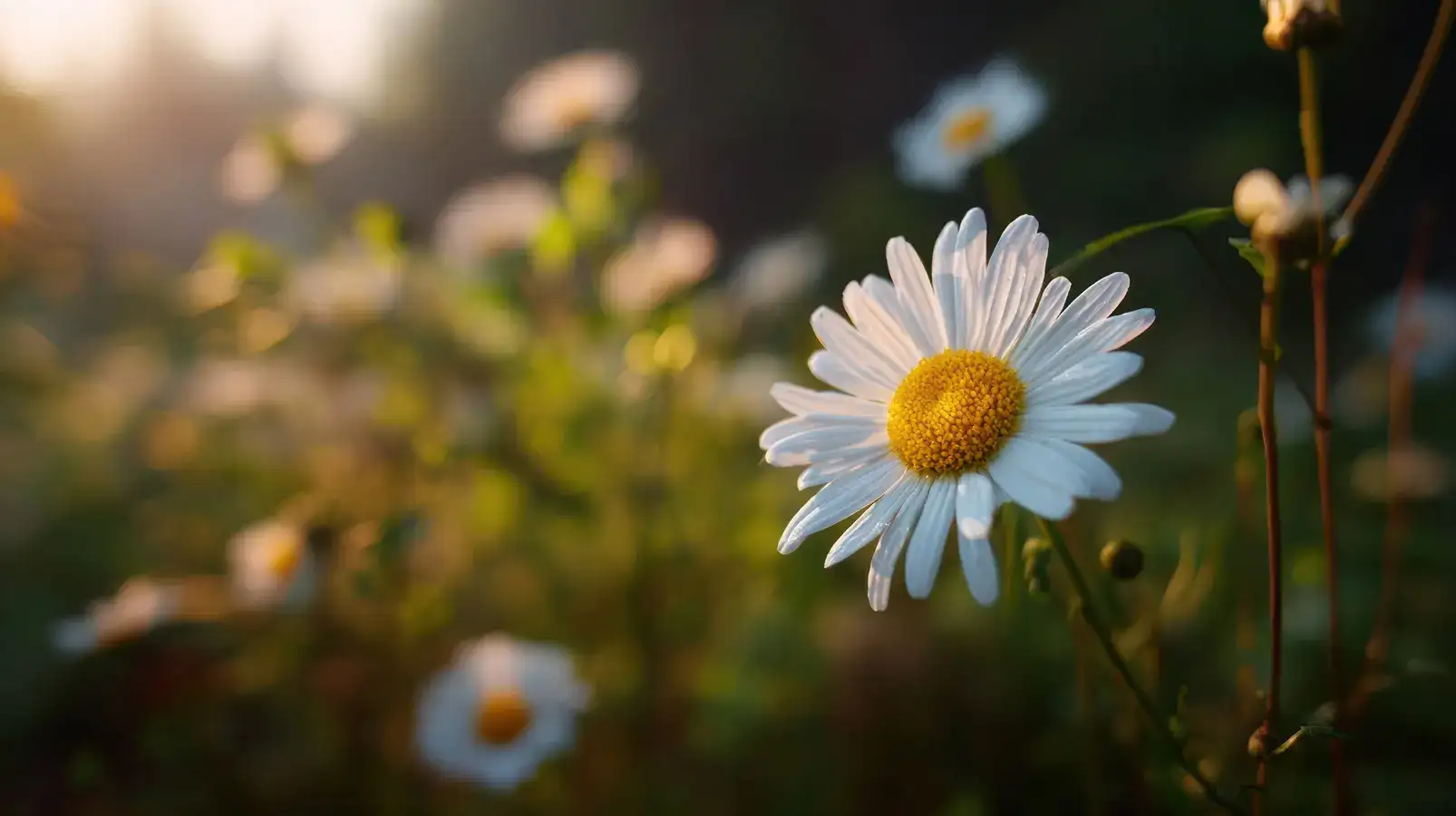
Whether you have a spacious garden, a terrace setup, or a small balcony, chamomile can grow beautifully with basic care. If you are planning to add this calming herb to your home garden, here is everything you need to know about growing and caring for chamomile.
Also Read: 5 Gorgeous Plants To Give Your Main Gate A Fresh And Elegant Look
Proper sunlight encourages healthy growth and increases flower production.
If growing chamomile in pots, ensure the container has proper drainage holes to prevent waterlogging.
During very hot weather, slightly increase watering, but make sure the soil never becomes soggy.
Keep the soil moist during germination. Tiny seedlings usually appear within one to two weeks.
Dried chamomile flowers can be used for herbal tea, homemade skincare remedies, or aromatic potpourri.
With proper care, chamomile plants can bloom beautifully and bring freshness to your balcony, terrace, or garden space throughout the growing season.
Whether you have a spacious garden, a terrace setup, or a small balcony, chamomile can grow beautifully with basic care. If you are planning to add this calming herb to your home garden, here is everything you need to know about growing and caring for chamomile.
Choose The Right Type Of Chamomile
Before planting, it is important to know that there are two common varieties of chamomile.- German Chamomile
- Roman Chamomile
Also Read: 5 Gorgeous Plants To Give Your Main Gate A Fresh And Elegant Look
Best Sunlight Conditions For Chamomile
Chamomile grows best in full sunlight. Place the plant in a spot that receives at least 4 to 6 hours of direct sunlight daily. In extremely hot climates, partial afternoon shade can help protect the plant from excessive heat.Proper sunlight encourages healthy growth and increases flower production.
Soil Requirements For Healthy Growth
Well drained soil is essential for growing chamomile successfully. The herb prefers light, sandy soil with moderate fertility. Avoid overly rich soil because it may encourage leafy growth instead of flowers.If growing chamomile in pots, ensure the container has proper drainage holes to prevent waterlogging.
How Often Should You Water Chamomile?
Chamomile is relatively drought tolerant and does not require excessive watering. Water the plant only when the top layer of soil feels dry. Overwatering can damage the roots and lead to fungal issues.During very hot weather, slightly increase watering, but make sure the soil never becomes soggy.
Growing Chamomile From Seeds
Chamomile can easily be grown from seeds. Scatter the seeds lightly over the soil surface because they need sunlight to germinate. Press them gently into the soil without covering them completely.Keep the soil moist during germination. Tiny seedlings usually appear within one to two weeks.
Tips To Care For Chamomile Plants
Prune Regularly
Remove dried flowers regularly to encourage fresh blooms and healthy growth.Protect From Pests
Chamomile is generally low maintenance, but aphids and fungal diseases can occasionally affect the plant. Ensure good airflow around the plant to reduce problems.Avoid Excess Fertiliser
Too much fertiliser can reduce flower production. A light organic compost is usually enough for healthy growth.Harvesting Chamomile Flowers
Chamomile flowers are usually ready for harvesting once they fully bloom. Pick the flowers gently during dry weather and allow them to air dry naturally.Dried chamomile flowers can be used for herbal tea, homemade skincare remedies, or aromatic potpourri.
Why Chamomile Is Perfect For Home Gardens
Chamomile is not just visually attractive but also highly practical. Its calming fragrance, low maintenance nature, and medicinal benefits make it one of the best herbs for beginner gardeners.With proper care, chamomile plants can bloom beautifully and bring freshness to your balcony, terrace, or garden space throughout the growing season.
Next Story