
How to Know When Your Plant Needs More Water

Knowing when to water a plant sounds simple until you discover that different plants have very different needs. Some prefer consistently moist soil, while others naturally grow in dry conditions and can suffer if watered too frequently. The calendar is therefore not always a reliable guide. Instead, plants often provide clues through their leaves, stems and soil. Learning to recognise these signals can prevent both underwatering and the equally common mistake of overwatering. For beginners especially, understanding the difference between a genuinely thirsty plant and one suffering from excess moisture can make a major difference.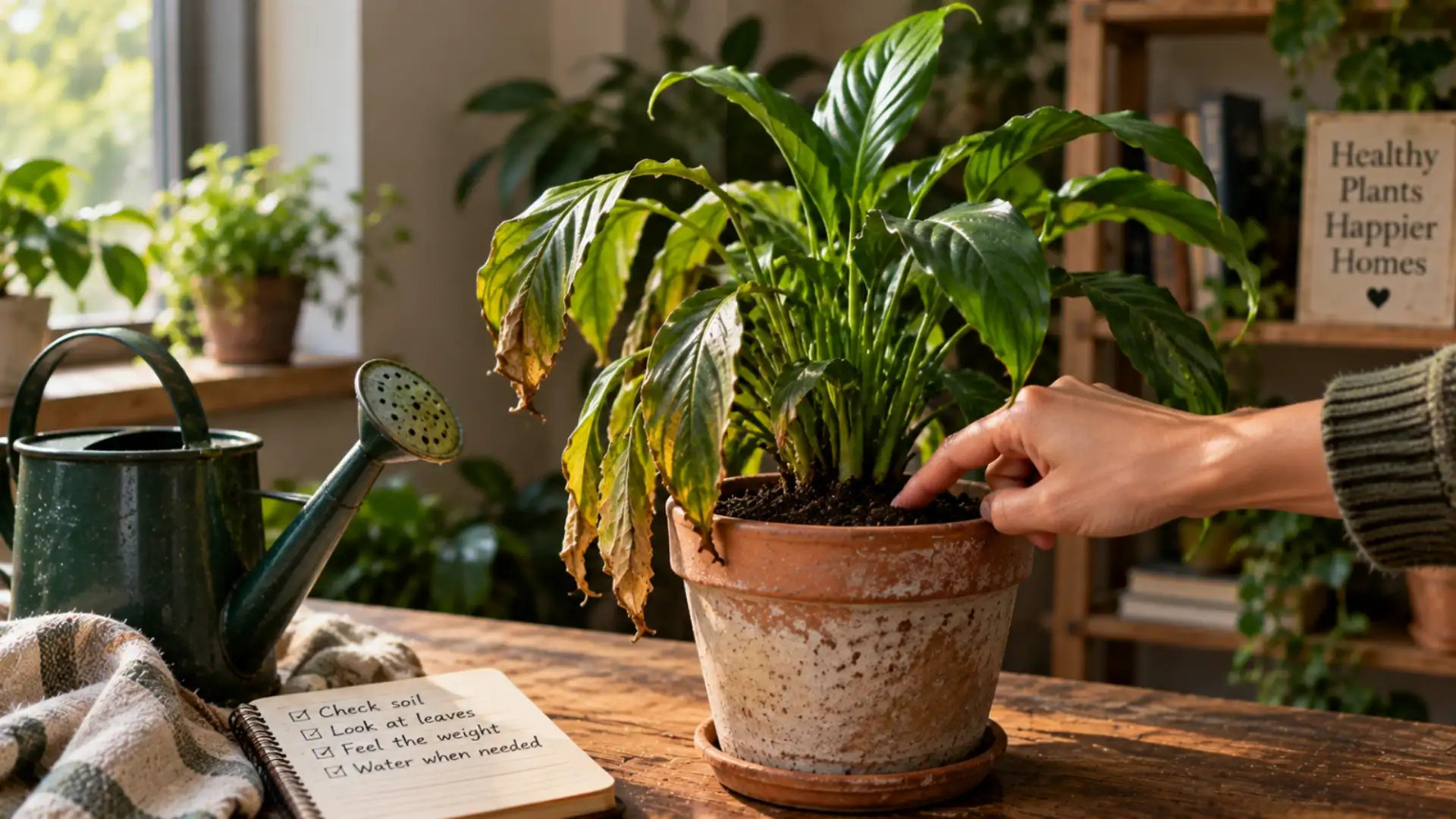
If the soil feels dry where the plant's roots are concentrated, watering may be necessary. If it remains noticeably damp, adding more water may do more harm than good.
The exact depth depends on the size of the container and plant.
However, drooping does not always mean the plant needs water. Heat stress, root problems and excessive moisture can create similar symptoms.
That is why leaves should be considered alongside the soil condition.
But low humidity, excessive sunlight or salt accumulation can also produce similar symptoms.
With experience, gardeners can learn to judge moisture simply by lifting the container.
If a plant repeatedly struggles despite regular watering, the problem may involve drainage, light, temperature or the roots rather than water alone.
A better approach is to check the plant and soil regularly.
Once you learn to read these small signals, plant care becomes less about guesswork and more about observation.
Check the Soil First
One of the simplest methods is to check the soil with your finger. Push it a few centimetres below the surface.If the soil feels dry where the plant's roots are concentrated, watering may be necessary. If it remains noticeably damp, adding more water may do more harm than good.
The exact depth depends on the size of the container and plant.
Look at the Leaves
Drooping leaves can be a sign of underwatering, particularly when the soil is dry. Leaves may lose their firmness and appear less vibrant.However, drooping does not always mean the plant needs water. Heat stress, root problems and excessive moisture can create similar symptoms.
That is why leaves should be considered alongside the soil condition.
Dry or Curling Edges
Brown, crispy leaf edges can sometimes indicate prolonged lack of moisture, especially when accompanied by dry soil.But low humidity, excessive sunlight or salt accumulation can also produce similar symptoms.
You may also like
- Post Office SCSS: Invest in this scheme just once and receive ₹20,500 every month..
- EPFO: Complete this important PF-related task by December 28; your retirement fund could be affected..
- Government Launches Rashtriya Poshan Maah 2026: Pregnant Women and Children Can Get Key Benefits, Check Details
- Zero waste, zero electricity bill: How a 75-year-old Padma Shri awardee built a home that powers itself and 50 others too
- Preparing The Heart For Krishn
The Pot Can Give You a Clue
For container plants, weight is surprisingly useful. A pot filled with moist soil feels heavier than one that has dried out.With experience, gardeners can learn to judge moisture simply by lifting the container.
Watch New Growth
Plants experiencing prolonged water stress may struggle to produce healthy new leaves. Growth can become slower and smaller.If a plant repeatedly struggles despite regular watering, the problem may involve drainage, light, temperature or the roots rather than water alone.
Avoid the Calendar Trap
Watering every Monday and Thursday may sound organised, but plants do not follow calendars. Weather, season, pot size and soil type can change how quickly moisture disappears.A better approach is to check the plant and soil regularly.
The Golden Rule
Watering is about balance rather than quantity. Give the plant enough moisture to reach its root zone, then allow conditions to determine when it needs water again.Once you learn to read these small signals, plant care becomes less about guesswork and more about observation.






Loving Newspoint? Download the app now
