
How To Make Greek Yogurt At Home: Easy 7-Step Recipe For Creamy Homemade Yogurt

Greek yogurt has become a popular choice among health enthusiasts because of its rich texture, high protein content and versatility in everyday meals. While store-bought options are easily available, learning how to make Greek yogurt at home is simple, affordable and requires only two basic ingredients along with a little preparation time. Homemade Greek yogurt is fresh, creamy and can be customised according to your taste.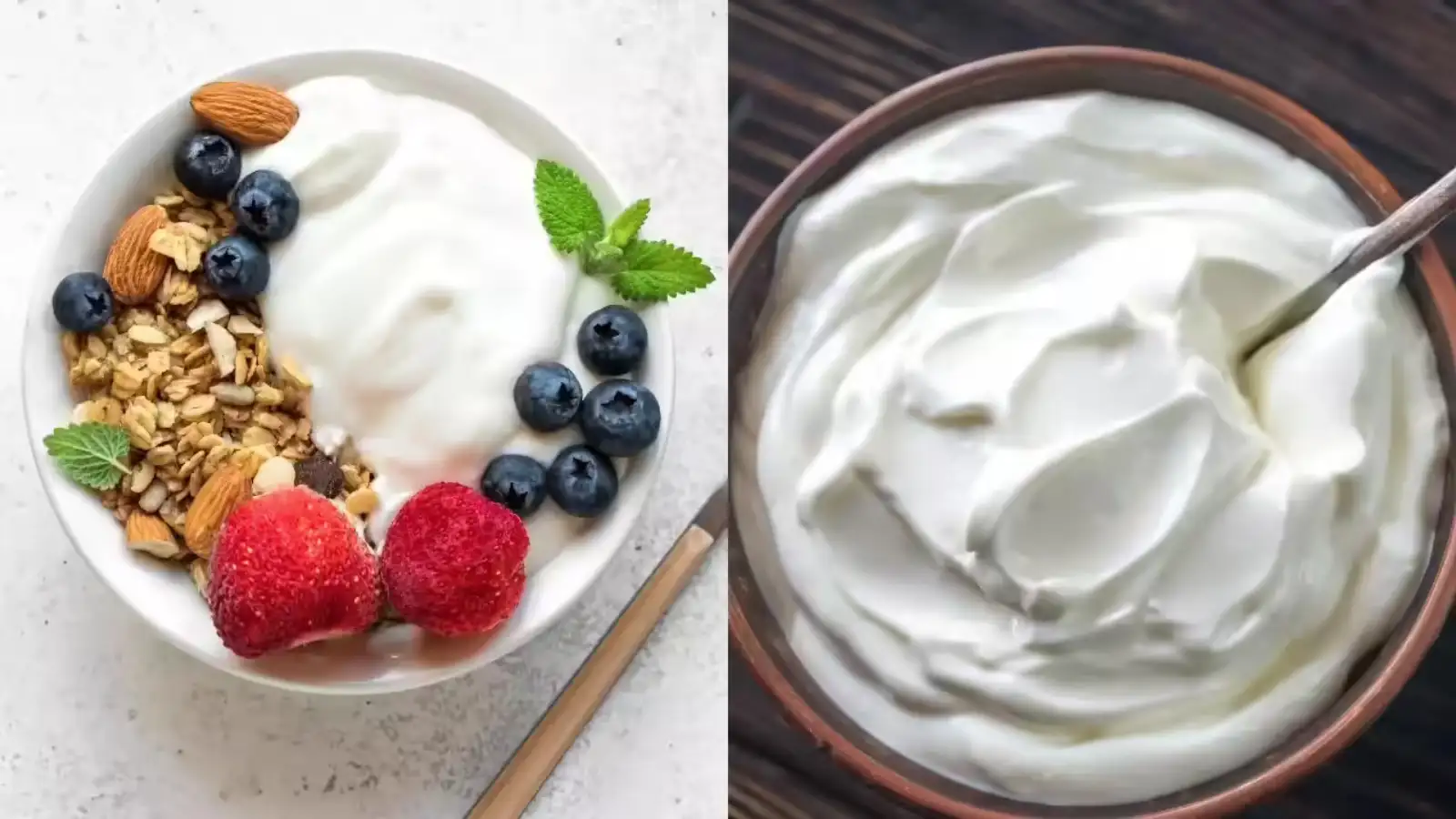
Unlike regular yogurt, Greek yogurt goes through an extra straining process that removes excess whey, giving it a thicker consistency and smoother texture. From breakfast bowls and smoothies to dips and desserts, this homemade dairy favourite can be used in countless ways.
Ingredients Needed To Make Greek Yogurt At Home
Before starting the process, gather these simple ingredients and kitchen essentials:
Using a yogurt starter with live cultures is important as it helps the milk ferment properly and gives the yogurt its characteristic creamy texture.
Step 1: Heat The Milk Properly
Start by pouring the milk into a heavy-bottomed pan and heat it over a medium flame. Bring the milk close to a boil while stirring occasionally to prevent it from sticking to the bottom of the pan.
Heating the milk helps improve the final texture of the yogurt by allowing the proteins to set properly.
Step 2: Allow The Milk To Cool
Once the milk reaches the boiling point, turn off the heat and let it cool down. The milk should become warm enough to touch, ideally around 40-45°C.
This step is crucial because adding the starter yogurt when the milk is too hot can destroy the beneficial live cultures needed for fermentation.
Step 3: Add The Yogurt Starter
Take two tablespoons of plain yogurt containing live cultures and add it to the warm milk. Whisk well until the starter is completely mixed with the milk.
Make sure there are no lumps, as a smooth mixture helps create evenly set yogurt.
Step 4: Let The Yogurt Ferment
Cover the pan with a lid and place it in a warm area for around 6-8 hours or leave it overnight. During colder weather, wrap the container with a towel or keep it in a warm corner to maintain the required temperature.
The yogurt is ready when it becomes firm and has a slightly tangy flavour.
Step 5: Prepare The Straining Setup
To transform regular yogurt into Greek yogurt, you need to remove the extra whey. Place a muslin cloth or cheesecloth over a strainer and keep the strainer on top of a large bowl.
This setup allows the liquid whey to drain while keeping the thick yogurt behind.
Unlike regular yogurt, Greek yogurt goes through an extra straining process that removes excess whey, giving it a thicker consistency and smoother texture. From breakfast bowls and smoothies to dips and desserts, this homemade dairy favourite can be used in countless ways.
Ingredients Needed To Make Greek Yogurt At Home
Before starting the process, gather these simple ingredients and kitchen essentials:
- 1 litre full-fat or toned milk
- 2 tablespoons plain yogurt with live cultures (starter yogurt)
- Heavy-bottomed saucepan
- Clean muslin cloth or cheesecloth
- Strainer
- Large bowl
Using a yogurt starter with live cultures is important as it helps the milk ferment properly and gives the yogurt its characteristic creamy texture.
Step 1: Heat The Milk Properly
Start by pouring the milk into a heavy-bottomed pan and heat it over a medium flame. Bring the milk close to a boil while stirring occasionally to prevent it from sticking to the bottom of the pan.
Heating the milk helps improve the final texture of the yogurt by allowing the proteins to set properly.
Step 2: Allow The Milk To Cool
Once the milk reaches the boiling point, turn off the heat and let it cool down. The milk should become warm enough to touch, ideally around 40-45°C.
This step is crucial because adding the starter yogurt when the milk is too hot can destroy the beneficial live cultures needed for fermentation.
Step 3: Add The Yogurt Starter
Take two tablespoons of plain yogurt containing live cultures and add it to the warm milk. Whisk well until the starter is completely mixed with the milk.
Make sure there are no lumps, as a smooth mixture helps create evenly set yogurt.
Step 4: Let The Yogurt Ferment
Cover the pan with a lid and place it in a warm area for around 6-8 hours or leave it overnight. During colder weather, wrap the container with a towel or keep it in a warm corner to maintain the required temperature.
The yogurt is ready when it becomes firm and has a slightly tangy flavour.
Step 5: Prepare The Straining Setup
To transform regular yogurt into Greek yogurt, you need to remove the extra whey. Place a muslin cloth or cheesecloth over a strainer and keep the strainer on top of a large bowl.
This setup allows the liquid whey to drain while keeping the thick yogurt behind.
Next Story