
How To Photograph Cats Like A Pro And Capture Stunning Images Even If They Are Shy

Anyone who has tried photographing a cat knows it can be both rewarding and frustrating. One moment a cat is sitting perfectly in a sunlit corner, and the next it has disappeared under a bed or darted out of the frame. Unlike human subjects, cats rarely pose on command and often decide for themselves when they want to be the centre of attention.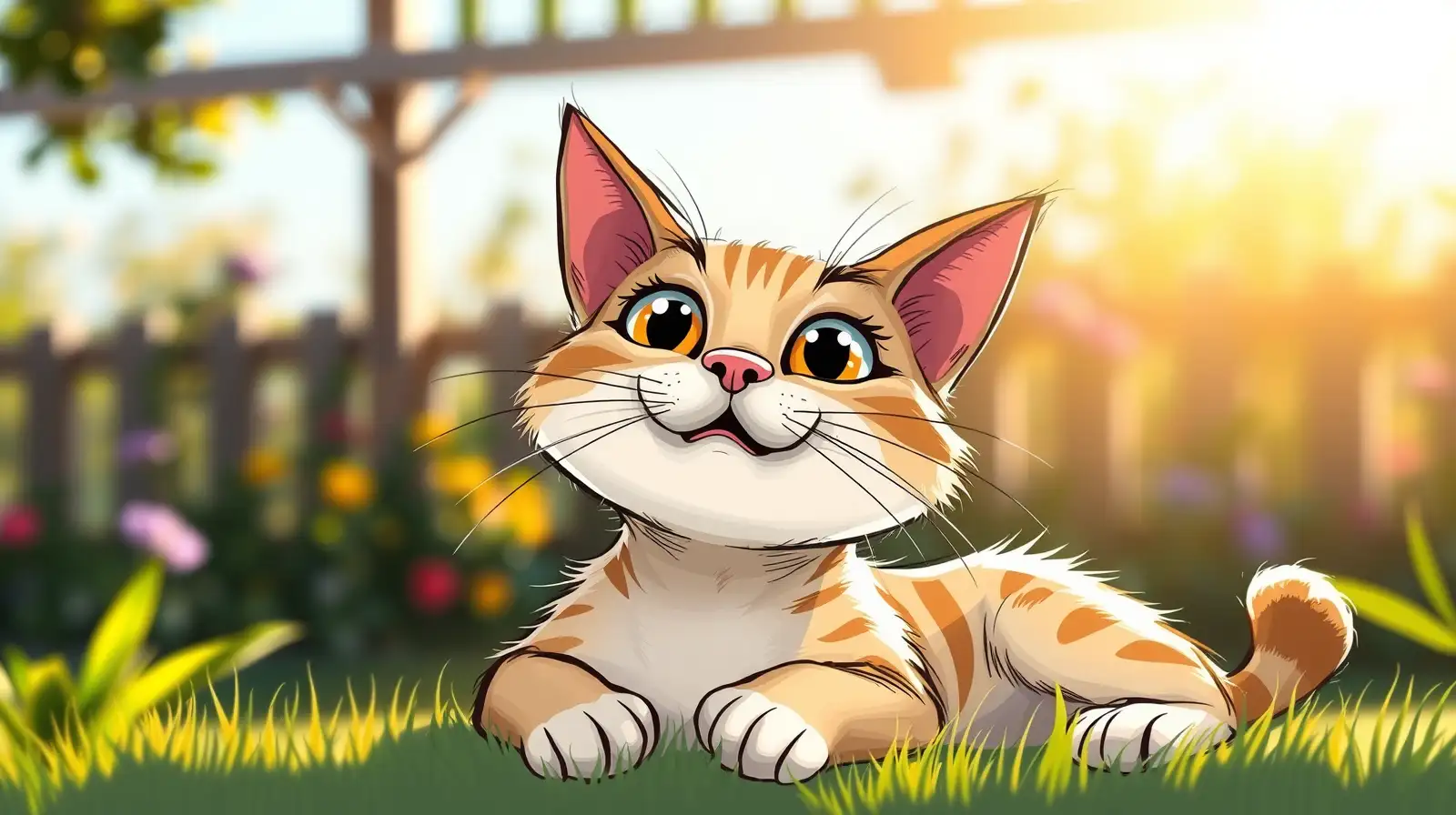
The challenge becomes even greater when photographing shy cats. These felines may hide from unfamiliar people, avoid direct interaction or become nervous around cameras. Yet some of the most memorable pet photographs come from capturing a cat’s natural personality rather than forcing a pose. With patience, preparation and a few smart photography techniques, it is possible to create beautiful images that showcase every cat’s unique charm.
Cats are naturally curious but also cautious. Many shy cats need time to feel comfortable in their surroundings before they are willing to interact. Observing your cat’s habits can help identify the best opportunities for photographs.
Some cats are most active early in the morning, while others become playful during the evening. Learning these patterns can help you plan photography sessions when your pet is relaxed and naturally expressive.
Understanding behaviour is often the most valuable of all cat photography tips .
Natural light is generally the best option for cat portrait photography because it produces soft, flattering results. Position your cat near a large window or in a room with plenty of daylight.
Morning and late-afternoon light often create the most attractive conditions. These periods provide gentle illumination that highlights a cat’s fur texture and eye colour without creating harsh shadows.
Avoid using flash whenever possible. Sudden flashes can startle cats and may cause them to become anxious or run away before you capture the shot.
Many people photograph pets while standing, which often results in images taken from above. While these pictures can be cute, they rarely create a strong connection with viewers.
Instead, crouch or sit on the floor and photograph the cat at eye level. This perspective feels more intimate and reveals details that are often missed from higher angles.
Eye-level images tend to appear more professional and engaging.
Timid cats rarely respond well to being chased or constantly approached. Rather than forcing interaction, allow the cat to become accustomed to your presence.
Sit quietly with your camera nearby and let curiosity do the work. Many shy cats eventually emerge to investigate their surroundings once they realise there is no threat.
The best photographs often happen when the cat forgets about the camera entirely.
Small toys, feather teasers or favourite treats can help attract attention and encourage natural expressions. Holding a toy near the camera lens often creates alert ears and focused eyes.
This technique works particularly well when trying to capture eye contact, which is often a key element in successful pet photography ideas .
However, avoid overwhelming the cat with excessive stimulation. The goal is to encourage curiosity rather than excitement that leads to constant movement.
Cats have expressive eyes that can instantly capture attention. Ensuring the eyes are sharp and in focus helps create a stronger emotional impact.
Most modern cameras and smartphones allow users to tap or select a focus point. Choosing the eyes as the focus area can dramatically improve image quality.
A photograph with sharp eyes often appears far more compelling than one with perfect composition but poor focus.
Rather than concentrating only on posed portraits, look for natural behaviours such as:
• Stretching after a nap
• Watching birds from a window
• Playing with toys
• Exploring a new space
• Grooming themselves
These moments often tell a richer story and reveal more personality than carefully arranged poses.
Authentic behaviour creates photographs that feel genuine and relatable.
Before taking photographs, remove unnecessary objects from the frame whenever possible. A simple background helps highlight the cat and creates a cleaner composition.
Neutral walls, plain furniture and uncluttered spaces often work best. If the background is busy, moving a few steps or changing your angle can make a significant difference.
Simple backgrounds are a common feature of effective cat portrait photography.
Burst mode, available on most cameras and smartphones, captures multiple images in quick succession. This feature increases the chances of obtaining a perfectly timed photograph.
Whether your cat is jumping, chasing a toy or turning its head unexpectedly, burst mode can help capture moments that would otherwise be missed.
Reviewing several images afterwards often reveals expressions or movements that stand out.
Adjusting brightness, contrast and sharpness can improve overall image quality. Minor colour corrections may also help bring out details in the cat’s fur and eyes.
Avoid excessive filters that alter the cat’s appearance. The goal should be to enhance the photograph while preserving its authenticity.
Learning how to photograph cats is less about expensive equipment and more about understanding feline behaviour. Cats, particularly shy ones, respond best when they feel safe and unpressured. By using natural light, maintaining patience and focusing on genuine moments, photographers can create images that beautifully capture a cat’s character. Whether using a smartphone or a professional camera, these techniques can help transform ordinary snapshots into memorable portraits that celebrate the unique personality of every feline companion.
The challenge becomes even greater when photographing shy cats. These felines may hide from unfamiliar people, avoid direct interaction or become nervous around cameras. Yet some of the most memorable pet photographs come from capturing a cat’s natural personality rather than forcing a pose. With patience, preparation and a few smart photography techniques, it is possible to create beautiful images that showcase every cat’s unique charm.
Understand Your Cat’s Behaviour First
Before picking up a camera, it helps to understand how cats behave.Cats are naturally curious but also cautious. Many shy cats need time to feel comfortable in their surroundings before they are willing to interact. Observing your cat’s habits can help identify the best opportunities for photographs.
Some cats are most active early in the morning, while others become playful during the evening. Learning these patterns can help you plan photography sessions when your pet is relaxed and naturally expressive.
Understanding behaviour is often the most valuable of all cat photography tips .
Choose Natural Light Whenever Possible
Lighting can dramatically affect the quality of a photograph.Natural light is generally the best option for cat portrait photography because it produces soft, flattering results. Position your cat near a large window or in a room with plenty of daylight.
Morning and late-afternoon light often create the most attractive conditions. These periods provide gentle illumination that highlights a cat’s fur texture and eye colour without creating harsh shadows.
Avoid using flash whenever possible. Sudden flashes can startle cats and may cause them to become anxious or run away before you capture the shot.
Get Down To Their Level
One of the simplest ways to improve indoor cat photography is to change your perspective.Many people photograph pets while standing, which often results in images taken from above. While these pictures can be cute, they rarely create a strong connection with viewers.
Instead, crouch or sit on the floor and photograph the cat at eye level. This perspective feels more intimate and reveals details that are often missed from higher angles.
Eye-level images tend to appear more professional and engaging.
Be Patient With Shy Cats
Patience is essential when practising shy cat photography .Timid cats rarely respond well to being chased or constantly approached. Rather than forcing interaction, allow the cat to become accustomed to your presence.
Sit quietly with your camera nearby and let curiosity do the work. Many shy cats eventually emerge to investigate their surroundings once they realise there is no threat.
The best photographs often happen when the cat forgets about the camera entirely.
Use Toys And Treats Strategically
Keeping a cat interested can be challenging, especially during longer sessions.Small toys, feather teasers or favourite treats can help attract attention and encourage natural expressions. Holding a toy near the camera lens often creates alert ears and focused eyes.
This technique works particularly well when trying to capture eye contact, which is often a key element in successful pet photography ideas .
However, avoid overwhelming the cat with excessive stimulation. The goal is to encourage curiosity rather than excitement that leads to constant movement.
Focus On The Eyes
The eyes are usually the most important feature in any cat photograph.Cats have expressive eyes that can instantly capture attention. Ensuring the eyes are sharp and in focus helps create a stronger emotional impact.
Most modern cameras and smartphones allow users to tap or select a focus point. Choosing the eyes as the focus area can dramatically improve image quality.
A photograph with sharp eyes often appears far more compelling than one with perfect composition but poor focus.
Capture Everyday Moments
Some of the most memorable photographs happen when cats are simply being themselves.Rather than concentrating only on posed portraits, look for natural behaviours such as:
• Stretching after a nap
• Watching birds from a window
• Playing with toys
• Exploring a new space
• Grooming themselves
These moments often tell a richer story and reveal more personality than carefully arranged poses.
Authentic behaviour creates photographs that feel genuine and relatable.
Keep The Background Clean
Background distractions can take attention away from the subject.Before taking photographs, remove unnecessary objects from the frame whenever possible. A simple background helps highlight the cat and creates a cleaner composition.
Neutral walls, plain furniture and uncluttered spaces often work best. If the background is busy, moving a few steps or changing your angle can make a significant difference.
Simple backgrounds are a common feature of effective cat portrait photography.
You may also like
- How to Reduce Inflammation With an Anti-Inflammatory Diet During Pregnancy
- Jeremy Clarkson in remission after 'aggressive' prostate cancer, urges men to get tested early
- Scary Mommy founder Jill Smokler dies at 48 after battle with Glioblastoma
- Why is it so difficult to visit India's smallest national park?
- Post Office Scheme: An impressive return of up to ₹35 lakh on an investment of ₹50; this scheme can make you wealthy.
Use Burst Mode For Better Results
Cats rarely stay still for long.Burst mode, available on most cameras and smartphones, captures multiple images in quick succession. This feature increases the chances of obtaining a perfectly timed photograph.
Whether your cat is jumping, chasing a toy or turning its head unexpectedly, burst mode can help capture moments that would otherwise be missed.
Reviewing several images afterwards often reveals expressions or movements that stand out.
Edit With A Light Touch
Basic editing can enhance photographs without making them look unnatural.Adjusting brightness, contrast and sharpness can improve overall image quality. Minor colour corrections may also help bring out details in the cat’s fur and eyes.
Avoid excessive filters that alter the cat’s appearance. The goal should be to enhance the photograph while preserving its authenticity.
Learning how to photograph cats is less about expensive equipment and more about understanding feline behaviour. Cats, particularly shy ones, respond best when they feel safe and unpressured. By using natural light, maintaining patience and focusing on genuine moments, photographers can create images that beautifully capture a cat’s character. Whether using a smartphone or a professional camera, these techniques can help transform ordinary snapshots into memorable portraits that celebrate the unique personality of every feline companion.






More from our partners


Loving Newspoint? Download the app now
