
Night Safari in India: 5 Essential Tips to Prepare Before You Go

There is an old saying among forest rangers: The jungle never sleeps; it simply changes shifts. When the sun sets and the daytime birds fall silent, an entirely different ecosystem awakens. Predators use the shadows to hunt, while elusive, lesser-known species venture out under the cover of darkness.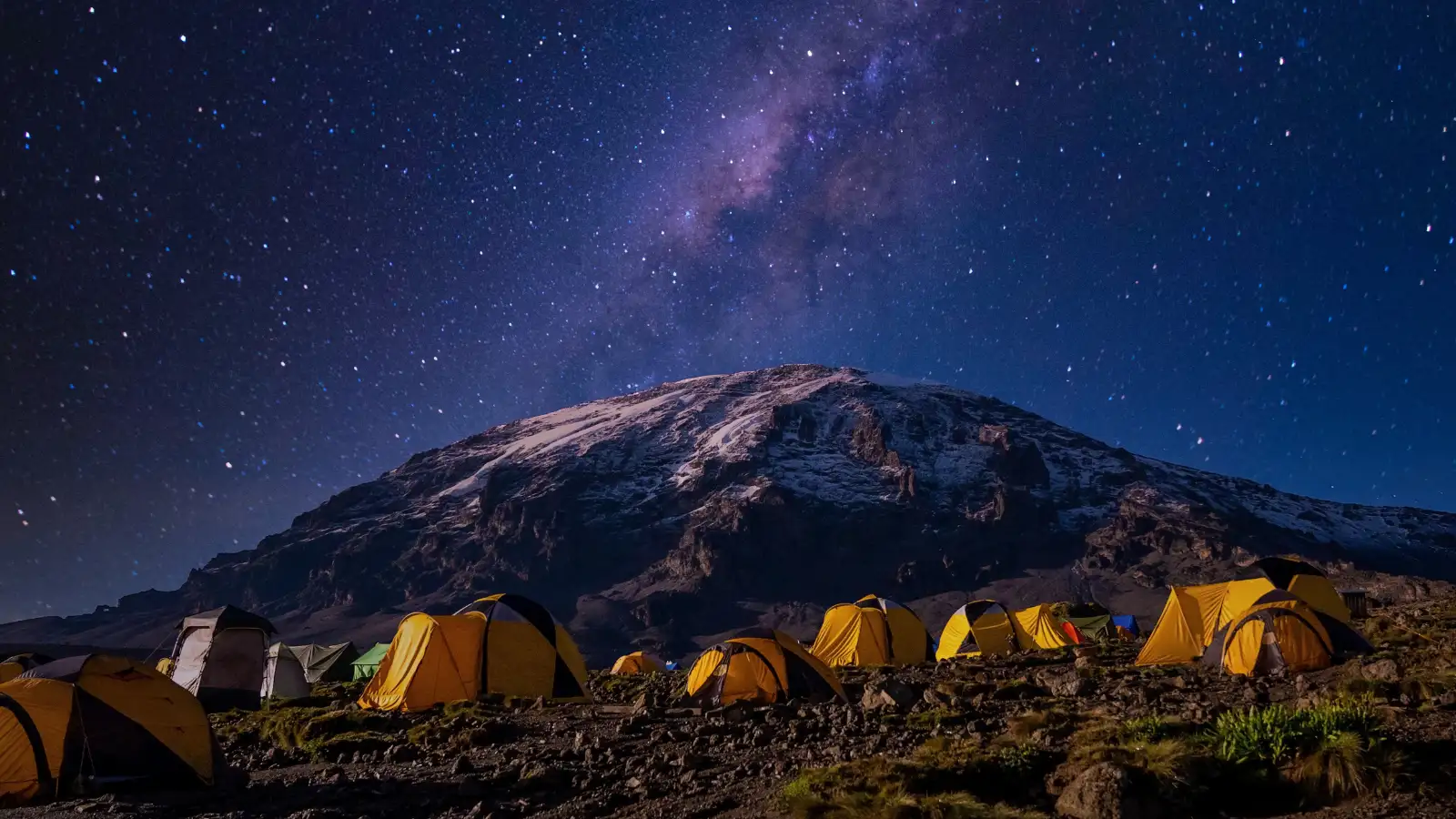
In India, commercial night safaris are heavily regulated and strictly confined to designated buffer zones rather than core areas to protect animal habitats. Reserves like Satpura National Park, Bandhavgarh, and Kanha offer these highly coveted night drives. However, entering a wild ecosystem in pitch-black conditions requires a specialized approach to safety, packing, and behavioral etiquette.
Instead, look closer to the ground and branches. Night safaris are primarily designed to showcase incredible, elusive nocturnal specialists that you will never see during the day. Keep your eyes peeled for rustling porcupines, Indian civets, wild hares, hyenas, hunting owls, and the soulful, rhythmic calling of the Nightjar.
Do not expect to arrive at a national park and book a night slot at the counter. Plan your trip months in advance, secure your official entry permits through verified government wildlife portals, and ensure your identity documents match your booking details flawlessly.
In India, commercial night safaris are heavily regulated and strictly confined to designated buffer zones rather than core areas to protect animal habitats. Reserves like Satpura National Park, Bandhavgarh, and Kanha offer these highly coveted night drives. However, entering a wild ecosystem in pitch-black conditions requires a specialized approach to safety, packing, and behavioral etiquette.
1. Layer Up for Dropping Temperatures
Even if you are visiting a national park during a hot Indian summer, forest temperatures plunge rapidly the moment twilight fades. Open-top 4x4 gypsies create a constant, chilly wind chill as they move down dirt tracks.You may also like
- Guggenheim Abu Dhabi aims to become a cultural hub for the UAE, says CEO
- EPFO PF Withdrawal Rules Explained: How Many Times Can You Withdraw PF in a Month?
- DA Hike Formula Explained: How the Government Calculates Dearness Allowance for Central Employees
- Why Are Indians Keeping More ₹100 and ₹200 Notes at Home? RBI Data Reveals a Surprising Trend
- 8th Pay Commission: When Will Central Government Employees Get Higher Salaries? Expert Shares Fitment Factor Estimate
- The Wardrobe Rule: Wear a protective base layer of long sleeves and full-length cargo pants to safeguard against dense swarms of nocturnal insects and thorny overhanging branches.
- The Extra Step: Always pack a windbreaker, fleece jacket, or light thermal sweater in your daypack, as central and northern Indian forests can feel surprisingly cold past midnight.
2. Carry Specialized Low-Light Gear
Standard daytime safari gear will not cut it when the forest goes dark. To maximize your chances of spotting hidden wildlife without disrupting the environment, pack with utility in mind:- Illumination: Bring a reliable, high-lumen tactical torch or a hands-free headlamp. Some parks provide specific spotters, but having your own light source is highly recommended.
- Optics: Pack high-quality binoculars with a wide objective lens to pull in maximum ambient light.
- Electronics: Ensure your camera body is optimized for high ISO settings to minimize grain in low-light environments, and carry plenty of spare batteries, as cold night air drains lithium-ion cells far faster than normal.
3. Manage Your Wildlife Expectations
If you enter an Indian night safari expecting constant, up-close interactions with a Royal Bengal Tiger, you are setting yourself up for disappointment. While leopards and big cats do move actively at night, they are master masters of camouflage.Instead, look closer to the ground and branches. Night safaris are primarily designed to showcase incredible, elusive nocturnal specialists that you will never see during the day. Keep your eyes peeled for rustling porcupines, Indian civets, wild hares, hyenas, hunting owls, and the soulful, rhythmic calling of the Nightjar.
4. Follow Safety and Silence Protocols Strictly
Safety is paramount during a night drive. Because human visibility is severely limited, you are entirely dependent on the seasoned instincts of your forest tracker and driver.- Stay Inside: Under no circumstances should you ever step out of the safari vehicle, even if you think a track is entirely empty.
- Minimize Movement: Avoid making sudden, jerky movements or pointing bright flashlights directly into an animal’s eyes, as this can blind them or trigger a defensive charge. Maintain absolute silence; sound travels much further in the crisp night air, and loud talking will scare away wildlife long before your vehicle arrives.
5. Book Permits Well in Advance
Because night safaris are tightly monitored by state forest departments to maintain ecological balance, the number of vehicles permitted to enter the buffer zones each night is strictly limited, often down to just a handful of gypsies per gate.Do not expect to arrive at a national park and book a night slot at the counter. Plan your trip months in advance, secure your official entry permits through verified government wildlife portals, and ensure your identity documents match your booking details flawlessly.






More from our partners


Loving Newspoint? Download the app now
