
How To Ripen Mangoes Naturally At Home Without Chemicals

Mangoes are often called the king of fruits, and for good reason. Their rich flavour, juicy flesh, and tropical aroma make them one of the most popular summer fruits around the world. However, because mangoes are frequently harvested before they are fully ripe to withstand transportation and storage, they often need a little help before they are ready to eat.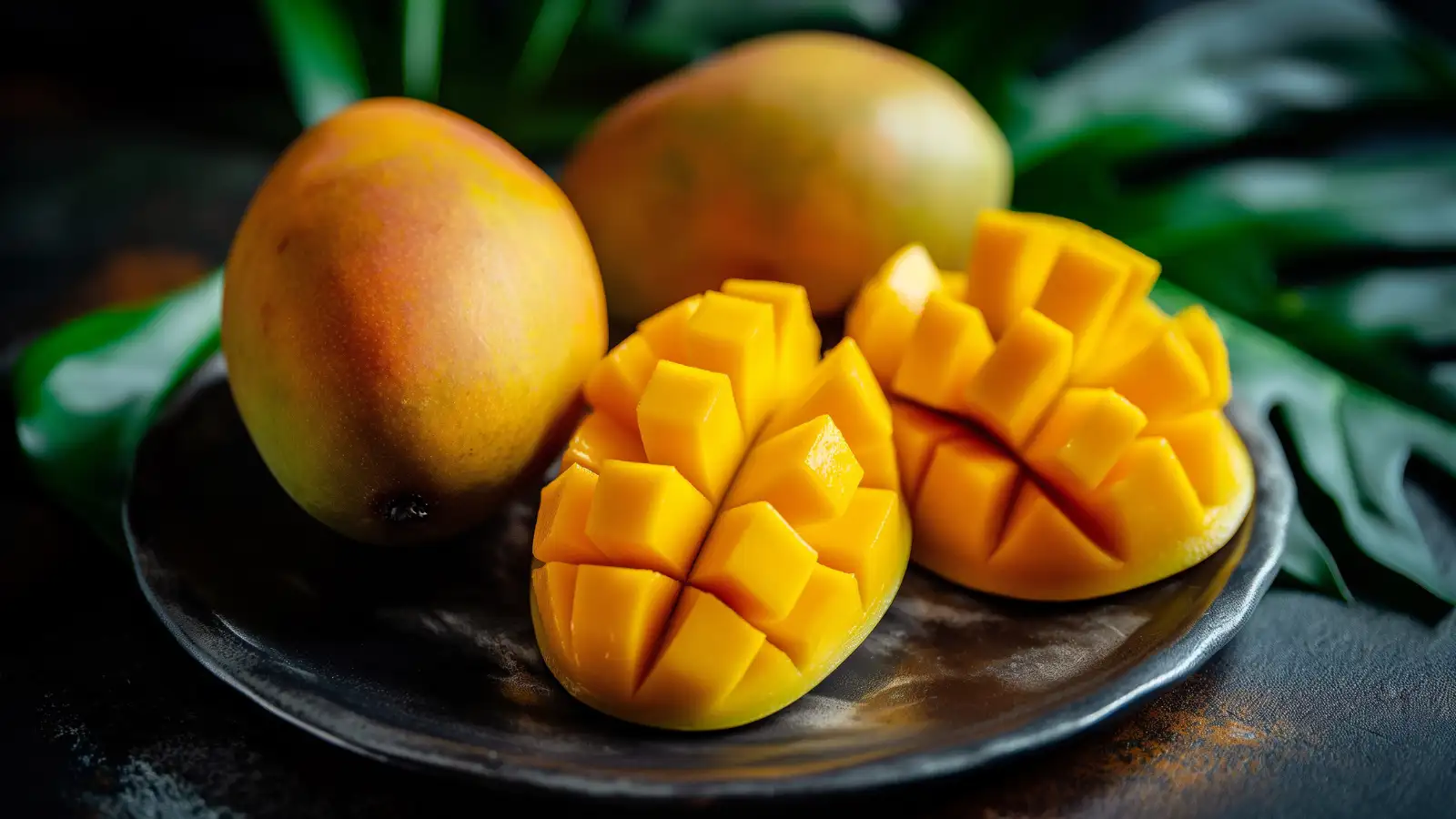
While some commercial sellers may use artificial ripening agents, many people prefer natural ripening methods that preserve the fruit's taste and nutritional value. The good news is that learning how to ripen mangoes naturally at home is simple and requires only a few everyday household items.
Choosing chemical-free mangoes is also a healthier option for families who want to enjoy fresh produce without unnecessary exposure to artificial ripening substances. Natural methods help the fruit retain its nutrients while enhancing its overall quality.
Also Read: 9 Mango Varieties You Must Try This Summer for a Juicy Treat
A ripe mango will usually:
Once fully ripe, mangoes can be refrigerated for several days to maintain freshness.
Mangoes naturally release ethylene gas, which helps trigger the ripening process. The paper bag traps this gas around the fruit, speeding up ripening while allowing enough airflow.
Time Required: 2 to 4 days
The rice helps retain warmth and concentrates the ethylene gas around the fruit, encouraging faster ripening.
Time Required: 2 to 3 days
Also Read: Which Mangoes Are Best For Mango Shakes? Top Varieties To Try This Summer
The newspaper helps maintain a stable environment around the fruit, supporting gradual and even ripening.
Time Required: 3 to 5 days
This method is particularly useful when you need ripe mangoes within a few days.
Time Required: 2 to 4 days
Warm conditions naturally encourage ripening and allow the fruit to mature at its own pace.
Time Required: 4 to 7 days
If you have purchased raw or semi-ripe mangoes, there is no need to rely on artificial methods. Simple techniques such as using a paper bag, storing mangoes in rice, wrapping them in newspaper, or keeping them alongside ripe fruits can help you ripen mangoes naturally at home.
These chemical-free methods ensure better flavour, aroma, and freshness, allowing you to enjoy mangoes exactly as nature intended.
While some commercial sellers may use artificial ripening agents, many people prefer natural ripening methods that preserve the fruit's taste and nutritional value. The good news is that learning how to ripen mangoes naturally at home is simple and requires only a few everyday household items.
Why Natural Ripening Is Better
Natural ripening allows mangoes to mature gradually, helping them develop their full flavour, sweetness, and aroma. Unlike artificially ripened fruit, naturally ripened mangoes often have a richer taste and better texture.Choosing chemical-free mangoes is also a healthier option for families who want to enjoy fresh produce without unnecessary exposure to artificial ripening substances. Natural methods help the fruit retain its nutrients while enhancing its overall quality.
Also Read: 9 Mango Varieties You Must Try This Summer for a Juicy Treat
How To Tell If A Mango Is Ripe
Before enjoying your mangoes, it is important to know the signs of ripeness.A ripe mango will usually:
- Give off a sweet, fruity aroma near the stem
- Feel slightly soft when gently squeezed.
- Develop a deeper colour depending on the variety.
- Have a smooth texture without excessive wrinkles.
Once fully ripe, mangoes can be refrigerated for several days to maintain freshness.
1. Use The Paper Bag Method
One of the easiest and most effective ways to ripen mangoes naturally is by placing them inside a brown paper bag.Mangoes naturally release ethylene gas, which helps trigger the ripening process. The paper bag traps this gas around the fruit, speeding up ripening while allowing enough airflow.
Time Required: 2 to 4 days
2. Store Mangoes In A Container Of Rice
This traditional method has been used for generations. Place the raw mangoes in a container filled with uncooked rice, ensuring they are completely covered.The rice helps retain warmth and concentrates the ethylene gas around the fruit, encouraging faster ripening.
Time Required: 2 to 3 days
Also Read: Which Mangoes Are Best For Mango Shakes? Top Varieties To Try This Summer
3. Wrap Them In Newspaper
Another popular technique is wrapping each mango individually in newspaper and storing them in a warm, dry place.The newspaper helps maintain a stable environment around the fruit, supporting gradual and even ripening.
Time Required: 3 to 5 days
You may also like
- Loans: Are you also taking out a second personal loan to repay an existing one? This strategy could land you in trouble..
- Updating the EPF nominee has become easy; here is how to change the name online from the comfort of your home..
- Malhar & The Sea offers a glimpse of its 2026 edition in Mumbai
- Colours of culture: Transforming India's rich heritage into powerful learning experiences for children
- Canadian woman uses an Indian Thali as a jewellery organiser, and the desis lose it on the internet
4. Keep Them With Bananas Or Other Ripe Fruits
Bananas naturally produce large amounts of ethylene gas. Placing raw mangoes in a basket alongside ripe bananas, apples, or already-ripe mangoes can help accelerate the ripening process.This method is particularly useful when you need ripe mangoes within a few days.
Time Required: 2 to 4 days
5. Leave Them In A Warm Spot
Sometimes the simplest method is the best. Place your mangoes in a clean basket at room temperature in a warm area of your home, away from direct sunlight.Warm conditions naturally encourage ripening and allow the fruit to mature at its own pace.
Time Required: 4 to 7 days
If you have purchased raw or semi-ripe mangoes, there is no need to rely on artificial methods. Simple techniques such as using a paper bag, storing mangoes in rice, wrapping them in newspaper, or keeping them alongside ripe fruits can help you ripen mangoes naturally at home.
These chemical-free methods ensure better flavour, aroma, and freshness, allowing you to enjoy mangoes exactly as nature intended.






More from our partners


Loving Newspoint? Download the app now
