
How to Store Ginger Properly: Easy Ways to Keep Ginger Fresh for Weeks

How to store ginger is a common question for home cooks who want to avoid wasting this versatile kitchen staple. Whether you're adding it to tea, curries, soups or chutneys, fresh ginger can quickly become dry, mouldy or fibrous if stored incorrectly. The good news is that with a few simple storage techniques, you can keep ginger fresh for weeks—or even months - while preserving its flavour, aroma and texture.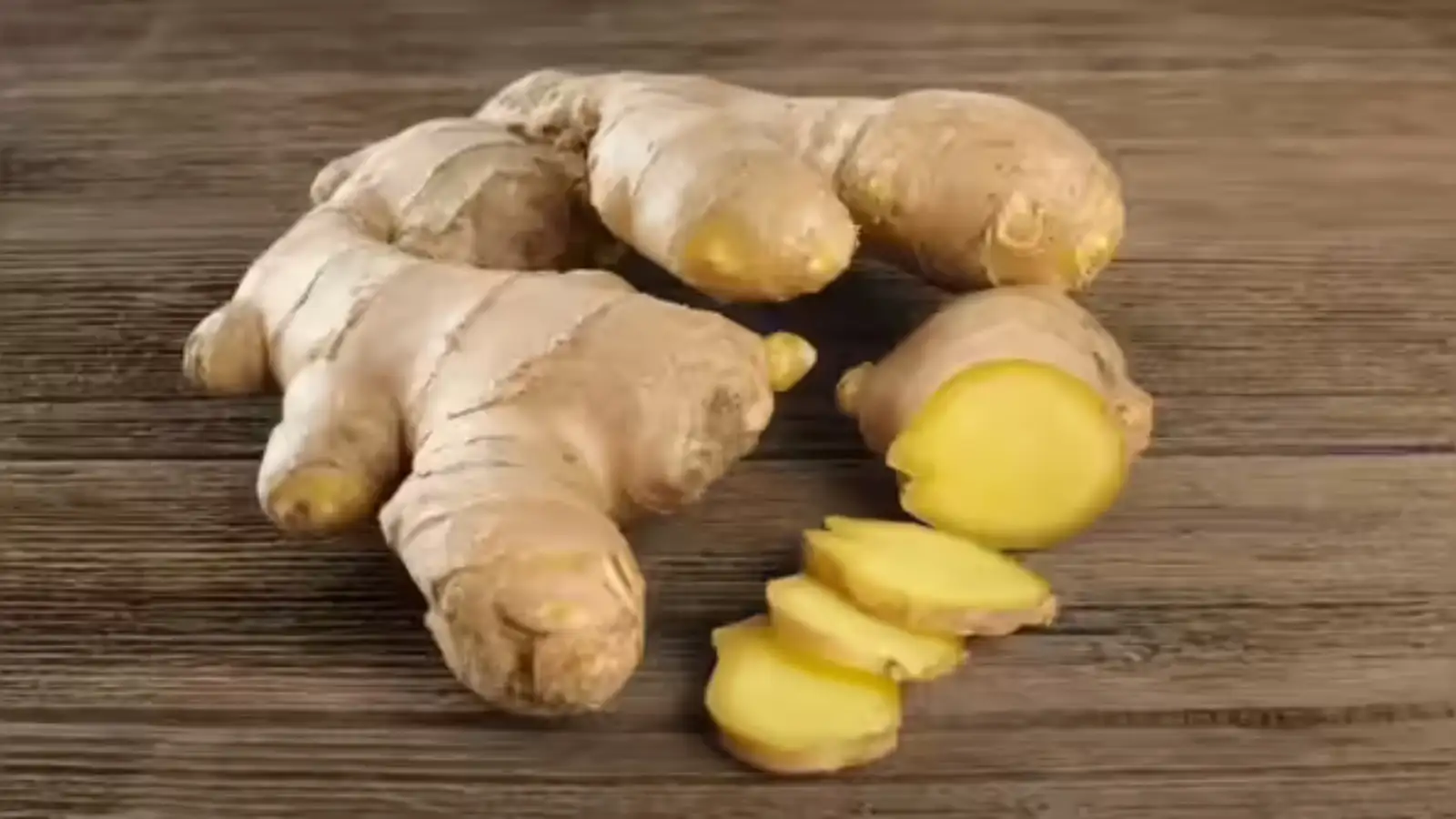
Why Fresh Ginger Doesn't Stay Good for Long
Unlike many root vegetables, ginger is a living rhizome that continues to undergo natural biological changes even after it is harvested. It gradually loses moisture and its internal enzymes keep breaking down its structure, causing the root to become wrinkled, woody and less flavourful over time.
Since ginger is typically sold by weight, it's easy to buy more than you actually need. Choosing smaller quantities and storing them correctly can significantly reduce food waste and help maintain freshness.
The Best Way to Store Ginger in the Refrigerator
If you expect to use ginger within the next two to three weeks, refrigeration is the most effective storage method.
Follow these simple steps:
This method helps prevent both dehydration and excess moisture, two of the biggest reasons ginger spoils. Peeled ginger can also be refrigerated, but it usually has a shorter shelf life because the exposed surface dries out more quickly.
Freeze Ginger for Long-Term Storage
If you won't be using your ginger anytime soon, freezing is an excellent option.
To freeze ginger:
Many home cooks also grate or finely chop ginger before freezing it in small portions or ice cube trays. Frozen ginger can be grated directly into recipes without thawing, making meal preparation quicker and more convenient.
Can You Store Ginger at Room Temperature?
Yes - but only for a short period.
If you plan to use ginger within a day or two, it can safely stay on the kitchen counter. For the best results:
Proper air circulation helps slow moisture build-up, while keeping it away from heat preserves its natural oils and spicy aroma. However, room-temperature storage is not suitable for longer periods.
How to Tell If Ginger Has Gone Bad
Before using stored ginger, check for these common signs of spoilage:
If your ginger shows any of these signs, it's best to discard it rather than use it in cooking.
Other Smart Ways to Preserve Ginger
Besides refrigeration and freezing, there are several methods that can extend ginger's shelf life.
Preserve It in Alcohol
Slices of ginger can be stored in vodka or another neutral spirit. The alcohol acts as a preservative while also creating a ginger-infused liquid that can be used in soups, marinades and stir-fries.
Dry and Grind It
Drying ginger and turning it into powder creates a pantry staple that can remain usable for up to a year when stored in an airtight container.
Pickle It
Pickled ginger is another long-lasting option and makes a delicious accompaniment to a variety of dishes.
Simple Tips to Make Ginger Last Longer
Follow these easy habits to reduce spoilage:
Keeping ginger fresh doesn't require expensive storage containers or special equipment. The key is choosing the right storage method based on how soon you plan to use it. Refrigeration works best for everyday cooking, while freezing is ideal for long-term storage. By protecting ginger from excess moisture, heat and prolonged exposure to air, you can enjoy its fresh flavour and health benefits for weeks instead of watching it spoil within days.
Why Fresh Ginger Doesn't Stay Good for Long
Unlike many root vegetables, ginger is a living rhizome that continues to undergo natural biological changes even after it is harvested. It gradually loses moisture and its internal enzymes keep breaking down its structure, causing the root to become wrinkled, woody and less flavourful over time.
Since ginger is typically sold by weight, it's easy to buy more than you actually need. Choosing smaller quantities and storing them correctly can significantly reduce food waste and help maintain freshness.
The Best Way to Store Ginger in the Refrigerator
If you expect to use ginger within the next two to three weeks, refrigeration is the most effective storage method.
Follow these simple steps:
- Leave the ginger unpeeled whenever possible.
- Wrap it tightly in a paper towel to absorb excess moisture.
- Place it inside a resealable plastic bag or wrap it securely in plastic wrap.
- Store it in the refrigerator's vegetable drawer.
This method helps prevent both dehydration and excess moisture, two of the biggest reasons ginger spoils. Peeled ginger can also be refrigerated, but it usually has a shorter shelf life because the exposed surface dries out more quickly.
Freeze Ginger for Long-Term Storage
If you won't be using your ginger anytime soon, freezing is an excellent option.
To freeze ginger:
- Keep the root unpeeled for maximum freshness.
- Wrap it well and place it inside a freezer-safe bag or airtight container.
- Store it in the freezer for up to three to four months for the best quality.
Many home cooks also grate or finely chop ginger before freezing it in small portions or ice cube trays. Frozen ginger can be grated directly into recipes without thawing, making meal preparation quicker and more convenient.
Can You Store Ginger at Room Temperature?
Yes - but only for a short period.
If you plan to use ginger within a day or two, it can safely stay on the kitchen counter. For the best results:
- Keep it in a cool, dry place.
- Avoid direct sunlight and heat.
- Place it in an open basket or plate instead of sealing it inside a bag.
Proper air circulation helps slow moisture build-up, while keeping it away from heat preserves its natural oils and spicy aroma. However, room-temperature storage is not suitable for longer periods.
How to Tell If Ginger Has Gone Bad
Before using stored ginger, check for these common signs of spoilage:
- Soft or mushy texture
- Wrinkled or heavily shrivelled skin
- Visible mould or dark patches
- Sour or unpleasant smell instead of its fresh spicy aroma
- Grey, brown or unusually dark flesh after cutting it open
If your ginger shows any of these signs, it's best to discard it rather than use it in cooking.
You may also like
- Why Pregnancy Can Calm Some Autoimmune Symptoms
- What's inside Tripura's Clouded Leopard National Park, and why it must be on every wildlife enthusiast's wishlist
- Why Some Women Leak Milk Without Being Pregnant
- Greek proverb of the day: "A society grows great when old men plant trees whose shade they know they shall…" - a powerful lesson on sacrifice, legacy and building for those who come after
- 8th Pay Commission: Fortune smiles on central government employees—will basic salary really rise by 283%?
Other Smart Ways to Preserve Ginger
Besides refrigeration and freezing, there are several methods that can extend ginger's shelf life.
Preserve It in Alcohol
Slices of ginger can be stored in vodka or another neutral spirit. The alcohol acts as a preservative while also creating a ginger-infused liquid that can be used in soups, marinades and stir-fries.
Dry and Grind It
Drying ginger and turning it into powder creates a pantry staple that can remain usable for up to a year when stored in an airtight container.
Pickle It
Pickled ginger is another long-lasting option and makes a delicious accompaniment to a variety of dishes.
Simple Tips to Make Ginger Last Longer
Follow these easy habits to reduce spoilage:
- Buy only the amount you'll realistically use.
- Keep ginger dry and avoid excess moisture.
- Store it away from direct sunlight and heat.
- Refrigerate for short-term use.
- Freeze larger quantities for long-term storage.
- Leave the skin on until you're ready to use it.
Keeping ginger fresh doesn't require expensive storage containers or special equipment. The key is choosing the right storage method based on how soon you plan to use it. Refrigeration works best for everyday cooking, while freezing is ideal for long-term storage. By protecting ginger from excess moisture, heat and prolonged exposure to air, you can enjoy its fresh flavour and health benefits for weeks instead of watching it spoil within days.






More from our partners


Loving Newspoint? Download the app now
