
Planning a Japan Trip? Best Ways to Travel Between Cities

Japan is one of the easiest countries to explore thanks to its world-class transportation network. Whether you are hopping between bustling cities, historic towns, or scenic countryside destinations, there are several convenient ways to travel. Choosing the right mode of transport can help you save time, money, and energy while making the most of your trip.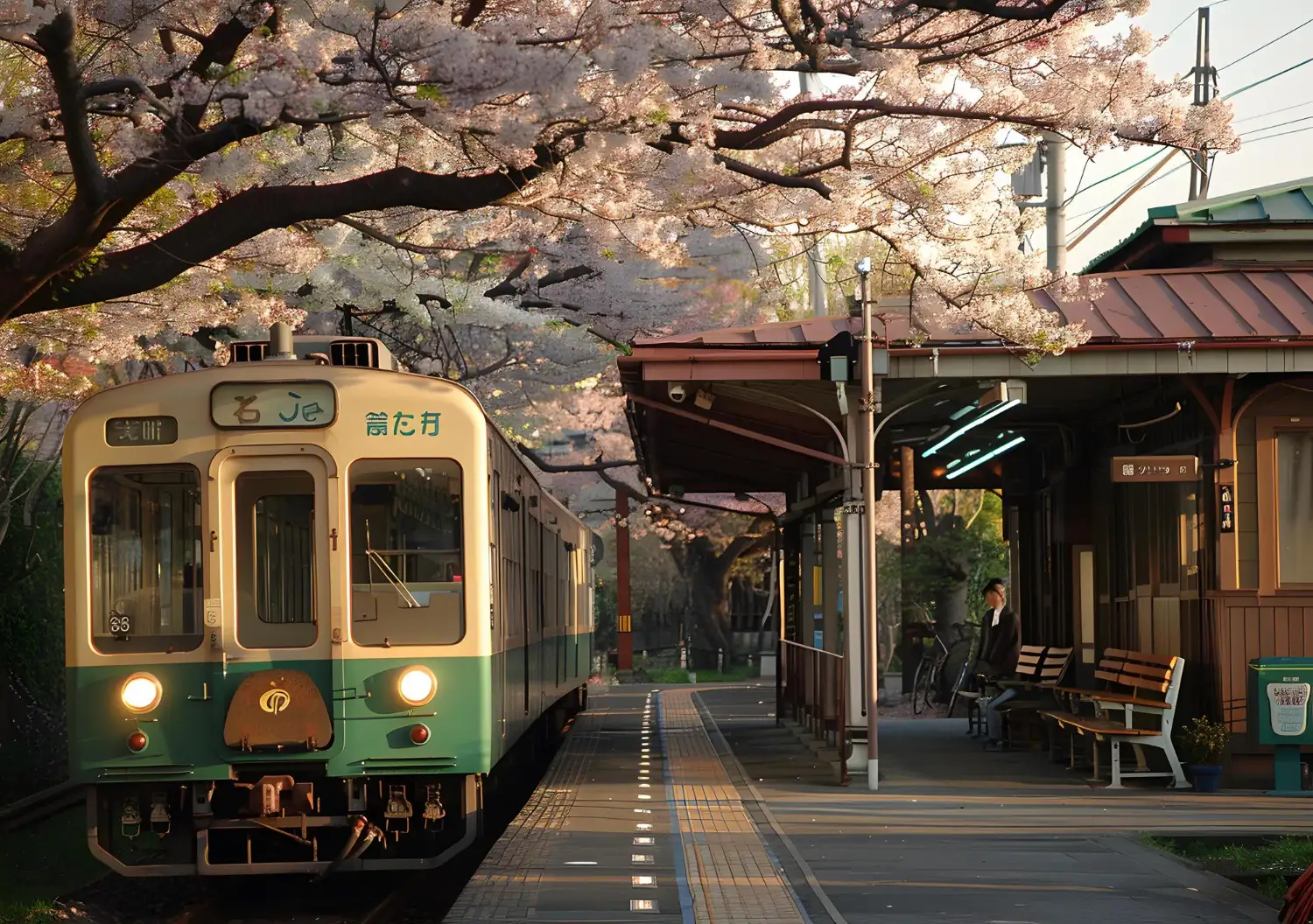
Ride the Shinkansen for Speed and Comfort
The Shinkansen, often called the bullet train, is the fastest and most popular way to travel between major Japanese cities. It connects destinations such as Tokyo, Kyoto, Osaka, Hiroshima, and Fukuoka with impressive speed and punctuality.
The trains are clean, comfortable, and offer spacious seating. For travelers planning multiple long-distance journeys, a rail pass can often provide good value depending on the itinerary.
Use Limited Express and Regional Trains
Not every destination is connected directly by the Shinkansen. Limited Express trains and regional rail services help travelers reach smaller cities, mountain towns, and coastal areas.
These trains offer a great opportunity to enjoy scenic views while traveling. They are often the best option for places such as Nikko, Kanazawa, Takayama, and other regional destinations.
Travel by Domestic Flights for Long Distances
Japan stretches over several islands, making domestic flights useful for longer routes. Flying can save significant travel time when visiting destinations such as Hokkaido in the north or Okinawa in the south.
Major airports are well connected to city centers through trains and buses, making air travel a practical option for travelers covering large distances in a short period.
Consider Highway Buses for Budget Travel
Highway buses are among the most affordable ways to travel between cities in Japan . They connect major urban centers and tourist destinations across the country.
Overnight buses are particularly popular because they save both accommodation costs and daytime sightseeing hours. Modern buses often feature reclining seats, charging ports, and onboard facilities.
Explore Rural Areas by Rental Car
While public transport is excellent in cities, some rural regions are easier to explore by car. Areas such as Hokkaido, parts of Kyushu, and the Japanese Alps often offer greater flexibility for drivers.
A rental car allows travelers to visit remote attractions, scenic routes, and hidden villages that may be difficult to reach by train or bus.
Use Ferries for Island Adventures
Japan has thousands of islands, and ferries remain an important transportation option. They connect mainland cities with islands such as Naoshima, Miyajima, and many destinations in the Seto Inland Sea.
Ferry journeys can also provide beautiful coastal views and a relaxing travel experience.
Take Advantage of City Transit Systems
Once you arrive in a city, local transportation networks make getting around simple. Subways, commuter trains, trams, and buses efficiently connect neighborhoods and attractions.
Rechargeable transit cards can be used across many transportation systems, making travel smooth and convenient.
Plan Around Travel Time
Japan's transport system is highly reliable, but planning ahead remains important. Checking schedules, booking popular routes in advance, and allowing enough transfer time can help ensure a stress-free journey.
Peak travel periods, such as national holidays and cherry blossom season, often require earlier reservations.
Compare Costs Before Booking
Different transportation methods suit different budgets. While bullet trains offer speed and convenience, buses can significantly reduce expenses. Flights may sometimes be competitive on longer routes, especially when booked early.
Comparing options before finalizing your itinerary can help you balance comfort, cost, and travel time.
Choosing the Best Option for Your Trip
There is no single best way to travel across Japan. The ideal choice depends on your itinerary, budget, and travel style. Many visitors combine bullet trains, regional rail services, buses, and occasional flights to create a flexible and efficient travel experience. With careful planning, moving between Japan's fascinating cities can become one of the highlights of the journey itself.
Japan's transportation network makes city-to-city travel remarkably convenient. From the speed of the Shinkansen and the affordability of highway buses to the flexibility of rental cars and domestic flights, travelers have plenty of options. Understanding the strengths of each mode of transport will help you build a smoother, more enjoyable, and memorable Japan adventure.
Ride the Shinkansen for Speed and Comfort
The Shinkansen, often called the bullet train, is the fastest and most popular way to travel between major Japanese cities. It connects destinations such as Tokyo, Kyoto, Osaka, Hiroshima, and Fukuoka with impressive speed and punctuality. The trains are clean, comfortable, and offer spacious seating. For travelers planning multiple long-distance journeys, a rail pass can often provide good value depending on the itinerary.
Use Limited Express and Regional Trains
Not every destination is connected directly by the Shinkansen. Limited Express trains and regional rail services help travelers reach smaller cities, mountain towns, and coastal areas. These trains offer a great opportunity to enjoy scenic views while traveling. They are often the best option for places such as Nikko, Kanazawa, Takayama, and other regional destinations.
Travel by Domestic Flights for Long Distances
Japan stretches over several islands, making domestic flights useful for longer routes. Flying can save significant travel time when visiting destinations such as Hokkaido in the north or Okinawa in the south. Major airports are well connected to city centers through trains and buses, making air travel a practical option for travelers covering large distances in a short period.
Consider Highway Buses for Budget Travel
Highway buses are among the most affordable ways to travel between cities in Japan . They connect major urban centers and tourist destinations across the country. Overnight buses are particularly popular because they save both accommodation costs and daytime sightseeing hours. Modern buses often feature reclining seats, charging ports, and onboard facilities.
Explore Rural Areas by Rental Car
While public transport is excellent in cities, some rural regions are easier to explore by car. Areas such as Hokkaido, parts of Kyushu, and the Japanese Alps often offer greater flexibility for drivers. A rental car allows travelers to visit remote attractions, scenic routes, and hidden villages that may be difficult to reach by train or bus.
Use Ferries for Island Adventures
Japan has thousands of islands, and ferries remain an important transportation option. They connect mainland cities with islands such as Naoshima, Miyajima, and many destinations in the Seto Inland Sea. Ferry journeys can also provide beautiful coastal views and a relaxing travel experience.
Take Advantage of City Transit Systems
Once you arrive in a city, local transportation networks make getting around simple. Subways, commuter trains, trams, and buses efficiently connect neighborhoods and attractions.You may also like
- Psychology explains what your shoe choice secretly says about your personality
- New feature coming to Aadhaar app; update email address for free starting July 1
- 5 Major Rule Changes Starting July 1: Direct Impact on Your Wallet
- SSC CGL Last Date: Today is the final day to fill out the SSC CGL form; the application window closes soon—act fast.
- Zero FIR: Now file an E-Zero FIR from anywhere in the country without leaving home; a major move by the Modi government.
Rechargeable transit cards can be used across many transportation systems, making travel smooth and convenient.
Plan Around Travel Time
Japan's transport system is highly reliable, but planning ahead remains important. Checking schedules, booking popular routes in advance, and allowing enough transfer time can help ensure a stress-free journey. Peak travel periods, such as national holidays and cherry blossom season, often require earlier reservations.
Compare Costs Before Booking
Different transportation methods suit different budgets. While bullet trains offer speed and convenience, buses can significantly reduce expenses. Flights may sometimes be competitive on longer routes, especially when booked early. Comparing options before finalizing your itinerary can help you balance comfort, cost, and travel time.
Choosing the Best Option for Your Trip
There is no single best way to travel across Japan. The ideal choice depends on your itinerary, budget, and travel style. Many visitors combine bullet trains, regional rail services, buses, and occasional flights to create a flexible and efficient travel experience. With careful planning, moving between Japan's fascinating cities can become one of the highlights of the journey itself. Japan's transportation network makes city-to-city travel remarkably convenient. From the speed of the Shinkansen and the affordability of highway buses to the flexibility of rental cars and domestic flights, travelers have plenty of options. Understanding the strengths of each mode of transport will help you build a smoother, more enjoyable, and memorable Japan adventure.






More from our partners


Loving Newspoint? Download the app now
