
How to Wash Leafy Greens Safely During the Monsoon: Easy Tips to Keep Your Food Clean and Fresh

The best way to wash leafy greens safely during the monsoon is more than just giving them a quick rinse under running water. During the rainy season, vegetables such as spinach, coriander, fenugreek, lettuce and other leafy greens often carry mud, tiny insects, pesticide residue and harmful bacteria due to increased moisture and damp conditions. Proper cleaning not only improves hygiene but also helps lower the risk of foodborne illnesses. By following a few simple washing and storage techniques, you can enjoy fresh, nutritious greens without compromising on safety.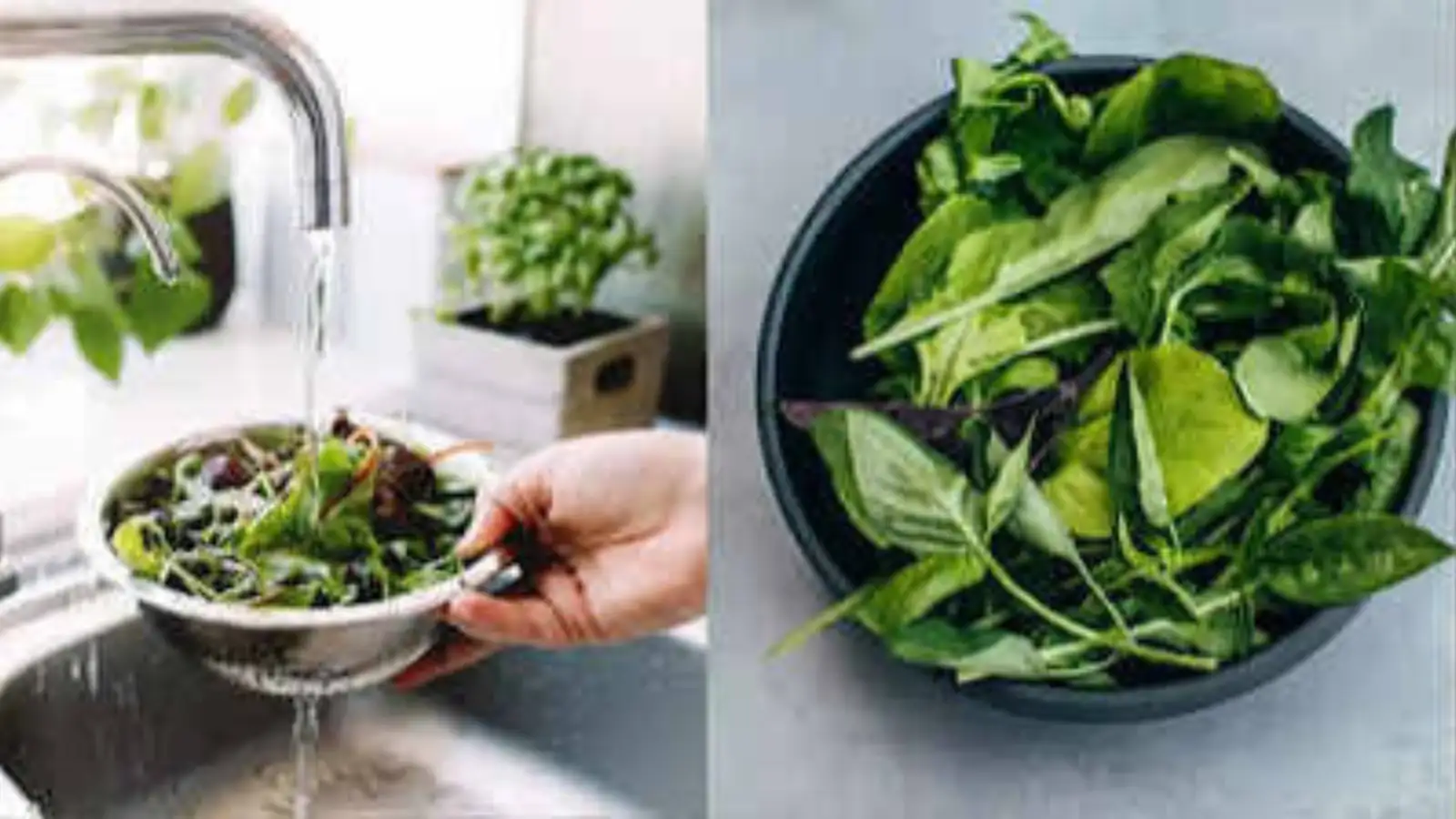
Why Leafy Greens Need Extra Care During the Rainy Season
Monsoon weather creates the perfect environment for bacteria, fungi and insects to thrive. Since leafy vegetables have multiple folds and delicate surfaces, dirt and contaminants can easily get trapped between the leaves. A quick splash of water may remove visible dust, but it often leaves behind hidden impurities.
Taking a little extra time to clean leafy vegetables thoroughly can make your meals healthier and reduce the chances of stomach infections.
Start by Removing Damaged Leaves
Before washing the vegetables, separate the bunch and inspect each leaf carefully. Throw away any leaves that look yellow, slimy, wilted or damaged.
Spoiled leaves can harbour bacteria and may affect the freshness of the remaining greens. Removing them first ensures that only healthy leaves are cleaned and stored.
Wash Thoroughly Under Running Water
Hold the leafy vegetables under cool running water and gently rub each leaf using your fingers. Pay special attention to the folds and stems where mud, sand and tiny insects often hide.
This first rinse helps remove loose dirt and prepares the greens for deeper cleaning.
Soak the Greens in Fresh Water
Fill a large bowl with clean water and immerse the vegetables for two to three minutes. Swirl the leaves gently so that any remaining grit settles at the bottom of the bowl.
If the water becomes cloudy or dirty, drain it and repeat the soaking process with fresh water until the water remains clear. This simple step helps eliminate stubborn particles that running water alone may not remove.
Use a Salt or Vinegar Solution for Better Cleaning
For an extra level of cleanliness, prepare a bowl of water mixed with either one teaspoon of salt or two tablespoons of white vinegar.
Soak the leafy vegetables in this solution for around five to ten minutes. This method may help reduce bacteria and remove tiny insects hiding in the leaves.
After soaking, rinse the vegetables thoroughly under clean running water to wash away any remaining salt or vinegar.
Dry the Leaves Completely Before Storing
Once the vegetables are clean, drain them well using a colander or a salad spinner. Then gently pat the leaves dry with a clean kitchen towel or paper towels.
Removing excess moisture is important because damp leaves tend to spoil faster and may encourage mould growth during storage.
Store Washed Greens the Right Way
If you're storing washed leafy vegetables, wrap them loosely in a clean kitchen towel or paper towel before placing them inside an airtight container or a perforated storage bag in the refrigerator.
The towel absorbs excess moisture, helping the greens stay crisp and fresh for a longer time.
Wash Leafy Vegetables Just Before Cooking Whenever Possible
Although washing vegetables immediately after bringing them home may seem convenient, it's often better to clean leafy greens right before using them.
Wet leaves stored for several days can develop mould and bacteria more easily, causing them to lose freshness and wilt much sooner.
Avoid Using Soap or Detergent on Vegetables
Never wash leafy vegetables with dishwashing liquid, detergent, bleach or other cleaning products. These substances are not designed for food and may leave behind harmful residues.
Clean running water, combined with a salt or vinegar soak when needed, is generally sufficient to clean leafy greens safely.
Leafy vegetables are packed with essential nutrients, but they require extra attention during the monsoon because of the higher risk of contamination. By removing damaged leaves, washing thoroughly under running water, soaking in clean water, using a mild salt or vinegar solution when necessary, drying the greens properly and storing them correctly, you can enjoy fresh and safe vegetables throughout the rainy season. These simple habits go a long way in protecting your family's health while preserving the flavour and quality of your favourite leafy greens.
Why Leafy Greens Need Extra Care During the Rainy Season
Monsoon weather creates the perfect environment for bacteria, fungi and insects to thrive. Since leafy vegetables have multiple folds and delicate surfaces, dirt and contaminants can easily get trapped between the leaves. A quick splash of water may remove visible dust, but it often leaves behind hidden impurities.
Taking a little extra time to clean leafy vegetables thoroughly can make your meals healthier and reduce the chances of stomach infections.
Start by Removing Damaged Leaves
Before washing the vegetables, separate the bunch and inspect each leaf carefully. Throw away any leaves that look yellow, slimy, wilted or damaged.
Spoiled leaves can harbour bacteria and may affect the freshness of the remaining greens. Removing them first ensures that only healthy leaves are cleaned and stored.
Wash Thoroughly Under Running Water
Hold the leafy vegetables under cool running water and gently rub each leaf using your fingers. Pay special attention to the folds and stems where mud, sand and tiny insects often hide.
This first rinse helps remove loose dirt and prepares the greens for deeper cleaning.
Soak the Greens in Fresh Water
Fill a large bowl with clean water and immerse the vegetables for two to three minutes. Swirl the leaves gently so that any remaining grit settles at the bottom of the bowl.
If the water becomes cloudy or dirty, drain it and repeat the soaking process with fresh water until the water remains clear. This simple step helps eliminate stubborn particles that running water alone may not remove.
Use a Salt or Vinegar Solution for Better Cleaning
For an extra level of cleanliness, prepare a bowl of water mixed with either one teaspoon of salt or two tablespoons of white vinegar.
Soak the leafy vegetables in this solution for around five to ten minutes. This method may help reduce bacteria and remove tiny insects hiding in the leaves.
After soaking, rinse the vegetables thoroughly under clean running water to wash away any remaining salt or vinegar.
Dry the Leaves Completely Before Storing
Once the vegetables are clean, drain them well using a colander or a salad spinner. Then gently pat the leaves dry with a clean kitchen towel or paper towels.
Removing excess moisture is important because damp leaves tend to spoil faster and may encourage mould growth during storage.
You may also like
- The biggest monsoon gardening mistakes
- Is Europe's record-breaking hottest June a dire warning for climate change?
- Why monsoon is your balcony garden's golden season
- PM Kisan Scheme: Find out when the ₹2,000 will be credited and which farmers will benefit..
- From The Godfather to Middlemarch: 8 film adaptations that stayed astonishingly close to the books, and why fidelity can make classics feel new again
Store Washed Greens the Right Way
If you're storing washed leafy vegetables, wrap them loosely in a clean kitchen towel or paper towel before placing them inside an airtight container or a perforated storage bag in the refrigerator.
The towel absorbs excess moisture, helping the greens stay crisp and fresh for a longer time.
Wash Leafy Vegetables Just Before Cooking Whenever Possible
Although washing vegetables immediately after bringing them home may seem convenient, it's often better to clean leafy greens right before using them.
Wet leaves stored for several days can develop mould and bacteria more easily, causing them to lose freshness and wilt much sooner.
Avoid Using Soap or Detergent on Vegetables
Never wash leafy vegetables with dishwashing liquid, detergent, bleach or other cleaning products. These substances are not designed for food and may leave behind harmful residues.
Clean running water, combined with a salt or vinegar soak when needed, is generally sufficient to clean leafy greens safely.
Leafy vegetables are packed with essential nutrients, but they require extra attention during the monsoon because of the higher risk of contamination. By removing damaged leaves, washing thoroughly under running water, soaking in clean water, using a mild salt or vinegar solution when necessary, drying the greens properly and storing them correctly, you can enjoy fresh and safe vegetables throughout the rainy season. These simple habits go a long way in protecting your family's health while preserving the flavour and quality of your favourite leafy greens.






Loving Newspoint? Download the app now
