
How To Spot Fake Sweet Potatoes Quickly In 4 Easy Ways

Sweet potatoes are cherished across India for their natural sweetness, fibre, and vitamins. From school snacks to family meals, these tubers are versatile and nutritious. However, recent reports indicate that chemically treated or dyed sweet potatoes are being sold in some markets, raising health concerns. Consuming these could lead to stomach upset, allergic reactions, or worse, particularly for children and elderly individuals.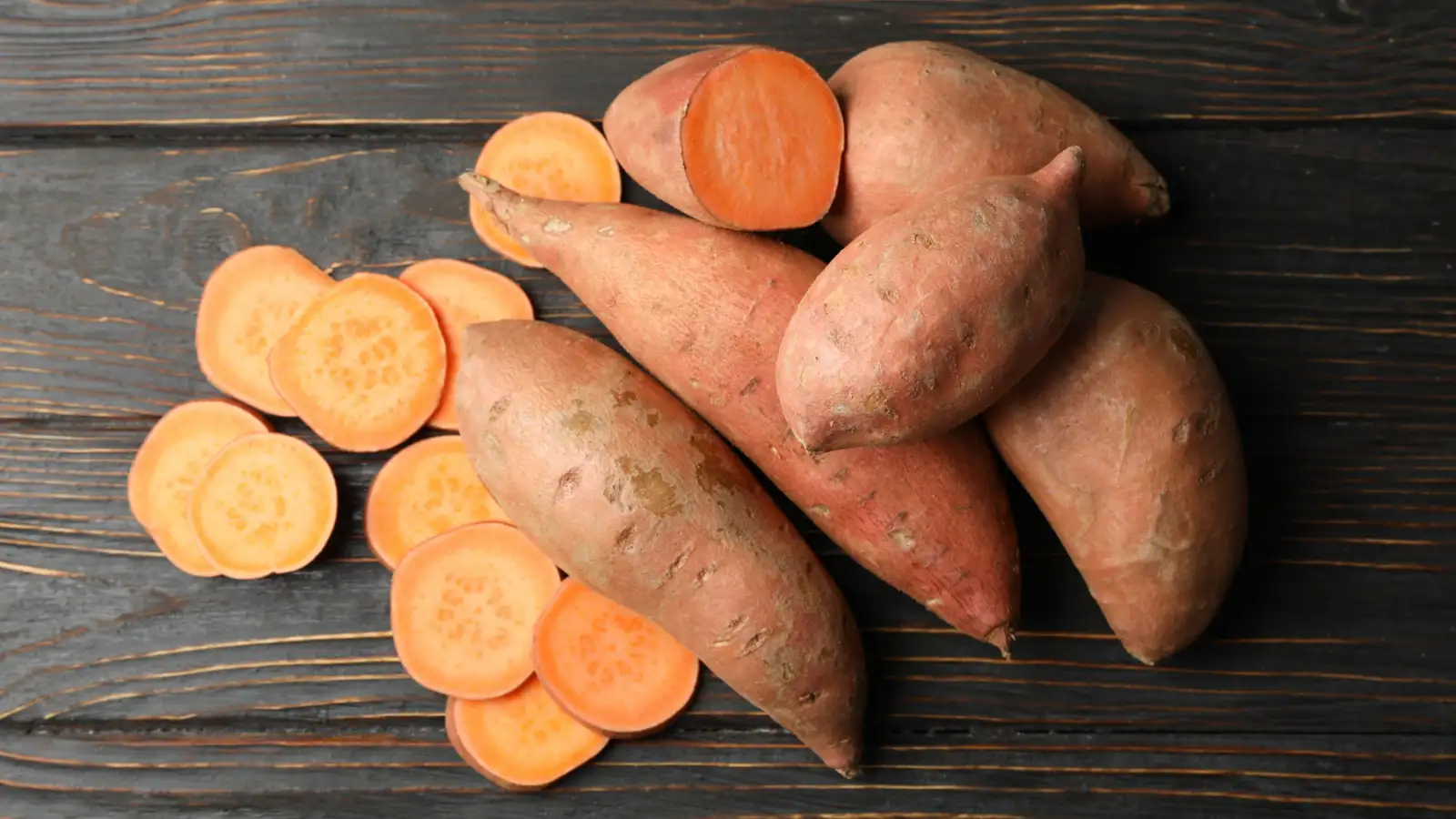
Here are four easy methods to check whether your sweet potatoes are genuine at home:
1. Water Test
Place the sweet potatoes in a clean bowl of water. Observe the water for 2–3 minutes. If it turns red or orange, it may indicate the presence of artificial dyes. Natural sweet potatoes generally do not change the water colour significantly.
2. Boiling Observation
While boiling, watch the water carefully. Fake sweet potatoes may release an unnaturally bright colour, turning the water dark or vivid. In contrast, naturally grown sweet potatoes maintain a subtle colour, even after cooking.
3. Taste Test
Genuine sweet potatoes have a mild, naturally sweet taste. If a sweet potato tastes unusually bitter, or causes slight throat irritation, it could be chemically treated. Never ignore this sign, especially when feeding children.
4. Visual Inspection
Natural sweet potatoes often have soil traces or small surface marks. Avoid overly bright, polished, or uniform tubers. Choosing slightly rough, naturally coloured sweet potatoes is safer and ensures you are buying authentic produce.
Tips for Buying Safe Sweet Potatoes
By following these simple home tests and buying tips, you can enjoy the health benefits of sweet potatoes safely. Stay vigilant, and ensure your family consumes natural, chemical-free food.
Here are four easy methods to check whether your sweet potatoes are genuine at home:
1. Water Test
Place the sweet potatoes in a clean bowl of water. Observe the water for 2–3 minutes. If it turns red or orange, it may indicate the presence of artificial dyes. Natural sweet potatoes generally do not change the water colour significantly.You may also like
- In 1906, San Francisco lost more than 28,000 buildings to earthquake and fire: How the disaster reshaped the city's architecture and changed how America builds for earthquakes
- Why Your Beard Itches So Much and How You Can Finally Stop It
- 7 Things That Make Your Face Look Puffy Every Morning When You Rise
- The God Who Sleeps—and the Age That Cannot
- Priyanka Chopra's mother swears by this DIY mehendi hack for shinier and softer locks
2. Boiling Observation
While boiling, watch the water carefully. Fake sweet potatoes may release an unnaturally bright colour, turning the water dark or vivid. In contrast, naturally grown sweet potatoes maintain a subtle colour, even after cooking. 3. Taste Test
Genuine sweet potatoes have a mild, naturally sweet taste. If a sweet potato tastes unusually bitter, or causes slight throat irritation, it could be chemically treated. Never ignore this sign, especially when feeding children.4. Visual Inspection
Natural sweet potatoes often have soil traces or small surface marks. Avoid overly bright, polished, or uniform tubers. Choosing slightly rough, naturally coloured sweet potatoes is safer and ensures you are buying authentic produce. Tips for Buying Safe Sweet Potatoes
- Prefer tubers from trusted vendors or organic stores.
- Avoid unnaturally shiny or vividly coloured sweet potatoes.
- Check for natural imperfections and moderate colouring.
By following these simple home tests and buying tips, you can enjoy the health benefits of sweet potatoes safely. Stay vigilant, and ensure your family consumes natural, chemical-free food.






Loving Newspoint? Download the app now
