
Interesting Facts About Volcanoes That May Surprise You

Volcanoes are among Earth's most powerful natural features. They have shaped continents, created islands, influenced climate, and fascinated people for thousands of years. While volcanic eruptions can be destructive, they also play an essential role in building new land and supporting ecosystems. Here are some incredible facts about volcanoes that reveal just how remarkable these geological wonders are.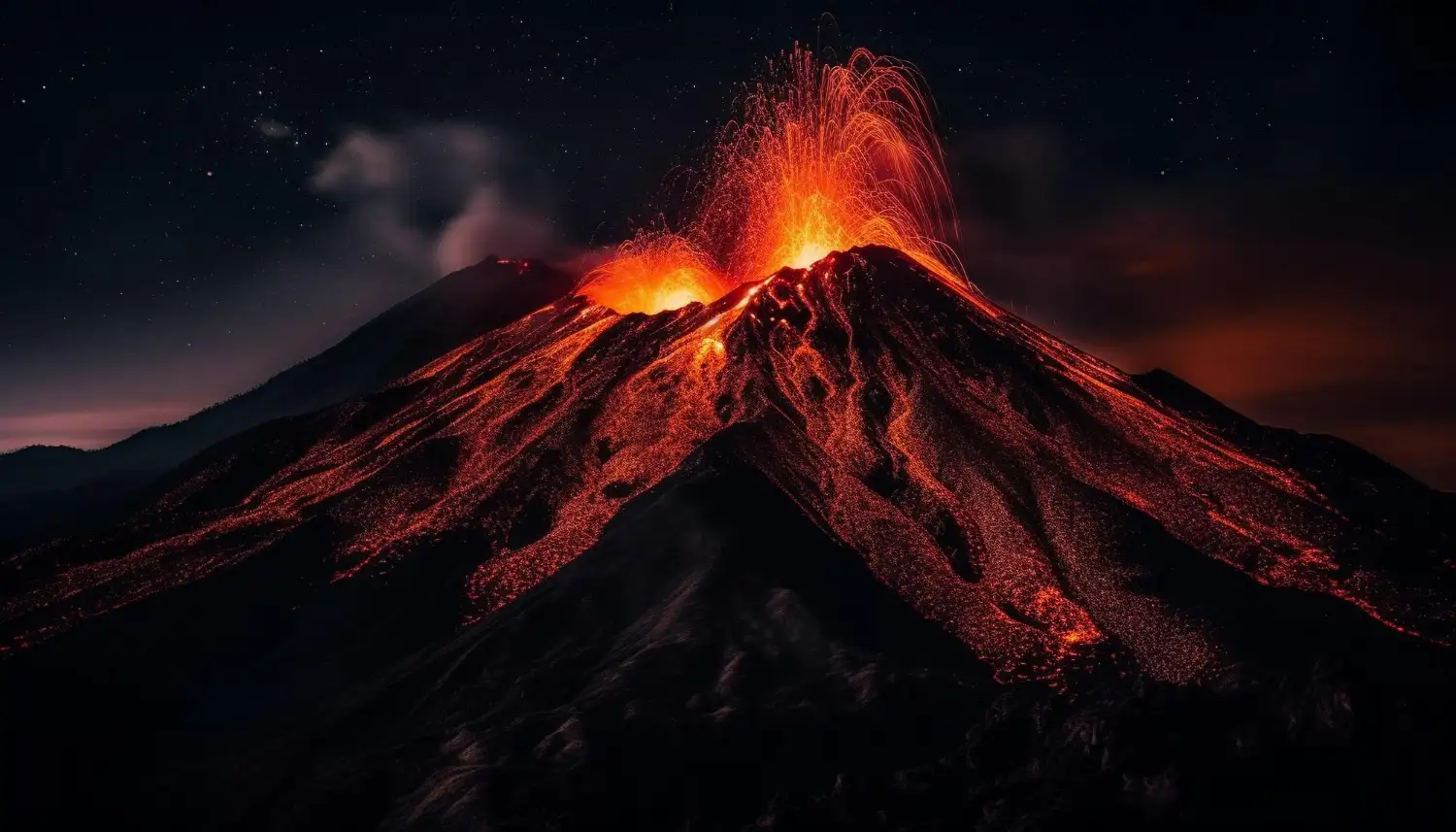
Volcanoes Are Openings in Earth's Crust
A volcano is an opening in Earth's crust through which molten rock, known as magma, along with gases and ash, reaches the surface. Once magma erupts, it is called lava. Over time, repeated eruptions can build mountains, plateaus, and even entirely new islands.
Most Volcanoes Are Found Along Plate Boundaries
The majority of the world's active volcanoes are located where Earth's tectonic plates meet. One of the best-known volcanic regions is the Pacific Ring of Fire, a horseshoe-shaped zone surrounding much of the Pacific Ocean. It contains around 75% of the world's active volcanoes.
There Are More Volcanoes Underwater Than on Land
Most of Earth's volcanic activity takes place beneath the oceans. Thousands of underwater volcanoes lie along the global mid-ocean ridge system, where tectonic plates slowly move apart. These submarine volcanoes continuously create new oceanic crust.
Volcanoes Can Create New Land
Some volcanic eruptions build new islands when lava accumulates above sea level. This process has formed many islands across the world, including parts of Hawaii, which continue to grow through volcanic activity over long geological timescales.
Not Every Volcano Erupts Explosively
Volcanic eruptions vary greatly. Some volcanoes produce gentle lava flows that move steadily across the landscape, while others generate powerful explosions that send ash, gas, and volcanic rocks high into the atmosphere. The style of an eruption depends largely on the magma's composition and gas content.
Lava Is Extremely Hot
Fresh lava typically ranges from about 700°C to 1,200°C (1,300°F to 2,200°F). Despite its intense heat, lava often flows slowly enough in some eruptions for people to move away safely, although its speed and behavior vary depending on the type of eruption and terrain.
Volcanic Ash Is Not Like Fireplace Ash
Volcanic ash is made of tiny fragments of rock, minerals, and volcanic glass. Unlike the soft ash produced by burning wood, volcanic ash is abrasive and can damage machinery, affect air quality, reduce visibility, and disrupt air travel.
Supervolcanoes Can Produce Massive Eruptions
A supervolcano is capable of producing an exceptionally large eruption, ejecting more than 1,000 cubic kilometres of material. Such eruptions are extremely rare but can have widespread environmental effects. Fortunately, no supervolcano is expected to erupt in the immediate future based on current scientific monitoring.
Volcanoes Release Valuable Minerals
Volcanic regions are often rich in minerals such as copper, gold, silver, sulfur, and other economically important resources. Over millions of years, volcanic activity has helped create many of the mineral deposits that people mine today.
Volcanic Soil Is Highly Fertile
As volcanic rocks break down, they release nutrients into the soil. This makes many volcanic regions excellent for agriculture. Crops such as coffee, grapes, bananas, and vegetables are commonly grown in areas with volcanic soil.
Some Volcanoes Stay Dormant for Centuries
A dormant volcano is not currently erupting but may erupt again in the future. Some volcanoes remain quiet for hundreds or even thousands of years before becoming active once more, which is why scientists continuously monitor many volcanic regions.
Volcanoes Can Affect the Global Climate
Large volcanic eruptions can inject sulfur dioxide into the upper atmosphere, where it forms tiny sulfate particles that reflect some sunlight back into space. This can temporarily cool global temperatures for months or even a few years. However, volcanoes are not the main driver of today's long-term global warming.
Scientists Closely Monitor Active Volcanoes
Modern volcano monitoring uses earthquakes, ground deformation, satellite observations, gas measurements, and thermal imaging to detect signs of rising magma. Although eruptions cannot be predicted with exact certainty, monitoring helps improve eruption forecasts and provides valuable time for evacuations.
The Tallest Volcano Is Different From the Highest Mountain
Measured from its underwater base, Mauna Kea in Hawaii rises over 10,000 metres, making it taller than Mount Everest in terms of total height from base to summit. However, Mount Everest remains the highest mountain above sea level.
Volcanoes Exist Beyond Earth
Volcanic activity is not unique to our planet. Scientists have identified volcanoes or evidence of volcanic activity on several other worlds, including Mars, Venus, and Jupiter's moon Io. Olympus Mons on Mars is the largest known volcano in the Solar System.
Volcanoes are far more than fiery mountains. They build landscapes, enrich soils, create islands, and provide scientists with valuable clues about Earth's interior. Although they can be dangerous, advances in geological research and monitoring continue to improve our understanding of these extraordinary natural phenomena, helping communities prepare for future eruptions while revealing the dynamic forces that shape our planet.
Disclaimer: This article is intended for general informational purposes only and is based on information available from publicly accessible online sources. While every effort has been made to present accurate and up-to-date information, NewsPoint does not independently verify all the facts or claims mentioned. Readers are encouraged to consult reliable scientific sources or official publications for detailed and authoritative information.
Volcanoes Are Openings in Earth's Crust
A volcano is an opening in Earth's crust through which molten rock, known as magma, along with gases and ash, reaches the surface. Once magma erupts, it is called lava. Over time, repeated eruptions can build mountains, plateaus, and even entirely new islands. Most Volcanoes Are Found Along Plate Boundaries
The majority of the world's active volcanoes are located where Earth's tectonic plates meet. One of the best-known volcanic regions is the Pacific Ring of Fire, a horseshoe-shaped zone surrounding much of the Pacific Ocean. It contains around 75% of the world's active volcanoes.There Are More Volcanoes Underwater Than on Land
Most of Earth's volcanic activity takes place beneath the oceans. Thousands of underwater volcanoes lie along the global mid-ocean ridge system, where tectonic plates slowly move apart. These submarine volcanoes continuously create new oceanic crust. Volcanoes Can Create New Land
Some volcanic eruptions build new islands when lava accumulates above sea level. This process has formed many islands across the world, including parts of Hawaii, which continue to grow through volcanic activity over long geological timescales.Not Every Volcano Erupts Explosively
Volcanic eruptions vary greatly. Some volcanoes produce gentle lava flows that move steadily across the landscape, while others generate powerful explosions that send ash, gas, and volcanic rocks high into the atmosphere. The style of an eruption depends largely on the magma's composition and gas content. Lava Is Extremely Hot
Fresh lava typically ranges from about 700°C to 1,200°C (1,300°F to 2,200°F). Despite its intense heat, lava often flows slowly enough in some eruptions for people to move away safely, although its speed and behavior vary depending on the type of eruption and terrain. Volcanic Ash Is Not Like Fireplace Ash
Volcanic ash is made of tiny fragments of rock, minerals, and volcanic glass. Unlike the soft ash produced by burning wood, volcanic ash is abrasive and can damage machinery, affect air quality, reduce visibility, and disrupt air travel. Supervolcanoes Can Produce Massive Eruptions
A supervolcano is capable of producing an exceptionally large eruption, ejecting more than 1,000 cubic kilometres of material. Such eruptions are extremely rare but can have widespread environmental effects. Fortunately, no supervolcano is expected to erupt in the immediate future based on current scientific monitoring.You may also like
- Grooming Tips: How to look classy and attractive without spending a fortune? 5 surefire grooming tips
- Hair Wash During Periods: Does washing your hair on the first day of your period really increase bleeding? What do doctors say?
- Palamu Mustard Oil Incident: How dangerous is adulterated mustard oil, which took the lives of 6 people in Jharkhand?
- Quit Smoking: If you adopt these 4 methods, you will quit smoking immediately and will not touch it even by mistake.
- This 69-year-old paralysed man cleaned a river in silence until a young photographer noticed him
Volcanoes Release Valuable Minerals
Volcanic regions are often rich in minerals such as copper, gold, silver, sulfur, and other economically important resources. Over millions of years, volcanic activity has helped create many of the mineral deposits that people mine today. Volcanic Soil Is Highly Fertile
As volcanic rocks break down, they release nutrients into the soil. This makes many volcanic regions excellent for agriculture. Crops such as coffee, grapes, bananas, and vegetables are commonly grown in areas with volcanic soil. Some Volcanoes Stay Dormant for Centuries
A dormant volcano is not currently erupting but may erupt again in the future. Some volcanoes remain quiet for hundreds or even thousands of years before becoming active once more, which is why scientists continuously monitor many volcanic regions. Volcanoes Can Affect the Global Climate
Large volcanic eruptions can inject sulfur dioxide into the upper atmosphere, where it forms tiny sulfate particles that reflect some sunlight back into space. This can temporarily cool global temperatures for months or even a few years. However, volcanoes are not the main driver of today's long-term global warming. Scientists Closely Monitor Active Volcanoes
Modern volcano monitoring uses earthquakes, ground deformation, satellite observations, gas measurements, and thermal imaging to detect signs of rising magma. Although eruptions cannot be predicted with exact certainty, monitoring helps improve eruption forecasts and provides valuable time for evacuations.The Tallest Volcano Is Different From the Highest Mountain
Measured from its underwater base, Mauna Kea in Hawaii rises over 10,000 metres, making it taller than Mount Everest in terms of total height from base to summit. However, Mount Everest remains the highest mountain above sea level. Volcanoes Exist Beyond Earth
Volcanic activity is not unique to our planet. Scientists have identified volcanoes or evidence of volcanic activity on several other worlds, including Mars, Venus, and Jupiter's moon Io. Olympus Mons on Mars is the largest known volcano in the Solar System. Volcanoes are far more than fiery mountains. They build landscapes, enrich soils, create islands, and provide scientists with valuable clues about Earth's interior. Although they can be dangerous, advances in geological research and monitoring continue to improve our understanding of these extraordinary natural phenomena, helping communities prepare for future eruptions while revealing the dynamic forces that shape our planet.
Disclaimer: This article is intended for general informational purposes only and is based on information available from publicly accessible online sources. While every effort has been made to present accurate and up-to-date information, NewsPoint does not independently verify all the facts or claims mentioned. Readers are encouraged to consult reliable scientific sources or official publications for detailed and authoritative information.






Loving Newspoint? Download the app now
