
Indonesia Tribal Communities That Still Follow Ancient Traditions

Indonesia tribal communities offer a fascinating glimpse into traditions that have survived for centuries despite the rapid pace of modernisation. Spread across thousands of islands, Indonesia is home to numerous indigenous groups that continue to preserve their unique customs, rituals, languages and lifestyles. While cities across the country embrace technology and global influences, these communities remain deeply connected to their ancestral heritage, providing an extraordinary window into the past.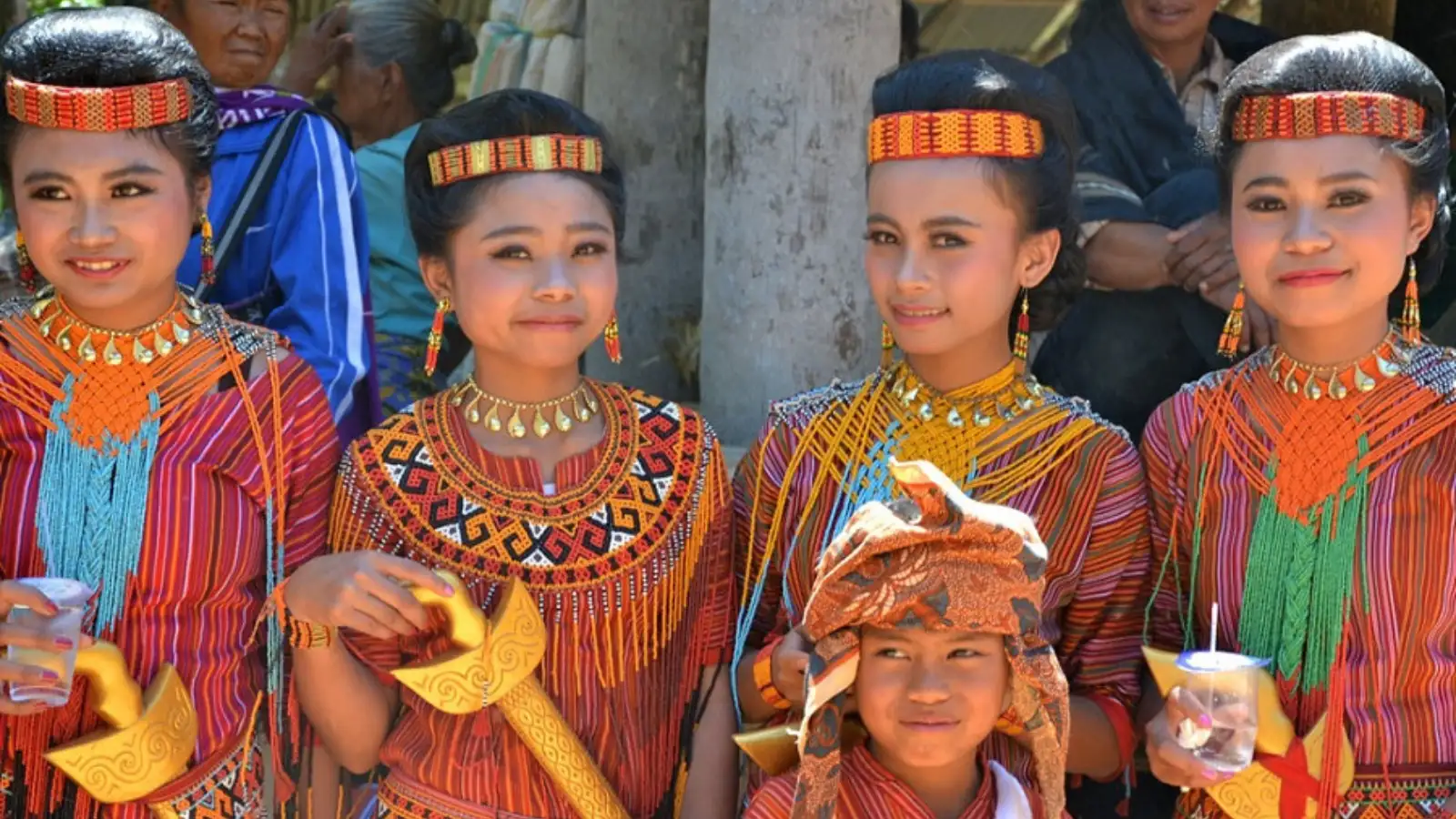
The Rich Cultural Diversity of Indonesia
Indonesia is one of the most culturally diverse nations in the world. With more than 17,000 islands and hundreds of ethnic groups, the country boasts an impressive tapestry of traditions and beliefs. Many indigenous communities have managed to safeguard their cultural identity by passing down customs through generations, ensuring that ancient practices remain alive even today.
Baduy: Guardians of Simplicity and Tradition
Nestled in the forests of West Java, the Baduy people are known for their commitment to a simple and self-sufficient way of life. The inner Baduy community follows strict traditional rules that limit contact with modern technology and outside influences. Their daily lives revolve around farming, craftsmanship and maintaining harmony with nature.
Visitors are often struck by the community’s dedication to preserving ancestral values, which have remained largely unchanged for centuries.
Toraja: A Culture Defined by Elaborate Rituals
The Toraja people of South Sulawesi are internationally recognised for their distinctive funeral ceremonies and unique architectural style. Their traditional houses, known as Tongkonan, feature dramatic curved roofs and serve as important cultural symbols.
For the Toraja community, ceremonies honouring ancestors hold immense significance. These rituals reflect a deep respect for family heritage and are among the most remarkable cultural traditions found anywhere in the world.
Mentawai: Living in Harmony with Nature
Located on the Mentawai Islands off the western coast of Sumatra, the Mentawai people maintain a close relationship with the natural environment. Traditional lifestyles include hunting, fishing and gathering resources from the surrounding forests.
Many community members continue to practise age-old customs, including traditional tattooing and indigenous healing methods. Their way of life highlights a strong connection between cultural identity and environmental stewardship.
Dani Tribe : Preserving Highland Traditions
The Dani people inhabit the mountainous regions of Papua and are known for their rich cultural heritage. Agriculture remains central to their livelihood, with sweet potato cultivation playing an important role in daily life.
Traditional festivals, dances and ceremonies continue to bring communities together, showcasing customs that have been preserved for generations. These celebrations offer valuable insights into the tribe’s social and spiritual traditions.
Why These Indigenous Communities Matter
Indonesia’s tribal groups represent living examples of cultural resilience. Their traditions help preserve languages, knowledge systems and practices that might otherwise disappear. As globalisation continues to influence societies worldwide, these communities demonstrate the importance of maintaining cultural diversity and respecting indigenous heritage .
Efforts to support and protect tribal cultures are increasingly important, ensuring that future generations can continue to learn from these unique ways of life.
The indigenous communities of Indonesia stand as remarkable custodians of ancient traditions . From the secluded Baduy settlements and the ceremonial culture of the Toraja to the nature-focused Mentawai and the resilient Dani people, each group contributes to the country’s rich cultural mosaic. Their enduring customs offer a powerful reminder that history can remain alive through the people who continue to practise and celebrate it every day.
The Rich Cultural Diversity of Indonesia
Indonesia is one of the most culturally diverse nations in the world. With more than 17,000 islands and hundreds of ethnic groups, the country boasts an impressive tapestry of traditions and beliefs. Many indigenous communities have managed to safeguard their cultural identity by passing down customs through generations, ensuring that ancient practices remain alive even today.
Baduy: Guardians of Simplicity and Tradition
Nestled in the forests of West Java, the Baduy people are known for their commitment to a simple and self-sufficient way of life. The inner Baduy community follows strict traditional rules that limit contact with modern technology and outside influences. Their daily lives revolve around farming, craftsmanship and maintaining harmony with nature.
Visitors are often struck by the community’s dedication to preserving ancestral values, which have remained largely unchanged for centuries.
Toraja: A Culture Defined by Elaborate Rituals
The Toraja people of South Sulawesi are internationally recognised for their distinctive funeral ceremonies and unique architectural style. Their traditional houses, known as Tongkonan, feature dramatic curved roofs and serve as important cultural symbols.
You may also like
- Gentle Parenting vs Permissive Parenting: What's the Difference?
- 5 Major Money Changes to Watch in June 2026: RBI Policy, Tax Deadlines, LPG Prices and More
- SBI Annuity Deposit Scheme: Earn a Fixed Monthly Income from a One-Time Investment
- 353 cadets cross the Antim Pag at NDA's 150th passing out parade
- BOBCARD Travel Deals: Get Up to ₹8,000 Off on Flights and Save 20% on Hotel Bookings
For the Toraja community, ceremonies honouring ancestors hold immense significance. These rituals reflect a deep respect for family heritage and are among the most remarkable cultural traditions found anywhere in the world.
Mentawai: Living in Harmony with Nature
Located on the Mentawai Islands off the western coast of Sumatra, the Mentawai people maintain a close relationship with the natural environment. Traditional lifestyles include hunting, fishing and gathering resources from the surrounding forests.
Many community members continue to practise age-old customs, including traditional tattooing and indigenous healing methods. Their way of life highlights a strong connection between cultural identity and environmental stewardship.
Dani Tribe : Preserving Highland Traditions
The Dani people inhabit the mountainous regions of Papua and are known for their rich cultural heritage. Agriculture remains central to their livelihood, with sweet potato cultivation playing an important role in daily life.
Traditional festivals, dances and ceremonies continue to bring communities together, showcasing customs that have been preserved for generations. These celebrations offer valuable insights into the tribe’s social and spiritual traditions.
Why These Indigenous Communities Matter
Indonesia’s tribal groups represent living examples of cultural resilience. Their traditions help preserve languages, knowledge systems and practices that might otherwise disappear. As globalisation continues to influence societies worldwide, these communities demonstrate the importance of maintaining cultural diversity and respecting indigenous heritage .
Efforts to support and protect tribal cultures are increasingly important, ensuring that future generations can continue to learn from these unique ways of life.
The indigenous communities of Indonesia stand as remarkable custodians of ancient traditions . From the secluded Baduy settlements and the ceremonial culture of the Toraja to the nature-focused Mentawai and the resilient Dani people, each group contributes to the country’s rich cultural mosaic. Their enduring customs offer a powerful reminder that history can remain alive through the people who continue to practise and celebrate it every day.






More from our partners


Loving Newspoint? Download the app now
