
Why Honey Is One of Nature's Most Amazing Foods

Honey has been enjoyed by humans for thousands of years, not just for its natural sweetness but also for its remarkable qualities. Made by honeybees from flower nectar, this golden liquid has a fascinating story behind every drop. While honey is a common kitchen staple, there are many surprising facts about it that most people don't know. Here are some amazing and scientifically accurate facts about honey.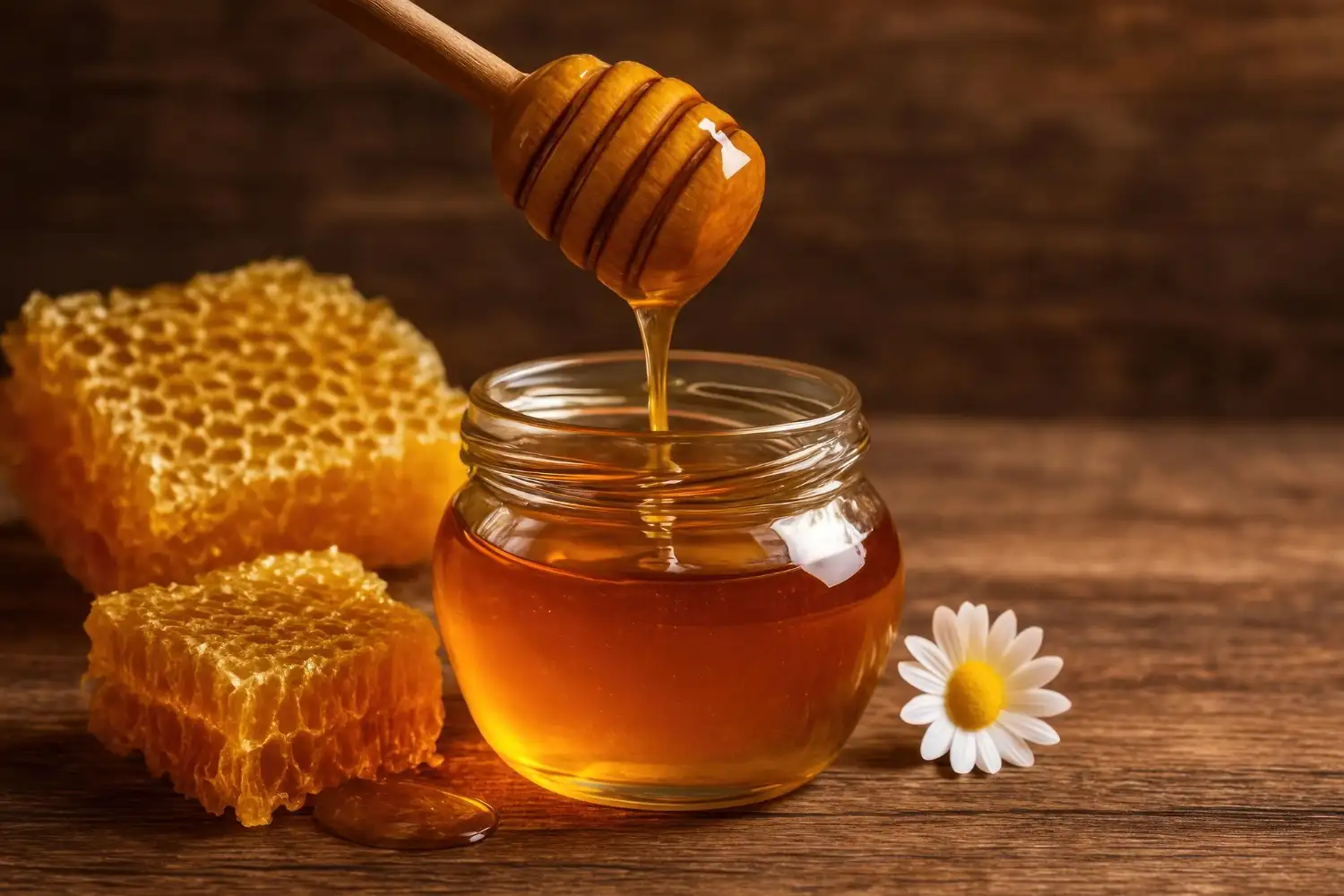
1. Honey Is Made Through a Remarkable Process
Honey begins as nectar collected by worker bees from flowering plants. The bees store the nectar in a special "honey stomach" before bringing it back to the hive. There, the nectar is passed from bee to bee, mixed with natural enzymes, and then stored in honeycomb cells. Bees fan their wings to reduce the water content, turning the nectar into thick, long-lasting honey.
2. Honey Can Last for an Extremely Long Time
One of honey's most fascinating qualities is its impressive shelf life. Pure, properly stored honey can remain edible for many years because it contains very little water and is naturally acidic, making it difficult for most bacteria and microorganisms to grow. Over time, honey may crystallize, but this is a natural process and does not mean it has spoiled.
3. The Flavor Depends on the Flowers
Not all honey tastes the same. The flavor, color, and aroma depend on the type of flowers the bees visit. Honey made from clover, acacia, eucalyptus, mustard, or wildflowers can each have distinct characteristics. This is why honey varieties differ from one region to another.
4. Bees Work Hard for Every Spoonful
Producing honey takes an incredible amount of teamwork. Worker bees visit thousands of flowers to collect nectar, and an entire colony works together to produce honey. The honey stored in the hive serves as the bees' primary food source, especially during colder months or when flowers are scarce.
5. Honey Naturally Crystallizes
If your honey becomes thick or grainy, there's no need to worry. Crystallization is a completely natural process that happens when the glucose in honey forms tiny crystals. The speed of crystallization depends on the type of honey and storage conditions. Gently warming the jar in warm (not boiling) water can return it to a liquid state.
6. Honey Is Mostly Natural Sugars
Honey is made up mainly of the natural sugars fructose and glucose, along with small amounts of water, minerals, vitamins, amino acids, and antioxidants. Although it contains some beneficial compounds, it is still a form of added sugar and is best enjoyed in moderation as part of a balanced diet.
7. Bees Communicate Through the "Waggle Dance"
Honeybees perform a fascinating movement called the waggle dance to tell other bees where good sources of nectar are located. The direction and length of the dance help other worker bees locate flowers efficiently, improving the colony's ability to gather nectar.
8. Honey's Color Can Vary Widely
Honey ranges in color from almost transparent to dark amber. The color depends on the floral source rather than quality. Lighter honeys often have a milder flavor, while darker varieties may have a stronger, richer taste. Both can be excellent choices depending on personal preference.
9. Honey Should Not Be Given to Babies Under One Year
Although honey is safe for most older children and adults, it should never be given to infants younger than 12 months. Honey can occasionally contain spores of Clostridium botulinum, which an infant's developing digestive system cannot safely handle. After one year of age, the risk is greatly reduced.
10. Bees Produce More Honey Than They Need
A healthy honeybee colony often produces more honey than it requires for survival. Responsible beekeepers harvest only the surplus honey, leaving enough behind for the bees to feed themselves throughout periods when nectar is unavailable.
11. Honey Has Been Used for Thousands of Years
Archaeological evidence shows that humans have collected and consumed honey since prehistoric times. Ancient civilizations, including those in Egypt, Greece, and India, valued honey as a food and used it in traditional practices, religious ceremonies, and preservation.
12. Every Jar Reflects Nature
Factors such as climate, season, soil, rainfall, and the variety of flowering plants all influence the final taste, aroma, and appearance of honey. That's why even honey from the same region may vary slightly from one harvest to another, making each batch unique.
Honey is far more than a natural sweetener. From the extraordinary teamwork of honeybees to the wide variety of flavors and colors found around the world, it is one of nature's most fascinating foods. Whether you drizzle it over toast, stir it into tea, or use it in cooking, every spoonful carries a remarkable story of science, nature, and the incredible work of bees.
1. Honey Is Made Through a Remarkable Process
Honey begins as nectar collected by worker bees from flowering plants. The bees store the nectar in a special "honey stomach" before bringing it back to the hive. There, the nectar is passed from bee to bee, mixed with natural enzymes, and then stored in honeycomb cells. Bees fan their wings to reduce the water content, turning the nectar into thick, long-lasting honey. 2. Honey Can Last for an Extremely Long Time
One of honey's most fascinating qualities is its impressive shelf life. Pure, properly stored honey can remain edible for many years because it contains very little water and is naturally acidic, making it difficult for most bacteria and microorganisms to grow. Over time, honey may crystallize, but this is a natural process and does not mean it has spoiled.3. The Flavor Depends on the Flowers
Not all honey tastes the same. The flavor, color, and aroma depend on the type of flowers the bees visit. Honey made from clover, acacia, eucalyptus, mustard, or wildflowers can each have distinct characteristics. This is why honey varieties differ from one region to another. 4. Bees Work Hard for Every Spoonful
Producing honey takes an incredible amount of teamwork. Worker bees visit thousands of flowers to collect nectar, and an entire colony works together to produce honey. The honey stored in the hive serves as the bees' primary food source, especially during colder months or when flowers are scarce.You may also like
- 8th Pay Commission: If a fitment factor of 2, 2.5, or 3 is granted under the 8th Pay Commission, the salary will rise to this level..
- Interest is set to be credited to your PF account in less than 48 hours! Find out how the interest is calculated..
- EPFO Alert: Update your profile photo immediately for PF fund claims and e-nomination to avoid potential issues..
- Goals on the field, love at home: How Harry Kane is raising 4 kids while being one of the world's greatest footballers
- Is the ₹2000 note kept at home still valid? RBI issues a new update
5. Honey Naturally Crystallizes
If your honey becomes thick or grainy, there's no need to worry. Crystallization is a completely natural process that happens when the glucose in honey forms tiny crystals. The speed of crystallization depends on the type of honey and storage conditions. Gently warming the jar in warm (not boiling) water can return it to a liquid state. 6. Honey Is Mostly Natural Sugars
Honey is made up mainly of the natural sugars fructose and glucose, along with small amounts of water, minerals, vitamins, amino acids, and antioxidants. Although it contains some beneficial compounds, it is still a form of added sugar and is best enjoyed in moderation as part of a balanced diet. 7. Bees Communicate Through the "Waggle Dance"
Honeybees perform a fascinating movement called the waggle dance to tell other bees where good sources of nectar are located. The direction and length of the dance help other worker bees locate flowers efficiently, improving the colony's ability to gather nectar. 8. Honey's Color Can Vary Widely
Honey ranges in color from almost transparent to dark amber. The color depends on the floral source rather than quality. Lighter honeys often have a milder flavor, while darker varieties may have a stronger, richer taste. Both can be excellent choices depending on personal preference.9. Honey Should Not Be Given to Babies Under One Year
Although honey is safe for most older children and adults, it should never be given to infants younger than 12 months. Honey can occasionally contain spores of Clostridium botulinum, which an infant's developing digestive system cannot safely handle. After one year of age, the risk is greatly reduced. 10. Bees Produce More Honey Than They Need
A healthy honeybee colony often produces more honey than it requires for survival. Responsible beekeepers harvest only the surplus honey, leaving enough behind for the bees to feed themselves throughout periods when nectar is unavailable. 11. Honey Has Been Used for Thousands of Years
Archaeological evidence shows that humans have collected and consumed honey since prehistoric times. Ancient civilizations, including those in Egypt, Greece, and India, valued honey as a food and used it in traditional practices, religious ceremonies, and preservation. 12. Every Jar Reflects Nature
Factors such as climate, season, soil, rainfall, and the variety of flowering plants all influence the final taste, aroma, and appearance of honey. That's why even honey from the same region may vary slightly from one harvest to another, making each batch unique. Honey is far more than a natural sweetener. From the extraordinary teamwork of honeybees to the wide variety of flavors and colors found around the world, it is one of nature's most fascinating foods. Whether you drizzle it over toast, stir it into tea, or use it in cooking, every spoonful carries a remarkable story of science, nature, and the incredible work of bees.






Loving Newspoint? Download the app now
