
Bridging the Age Gap: How Intergenerational Friendships Enrich Modern Life

In today’s hyper-connected world, society is surprisingly age-segregated. School systems separate children by precise birth years, workplace dynamics often cluster peers by career stage, and social media algorithms sort us into age-defined demographic bubbles. Consequently, many adults build social circles made up almost entirely of people born in their exact decade. However, stepping outside your immediate age bracket opens the door to deeply rewarding relationships. Looking closely at social connection highlights the true value of intergenerational friendships and the rich perspectives gained from bonding with older or younger generations . Forming close ties across different age groups breaks down social stereotypes, reduces feelings of isolation, and enriches everyday life with mutual learning and genuine empathy.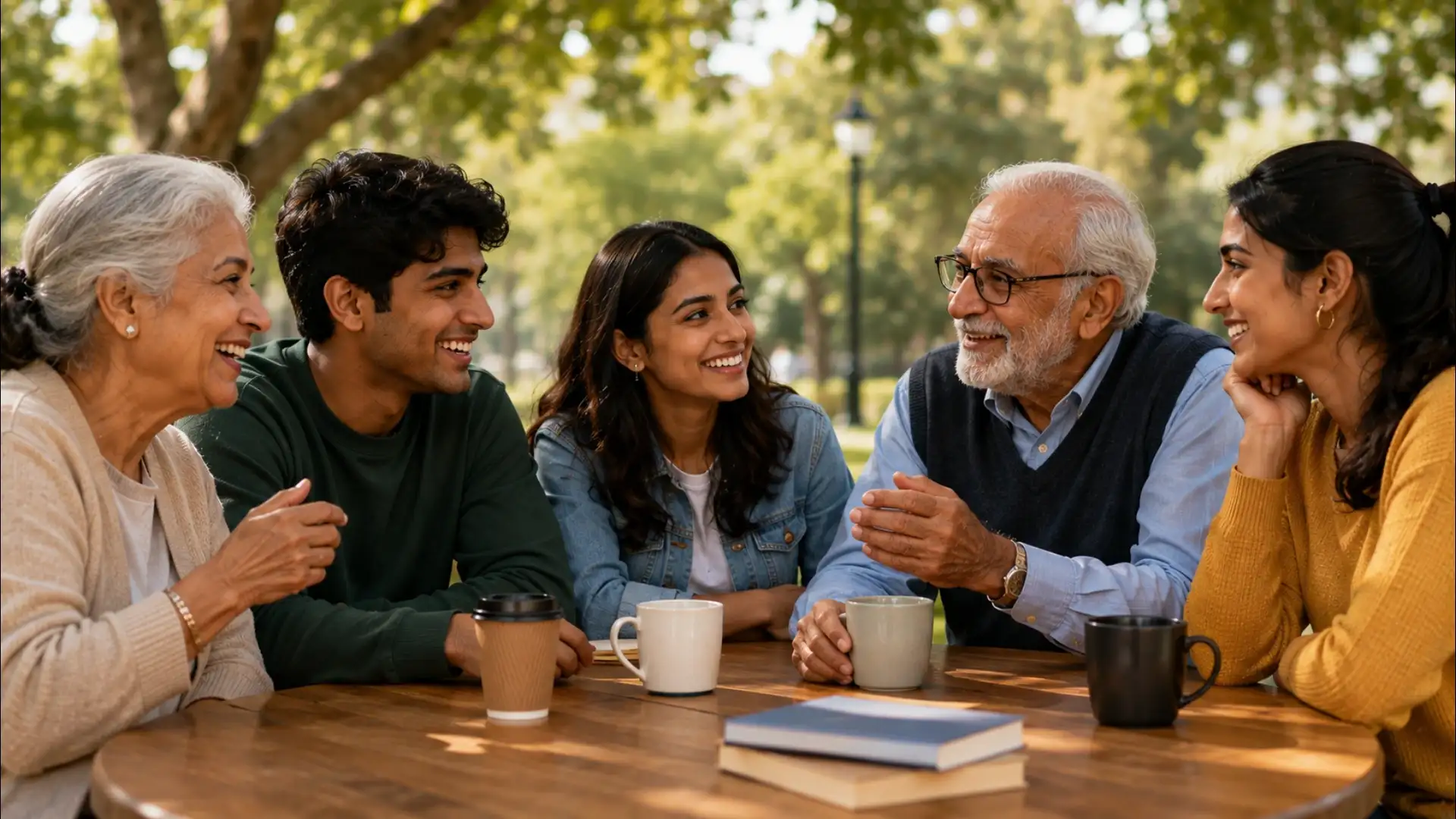
When a thirty-something shares hobbies, worries, and belly laughs with a seventy-something, age ceases to be a barrier. You quickly discover that core humans need the desire to be heard, valued, loved, and understood to remain identical across every chapter of life. These bonds foster inclusive communities where people are judged by their character and warmth rather than their birth year.
Instead, the relationship thrives on mutual exchange. A younger friend might help an older neighbor with heavy gardening, digital setups, or transport, while the older friend provides thoughtful advice, a calm listening ear, or home-cooked meals. This reciprocal care creates a safe, comforting space built on genuine appreciation.
1. Expanding Horizons Through Shared History and Wisdom
Connecting with an older friend provides a living link to the past. Older generations carry decades of practical life experience, having navigated career transitions, relationship hurdles, economic shifts, and personal losses. When you face a stressful life event, talking it through with an older companion offers instant perspective. Their long-term view gently reminds us that most daily crises are temporary, helping lower anxiety. Furthermore, listening to their personal stories turns abstract historical events into vivid human experiences, deepening your appreciation for modern progress and shared human resilience.2. Fresh Energy and New Ideas from Younger Companions
Conversely, spending time with younger friends brings vibrant energy, enthusiasm, and fresh views into your life. Younger generations often challenge outdated social norms, introduce innovative ways of thinking, and share current cultural trends, technology, and art. For an older person, a younger companion offers a window into the evolving modern landscape. They can help demystify digital tools, explain cultural shifts, and reignite a sense of curiosity and playfulness. This dynamic keeps older adults mentally sharp, socially connected, and actively engaged with the world around them.You may also like
- Major Railway Initiative: QR Codes on Food Packets to Indicate Food Freshness
- Driving on the highway during the rainy season? Be sure to follow this advice from the NHAI.
- Attention Government Employee Couples: Living Together Means No HRA for the Second Spouse
- Major Change in US Visa Rules: Application Will Be Rejected If Even One Document Is Missing
- EPFO: A major gift in August—access stuck funds in a jiffy via the e-Praapti Portal
3. Breaking Down Ageism and Stereotypes
Ageism works in both directions; society frequently dismisses younger people as inexperienced or distracted, while stereotyping older adults as out of touch or fragile. Intergenerational friendships dismantle these unhelpful biases naturally through regular, meaningful interaction.When a thirty-something shares hobbies, worries, and belly laughs with a seventy-something, age ceases to be a barrier. You quickly discover that core humans need the desire to be heard, valued, loved, and understood to remain identical across every chapter of life. These bonds foster inclusive communities where people are judged by their character and warmth rather than their birth year.
4. Building Reciprocal Support Networks
One of the most beautiful aspects of cross-generational bonding is its emotional balance. These relationships are free from the subtle competitiveness or life-stage comparisons that sometimes affect same-age friendships, such as comparing house purchases, salary benchmarks, or parenting milestones.Instead, the relationship thrives on mutual exchange. A younger friend might help an older neighbor with heavy gardening, digital setups, or transport, while the older friend provides thoughtful advice, a calm listening ear, or home-cooked meals. This reciprocal care creates a safe, comforting space built on genuine appreciation.
Enriching Your Social Circle Across Generations
True connection knows no expiration date. By actively seeking out intergenerational friendships and the rich perspectives gained from bonding with older or younger generations, you break free from age-restricted bubbles and gain a lifetime of shared wisdom , laughter, and support. Opening your heart and calendar to friends of all ages is one of the most fulfilling ways to build a warm, resilient, and inclusive life.





Loving Newspoint? Download the app now
