Ditch the Luxury: How the 'Reverse Vacation' Trend Is Redefining Modern Travel

For decades, the universal definition of a holiday meant escape into ease booking five-star hotels, lounging beside temperature-controlled pools, sipping cocktails, and avoiding any form of physical strain or logistical hassle.
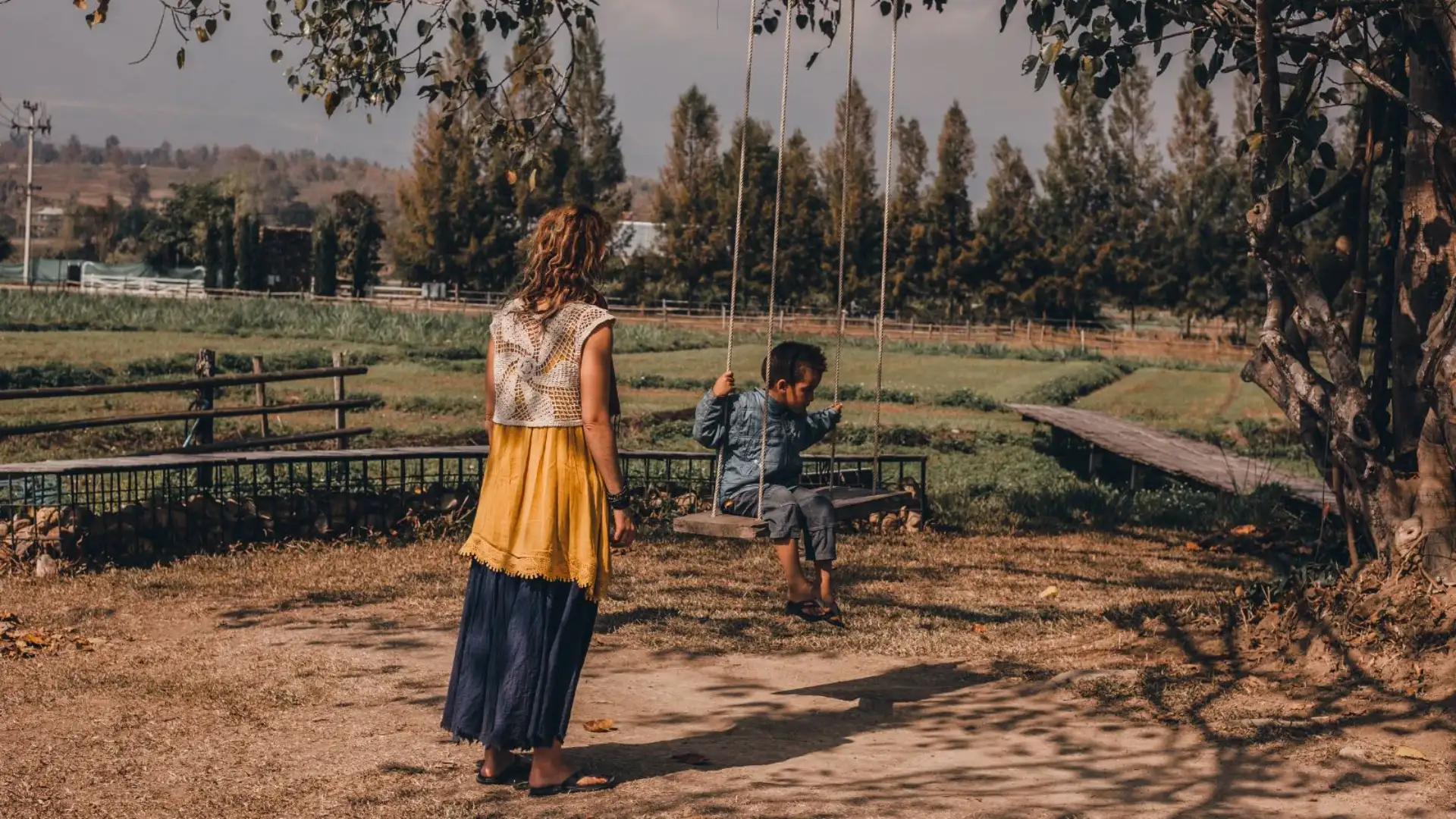
Hero Image


The Reverse Vacation flips this script entirely. Instead of seeking maximum comfort, practitioners intentionally seek out controlled discomfort. The goal isn't to relax in luxury, but to step out of heavily automated modern routines and challenge oneself in environments that demand effort, adaptability, and resilience.

Whether it involves joining agricultural farmstays to harvest crops by hand, staying in primitive cabins without Wi-Fi or electricity, embarking on self-supported wilderness treks, or taking up intensive survival workshops, reverse vacationers treat their time off as an opportunity for raw self-discovery rather than passive consumption.


Why Is the Trend Gaining Momentum?

Travel psychologists and social media commentators point to several key factors driving the popularity of reverse vacations among Gen Z and millennial travelers:

  1. Digital Fatigue and Modern Burnout: Daily life for many modern professionals consists of sitting in air-conditioned offices, staring at screens, and receiving instant dopamine hits via apps. A reverse vacation provides a physical "hard reset" that forces individuals to engage their bodies and minds in tangible ways.
  2. Rejection of Over-Curated Tourism: Traditional tourist hotspots have become heavily homogenized and commercialized. Many travelers feel that luxury resorts insulate them from real local culture, leaving them with generic experiences rather than authentic memories.
  3. The Search for Genuine Resilience: Surviving a night in a stormy tent, chopping wood for heating, or navigating unfamiliar terrain builds a sense of personal competence and grounding that pristine room service simply cannot provide.

Key Elements of a Reverse Vacation Experience

Unlike standard adventure tourism which often includes high-end safety nets—reverse vacations emphasize simplicity and raw engagement:


  • Off-Grid Living: Staying in simple shelters, tents, or heritage homestays devoid of modern luxuries like air conditioning, room service, or high-speed internet.
  • Active Participation: Engaging in local community work, manual labor, foraging, or cooking meals from scratch over open fires.
  • Minimalist Travel: Carrying light gear, utilizing public local transit, and foregoing pre-packaged tourist itineraries in favor of spontaneous local navigation.

Balancing Challenge with Safety

While the trend celebrates stepping out of one's comfort zone, experts emphasize that a successful reverse vacation requires thoughtful preparation. Embracing discomfort should not mean sacrificing basic health and safety. Travelers are advised to research local weather conditions, maintain essential emergency communications, and know their physical limits before diving into rugged environments.