
Is Curd Safe to Eat During Monsoon? Everything You Need to Know

Curd is one of the most popular foods in Indian households. It is refreshing, rich in nutrients and often considered an essential part of a balanced diet. However, when the monsoon arrives, many people begin to question whether curd is still a healthy choice. Traditional beliefs often suggest avoiding it during the rainy season, while others continue to eat it daily without concern. So, is curd good or bad during monsoon? The answer is not as simple as a yes or no. It depends on factors such as freshness, preparation, storage and individual health conditions. Understanding these aspects can help you enjoy curd safely while making the most of its nutritional benefits.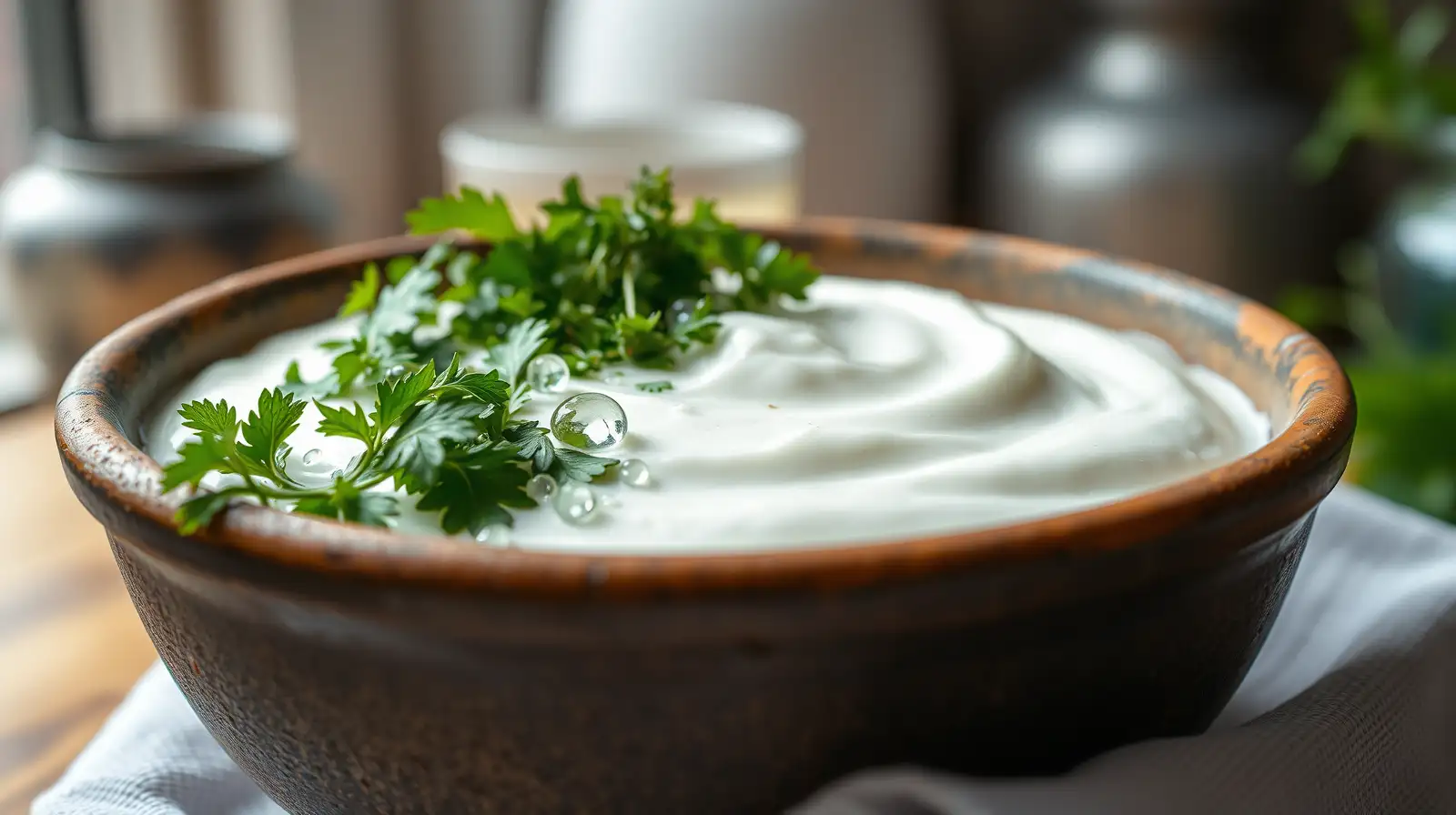
Some people also feel that cold foods may worsen congestion or throat discomfort during seasonal illnesses. While there is limited scientific evidence that curd directly causes colds, individuals with existing respiratory infections may find chilled dairy products less comfortable to consume.
The real concern is not curd itself but consuming curd that is stale or has been stored improperly.
A balanced gut microbiome plays an important role in digestion and overall health. Regular consumption of fresh curd may contribute to better digestive function when included as part of a varied diet.
Curd also provides a cooling contrast to spicy foods and pairs well with many traditional Indian meals.
Instead of eating chilled curd straight from the refrigerator, allow it to reach room temperature for a few minutes. Many people also prefer combining curd with roasted cumin powder, black pepper or fresh herbs, which enhances both flavour and digestion.
If curd develops an unusual smell, excessive sourness or signs of spoilage, it should be discarded immediately.
Another interesting fact is that homemade curd often contains a different mix of beneficial bacteria compared with commercially produced varieties, depending on the starter culture used.
Research also suggests that the diversity of gut bacteria is influenced by the overall diet, meaning curd works best when combined with fibre-rich fruits, vegetables and whole grains.
People recovering from food poisoning or stomach infections may also benefit from consulting a healthcare professional before making significant dietary changes.
For most healthy adults, however, fresh curd remains a nutritious addition to meals throughout the year.
Understanding the difference between fresh and spoiled dairy products allows people to make informed decisions rather than relying solely on seasonal myths.
Why People Avoid Curd During Monsoon
The belief that curd should be avoided during the rainy season has been passed down through generations. One reason is that humid weather creates favourable conditions for bacteria to multiply, making dairy products spoil faster if they are not stored correctly.Some people also feel that cold foods may worsen congestion or throat discomfort during seasonal illnesses. While there is limited scientific evidence that curd directly causes colds, individuals with existing respiratory infections may find chilled dairy products less comfortable to consume.
The real concern is not curd itself but consuming curd that is stale or has been stored improperly.
Nutritional Benefits of Curd
Fresh curd is an excellent source of calcium, protein, phosphorus and several B vitamins. It also contains beneficial bacteria, commonly known as probiotics, which help support a healthy gut microbiome.A balanced gut microbiome plays an important role in digestion and overall health. Regular consumption of fresh curd may contribute to better digestive function when included as part of a varied diet.
Curd also provides a cooling contrast to spicy foods and pairs well with many traditional Indian meals.
How to Eat Curd Safely During Monsoon
The key to enjoying curd during monsoon is freshness. Always consume freshly prepared or properly refrigerated curd and avoid leaving it at room temperature for extended periods.Instead of eating chilled curd straight from the refrigerator, allow it to reach room temperature for a few minutes. Many people also prefer combining curd with roasted cumin powder, black pepper or fresh herbs, which enhances both flavour and digestion.
You may also like
- EPFO: Mutual Fund or PF? EPFO reveals which is the more beneficial choice..
- Big relief for central government employees! Now, the CGHS pensioner card can be generated in a jiffy via the 'Bhavishya' portal..
- ISRO Offers Internship Opportunities to Students; Find Out Who Can Apply
- Made a mistake while filing your ITR? The Income Tax Department offers a second chance to rectify errors; here is the process..
- Chanakya Niti: These four things are more important than position and prestige, Chanakya had told the mantra of a happy life
If curd develops an unusual smell, excessive sourness or signs of spoilage, it should be discarded immediately.
Lesser-Known Facts About Curd
Many people assume all fermented foods are risky during monsoon, but fermentation itself is not the problem. Properly prepared fermented foods can be nutritious when handled hygienically.Another interesting fact is that homemade curd often contains a different mix of beneficial bacteria compared with commercially produced varieties, depending on the starter culture used.
Research also suggests that the diversity of gut bacteria is influenced by the overall diet, meaning curd works best when combined with fibre-rich fruits, vegetables and whole grains.
Who Should Be More Careful?
While curd is safe for most healthy people, certain individuals may need extra caution. Those with weakened immune systems or lactose intolerance should seek medical advice if they experience digestive discomfort after consuming dairy products.People recovering from food poisoning or stomach infections may also benefit from consulting a healthcare professional before making significant dietary changes.
For most healthy adults, however, fresh curd remains a nutritious addition to meals throughout the year.
Why This Matters Today
Interest in gut health has grown rapidly in recent years, bringing probiotic-rich foods such as curd into the spotlight. At the same time, food safety becomes especially important during monsoon because high humidity increases the risk of spoilage.Understanding the difference between fresh and spoiled dairy products allows people to make informed decisions rather than relying solely on seasonal myths.






Loving Newspoint? Download the app now
