
Is Eating Curd at Night Good or Bad? Experts Reveal the Truth Behind the Myths

Served as raita, chaas, or simply a bowl of creamy goodness, curd is a staple in many Indian households. While its health benefits are widely celebrated, one question continues to pop into our minds: Is eating curd at night good or bad for us? Elderly people at home often caution against it, citing risks like colds, mucus formation, or indigestion. On the other hand, modern nutritionists and scientific studies suggest that curd can actually support digestion, improve sleep, and even aid weight management when consumed mindfully. So, what really happens when you reach for that comforting bowl of dahi after sunset? Let's learn some facts and bust some myths surrounding nighttime curd consumption.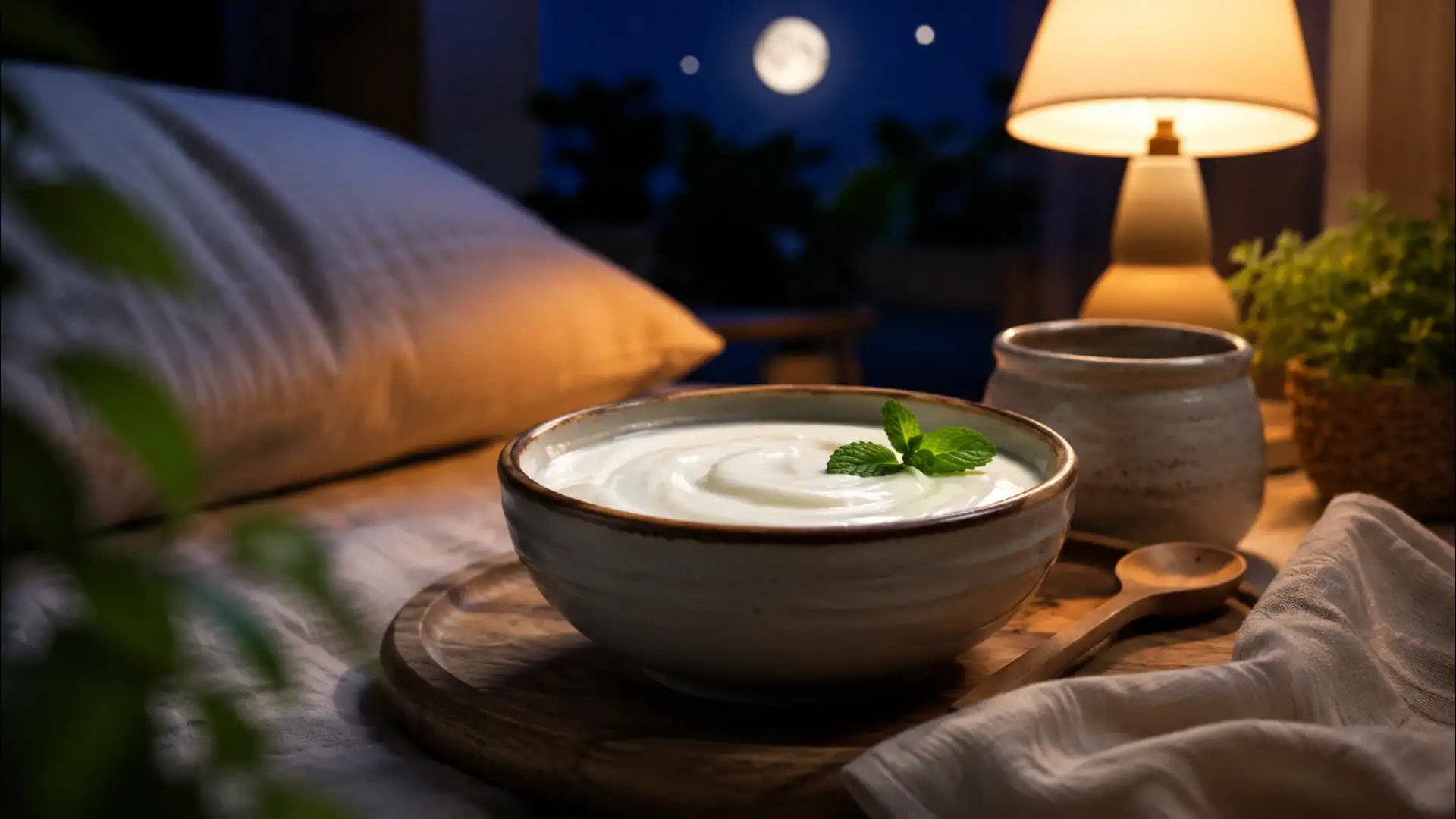
Nutrition in Curd
Curd is rich in protein, calcium, and probiotics—live bacteria that promote gut health. These nutrients remain intact regardless of the time of day you consume it. Probiotics help maintain a healthy microbiome, which is crucial for digestion and immunity. According to a study, dairy proteins like casein may aid overnight muscle repair when consumed before bed, making curd a smart choice for fitness enthusiasts.Benefits of Eating Curd
1. Supports Digestion
Contrary to the myth that curd causes indigestion at night, the probiotics in curd help balance gut bacteria and aid digestion even when your metabolic rate slows down during sleep. This can reduce acidity, bloating, and discomfort after a heavy dinner.You may also like
- Major Change in US Visa Rules: Application Will Be Rejected If Even One Document Is Missing
- EPFO: A major gift in August—access stuck funds in a jiffy via the e-Praapti Portal
- Solar Eclipse : When will this year's second solar eclipse occur, August 11 or 12? Will the Sutak period be observed in India?
- Can a D&C Cause a Thin Endometrium? Signs, Recovery and Pregnancy Chances
- Simple ways prevent waterborne diseases in monsoons
2. Promotes Better Sleep
Curd contains tryptophan, an amino acid that helps produce serotonin and melatonin which are hormones that regulate sleep. Studies indicate that fermented dairy products may improve sleep quality by boosting melatonin production.3. Keeps You Full Longer
Packed with protein and relatively low in calories, curd can curb late-night cravings and prevent unhealthy snacking. This makes it a great option for those aiming for weight loss.4. Boosts Immunity
Your immune system regenerates while you sleep, and the probiotics in curd support this process by maintaining gut health. A strong gut microbiome is linked to better immunity. A study claims that curd helps build strong immunity, so it may be a good idea to give your immune system a boost while you sleep.





Loving Newspoint? Download the app now
