
Is It Safe to Eat Leafy Vegetables During Monsoon? Everything You Need to Know

The arrival of the monsoon brings welcome relief from the summer heat, but it also creates the perfect conditions for bacteria, fungi and parasites to thrive. During this season, many people are advised to avoid leafy vegetables, leaving them wondering whether favourites such as spinach, fenugreek, coriander and lettuce are safe to eat. While these greens are packed with essential nutrients, the damp weather can make them more vulnerable to contamination. The good news is that you do not necessarily have to stop eating leafy vegetables during monsoon. Understanding the risks and following a few simple food safety practices can help you enjoy their nutritional benefits without compromising your health.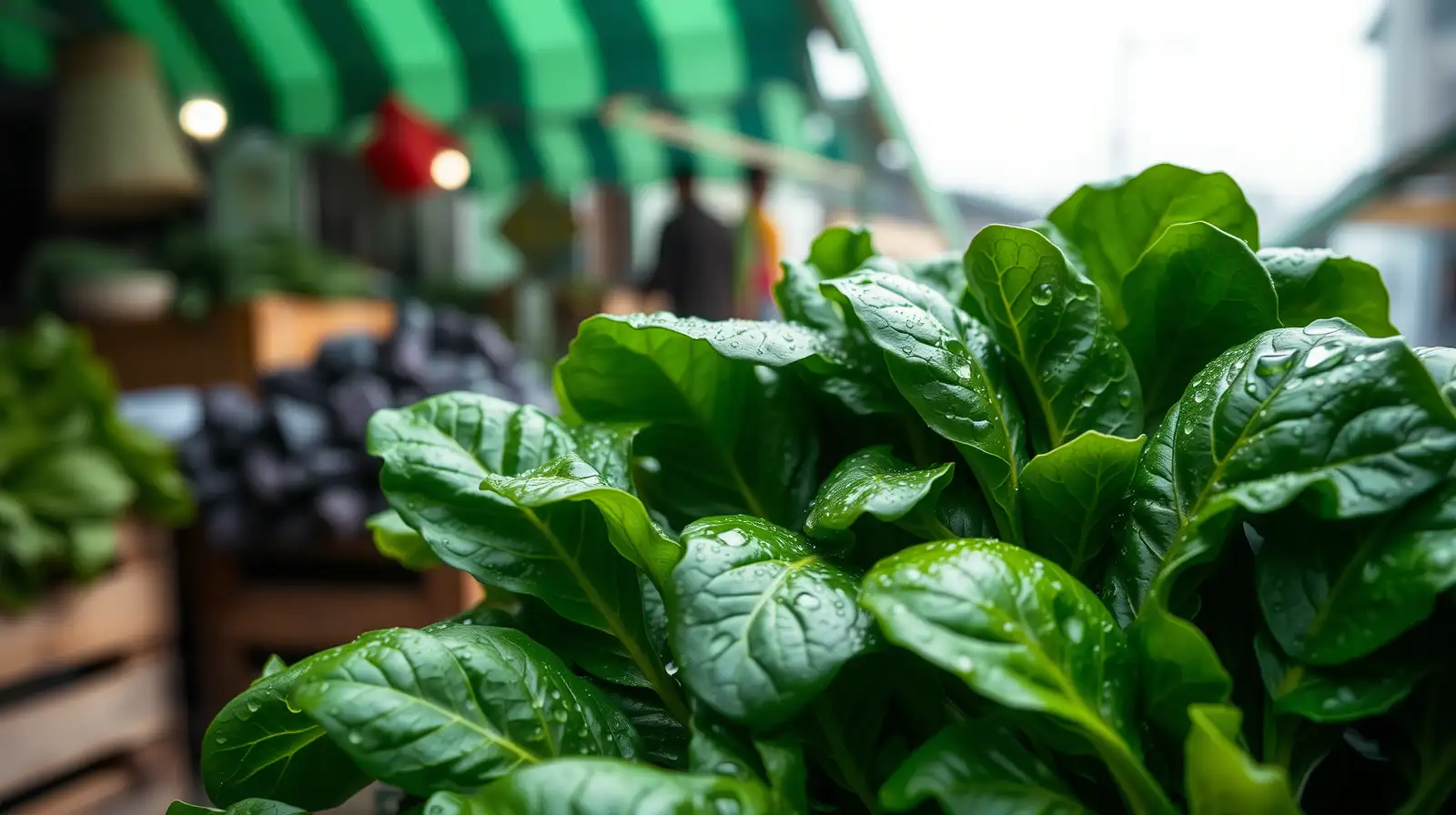
Unlike fruits with thick skins, leafy greens have delicate surfaces with many folds where dirt and germs can easily hide. This is why they require more careful handling than many other vegetables during monsoon.
Fresh spinach, mustard greens, amaranth and coriander remain excellent sources of vitamins A, C and K, along with iron, calcium and dietary fibre. These nutrients support immunity, bone health and digestion, all of which are particularly important during seasonal changes.
If the vegetables are fresh, properly cleaned and thoroughly cooked, they can still be a healthy part of your monsoon diet.
Separate each leaf, wash them thoroughly under clean running water and soak them briefly in fresh water before cooking. Some people also use food-grade vegetable washes or a mild salt-water solution for additional cleaning, although plain running water remains highly effective when used carefully.
Avoid buying greens that look wilted, slimy or have an unpleasant smell, as these may already be spoiling.
Popular Indian dishes such as palak paneer, saag or lightly stir-fried spinach offer a safer option than uncooked leafy salads when the weather is wet and humid.
Overcooking, however, can reduce certain heat-sensitive nutrients such as vitamin C. Cooking vegetables until they are just tender helps strike a balance between food safety and nutrition.
Another lesser-known point is that refrigeration slows bacterial growth but does not eliminate germs already present on vegetables. This is why washing before cooking remains essential, even for refrigerated produce.
Many traditional Indian food practices, including adding garlic, ginger and turmeric to cooked greens, may also support food hygiene and overall wellness, although these ingredients should never replace proper cleaning and cooking.
Avoiding leafy greens altogether could mean missing out on valuable vitamins and minerals. Instead, choosing fresh produce, storing it correctly and preparing it safely allows families to continue enjoying these nutritious foods with greater confidence.
Why Leafy Vegetables Need Extra Care During Monsoon
Leafy vegetables grow close to the ground, making them more likely to come into contact with muddy water, insects and microorganisms during the rainy season. Heavy rainfall can also increase the chances of contaminated water reaching farms, which may carry harmful bacteria such as E. coli and Salmonella.Unlike fruits with thick skins, leafy greens have delicate surfaces with many folds where dirt and germs can easily hide. This is why they require more careful handling than many other vegetables during monsoon.
Are Leafy Greens Really Unsafe?
The idea that leafy vegetables should be completely avoided during monsoon is a common myth. In reality, the problem is not the vegetables themselves but how they are grown, stored and prepared.Fresh spinach, mustard greens, amaranth and coriander remain excellent sources of vitamins A, C and K, along with iron, calcium and dietary fibre. These nutrients support immunity, bone health and digestion, all of which are particularly important during seasonal changes.
If the vegetables are fresh, properly cleaned and thoroughly cooked, they can still be a healthy part of your monsoon diet.
The Right Way to Wash Leafy Vegetables
Cleaning leafy vegetables properly is one of the most effective ways to reduce the risk of foodborne illness. Simply rinsing them under running water may not remove all dirt or microorganisms.Separate each leaf, wash them thoroughly under clean running water and soak them briefly in fresh water before cooking. Some people also use food-grade vegetable washes or a mild salt-water solution for additional cleaning, although plain running water remains highly effective when used carefully.
Avoid buying greens that look wilted, slimy or have an unpleasant smell, as these may already be spoiling.
You may also like
- EPFO: Mutual Fund or PF? EPFO reveals which is the more beneficial choice..
- Big relief for central government employees! Now, the CGHS pensioner card can be generated in a jiffy via the 'Bhavishya' portal..
- ISRO Offers Internship Opportunities to Students; Find Out Who Can Apply
- Made a mistake while filing your ITR? The Income Tax Department offers a second chance to rectify errors; here is the process..
- Chanakya Niti: These four things are more important than position and prestige, Chanakya had told the mantra of a happy life
Why Cooking Makes a Difference
Cooking leafy vegetables at high temperatures helps destroy many harmful microorganisms that may be present. This is one reason why nutrition experts often recommend choosing cooked greens over raw salads during the rainy season.Popular Indian dishes such as palak paneer, saag or lightly stir-fried spinach offer a safer option than uncooked leafy salads when the weather is wet and humid.
Overcooking, however, can reduce certain heat-sensitive nutrients such as vitamin C. Cooking vegetables until they are just tender helps strike a balance between food safety and nutrition.
Lesser-Known Facts About Monsoon Greens
One interesting fact is that humidity affects vegetables even after they are harvested. Moist conditions encourage mould growth and speed up spoilage if leafy greens are stored for too long.Another lesser-known point is that refrigeration slows bacterial growth but does not eliminate germs already present on vegetables. This is why washing before cooking remains essential, even for refrigerated produce.
Many traditional Indian food practices, including adding garlic, ginger and turmeric to cooked greens, may also support food hygiene and overall wellness, although these ingredients should never replace proper cleaning and cooking.
Why It Matters Today
Foodborne illnesses tend to become more common during the monsoon because warm temperatures and high humidity allow harmful microorganisms to multiply more quickly. At the same time, many people want to maintain a balanced diet rich in vegetables.Avoiding leafy greens altogether could mean missing out on valuable vitamins and minerals. Instead, choosing fresh produce, storing it correctly and preparing it safely allows families to continue enjoying these nutritious foods with greater confidence.






Loving Newspoint? Download the app now
