
Is Jalebi Really Indian?: Unraveling the Fascinating Culinary History of the Crispy Dessert

Whether enjoyed piping hot from a street vendor in Delhi, paired with savory fafda in Gujarat, or served alongside creamy rabri in Uttar Pradesh, jalebi is deeply woven into the fabric of daily life across India. Its signature coiled shape and syrup-filled crunch make it an instant favorite at weddings, festivals, and Sunday breakfasts. Yet, despite its ubiquitous presence in South Asian culture, the history of this sweet treat is far more international than most people realize.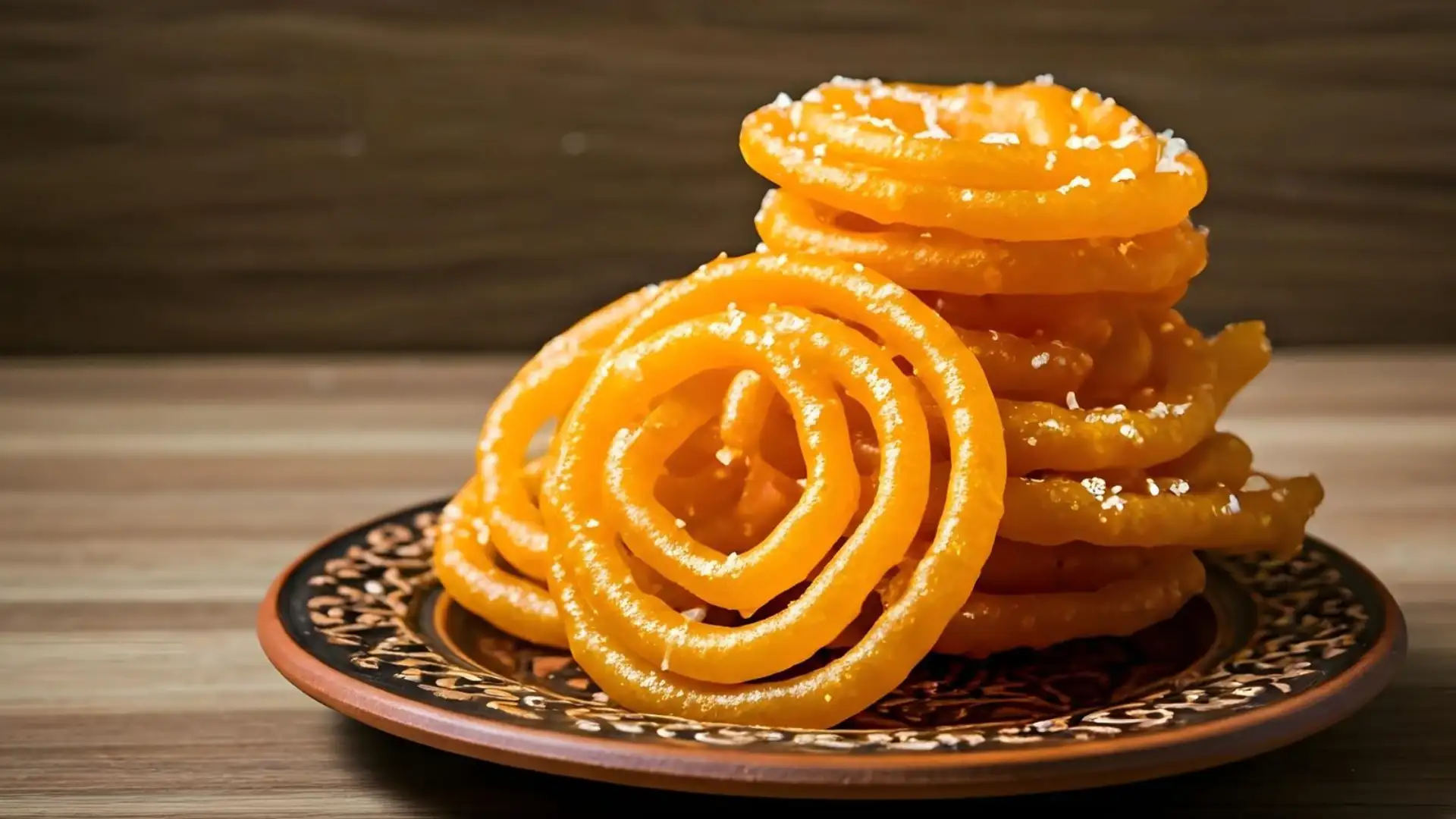
Culinary historians point out that the word jalebi is an Indianized pronunciation of the Arabic word
or the Persian
. Long before it arrived on the Indian subcontinent, this fried batter sweet was documented in medieval Middle Eastern cookbooks, serving as a prominent treat during festive gatherings and religious observances.
(The Book of Dishes), compiled by Muhammad bin Hasan al-Baghdadi, contains explicit recipes for
. In the Middle East, the dish was often prepared during Ramadan, distributed to the poor, and enjoyed at evening feasts.
By the thirteenth century, trade relations, cultural exchanges, and the movement of scholars, merchants, and conquerors brought
to India via Islamic traders and medieval court kitchens. As the recipe integrated into local culinary traditions, regional cooks adapted the batter, fry techniques, and syrup flavorings, gradually transforming
into
or
, and eventually the modern
.
, written by Jain author Jinasura around 1450 CE, explicitly mentions jalebis being served at a festive feast hosted by a wealthy merchant.
Later, a sixteenth-century Marathi work titled
included jalebi in a list of local delicacies, confirming that the sweet had migrated from royal court kitchens into mainstream regional diets. Another sixteenth-century Sanskrit text,
, detailed a recipe for jalebi that closely mirrors the modern preparation method: fermenting refined wheat flour batter, piping it into concentric circles in hot ghee, and dipping the fried coils into spiced sugar syrup.
Culinary historians point out that the word jalebi is an Indianized pronunciation of the Arabic word
or the Persian
. Long before it arrived on the Indian subcontinent, this fried batter sweet was documented in medieval Middle Eastern cookbooks, serving as a prominent treat during festive gatherings and religious observances.
Tracing the Historical Timeline of Zalabiya
The earliest written references to the ancestor of jalebi date back to the tenth century. A famous Arabic cookbook titled(The Book of Dishes), compiled by Muhammad bin Hasan al-Baghdadi, contains explicit recipes for
. In the Middle East, the dish was often prepared during Ramadan, distributed to the poor, and enjoyed at evening feasts.
By the thirteenth century, trade relations, cultural exchanges, and the movement of scholars, merchants, and conquerors brought
to India via Islamic traders and medieval court kitchens. As the recipe integrated into local culinary traditions, regional cooks adapted the batter, fry techniques, and syrup flavorings, gradually transforming
into
or
, and eventually the modern
.
Literary Mentions in Indian History
By the fifteenth century, jalebi had firmly established itself in Indian society and literature. The Sanskrit text, written by Jain author Jinasura around 1450 CE, explicitly mentions jalebis being served at a festive feast hosted by a wealthy merchant.
Later, a sixteenth-century Marathi work titled
included jalebi in a list of local delicacies, confirming that the sweet had migrated from royal court kitchens into mainstream regional diets. Another sixteenth-century Sanskrit text,
, detailed a recipe for jalebi that closely mirrors the modern preparation method: fermenting refined wheat flour batter, piping it into concentric circles in hot ghee, and dipping the fried coils into spiced sugar syrup.
Regional Adaptations Across the Globe
As jalebi spread across different geographies, it spawned numerous regional variations:- Middle East and North Africa: The original
remains popular, often prepared as round fritters or laced dough balls served with honey or syrup. - India: Variations range from thin, ultra-crispy jalebis in North India to thick, chewy versions in the South, alongside
(made from black gram flour) and
(made with condensed milk solids). - Iran: Known as
, the Persian version is frequently flavored with saffron and rose water and served during Ramadan alongside tea.
Next Story