
Is Living Off-Grid Right For You? Pros And Cons

Living off the grid means choosing a life disconnected from conventional public utilities like electricity, water supply, and gas lines. Instead, individuals or families generate their own power, collect water, and often grow food, relying on sustainable solutions such as solar panels, wind turbines, and rainwater harvesting. As concerns about the environment and personal autonomy grow, more people are turning toward this alternative lifestyle.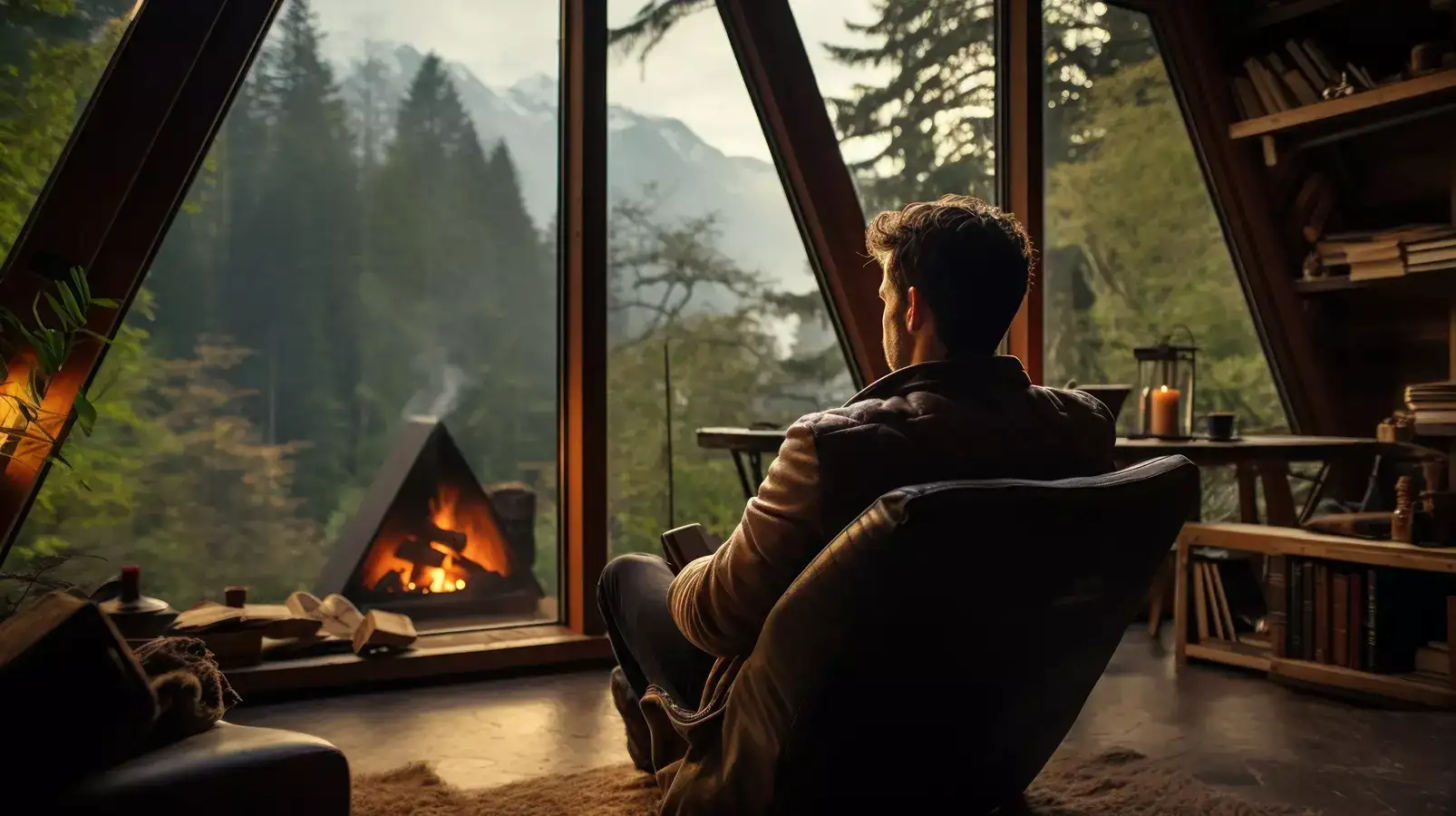
Why People Choose to Live Off-Grid
One of the primary motivations behind off-grid living is sustainability. By switching to renewable energy sources and reducing reliance on mass-produced utilities, people can dramatically cut their environmental impact. It’s also a path toward freedom—living off-grid allows for more personal control over resources and less dependence on external systems vulnerable to disruption.
Financial Freedom and Long-Term Savings
While the initial investment in equipment like solar arrays or water filtration systems can be steep, the long-term savings are often worth it. Utility bills are either eliminated or significantly reduced. Some off-grid homes even generate surplus energy, which can be sold back to the grid in certain areas, creating an additional income stream. Over time, these financial benefits can support a more stress-free, cost-effective lifestyle.
Connecting with Nature
Off-grid homes are typically located in remote or rural settings, making nature a daily part of life. This closeness to the environment allows individuals to experience a slower pace of life, more peace, and a greater awareness of natural cycles. Living off-grid often encourages gardening, animal husbandry, and other hands-on activities that nurture a connection to the land and self-sufficiency.
Facing the Realities and Challenges
Despite its appeal, off-grid living isn't without hurdles. Solar panels won’t generate electricity during long stretches of cloudy weather, and rainwater collection won’t work well in dry climates. These systems also need regular upkeep, and unexpected breakdowns can be difficult and costly to fix—especially when living in a remote area without easy access to technicians.
Limited Access to Connectivity
In the digital age, staying connected is important, but it can be tough for those living off-grid. Internet and mobile signals may be weak or unreliable, making remote work and communication with the outside world more difficult. In emergencies, lack of instant connectivity can pose serious risks if medical help or assistance is needed urgently.
Striking a Practical Balance
Living off-grid can be deeply fulfilling for those who value simplicity, environmental consciousness, and independence. However, it demands planning, commitment, and a readiness to live with fewer modern conveniences. A hybrid approach—where you adopt certain off-grid practices while maintaining some connection to basic infrastructure—can be a more realistic option for many.
Choosing an off-grid lifestyle comes with both meaningful rewards and significant challenges. It promotes sustainability, cuts costs over time, and reconnects people with nature—but it also requires effort, adaptability, and a willingness to step away from modern comforts. For those ready to embrace this journey, living off-grid can offer a uniquely rewarding way of life.
Why People Choose to Live Off-Grid
One of the primary motivations behind off-grid living is sustainability. By switching to renewable energy sources and reducing reliance on mass-produced utilities, people can dramatically cut their environmental impact. It’s also a path toward freedom—living off-grid allows for more personal control over resources and less dependence on external systems vulnerable to disruption.
Financial Freedom and Long-Term Savings
While the initial investment in equipment like solar arrays or water filtration systems can be steep, the long-term savings are often worth it. Utility bills are either eliminated or significantly reduced. Some off-grid homes even generate surplus energy, which can be sold back to the grid in certain areas, creating an additional income stream. Over time, these financial benefits can support a more stress-free, cost-effective lifestyle.
You may also like
- Buying Cloves? Avoid These Common Mistakes and Learn How to Identify Fresh, Good-Quality Cloves
- Gitanjali Rao: From a child prodigy detecting lead in water to making her way to MIT and writing history with the Stephen Hawking Junior Medal at 19
- 5 Ayurvedic Drinks to Try During Flu Season: Simple Options to Support Nutrition and Hydration
- Peanuts With Skin or Without? Know Which Way of Eating Moongfali May Offer More Benefits
- Quote of the Day by Albert Einstein: “Life is like riding a bicycle. To keep your balance, you must keep moving”
Connecting with Nature
Off-grid homes are typically located in remote or rural settings, making nature a daily part of life. This closeness to the environment allows individuals to experience a slower pace of life, more peace, and a greater awareness of natural cycles. Living off-grid often encourages gardening, animal husbandry, and other hands-on activities that nurture a connection to the land and self-sufficiency.
Facing the Realities and Challenges
Despite its appeal, off-grid living isn't without hurdles. Solar panels won’t generate electricity during long stretches of cloudy weather, and rainwater collection won’t work well in dry climates. These systems also need regular upkeep, and unexpected breakdowns can be difficult and costly to fix—especially when living in a remote area without easy access to technicians.
Limited Access to Connectivity
In the digital age, staying connected is important, but it can be tough for those living off-grid. Internet and mobile signals may be weak or unreliable, making remote work and communication with the outside world more difficult. In emergencies, lack of instant connectivity can pose serious risks if medical help or assistance is needed urgently.
Striking a Practical Balance
Living off-grid can be deeply fulfilling for those who value simplicity, environmental consciousness, and independence. However, it demands planning, commitment, and a readiness to live with fewer modern conveniences. A hybrid approach—where you adopt certain off-grid practices while maintaining some connection to basic infrastructure—can be a more realistic option for many.
Choosing an off-grid lifestyle comes with both meaningful rewards and significant challenges. It promotes sustainability, cuts costs over time, and reconnects people with nature—but it also requires effort, adaptability, and a willingness to step away from modern comforts. For those ready to embrace this journey, living off-grid can offer a uniquely rewarding way of life.






Loving Newspoint? Download the app now
