
Is Self-Love Overrated? Why Real Self-Care Is Much Deeper Than Trends

In recent years, the concept of self-love has transformed from a quiet psychological principle into a full-blown global movement. Social media platforms, lifestyle blogs, and bestseller lists are flooded with daily reminders to "put yourself first", "protect your peace", and "unapologetically embrace who you are". On the surface, this cultural focus seems like a positive change. After decades of people struggling with burnout and placing everyone else's needs ahead of their own, learning to treat oneself with kindness feels long overdue.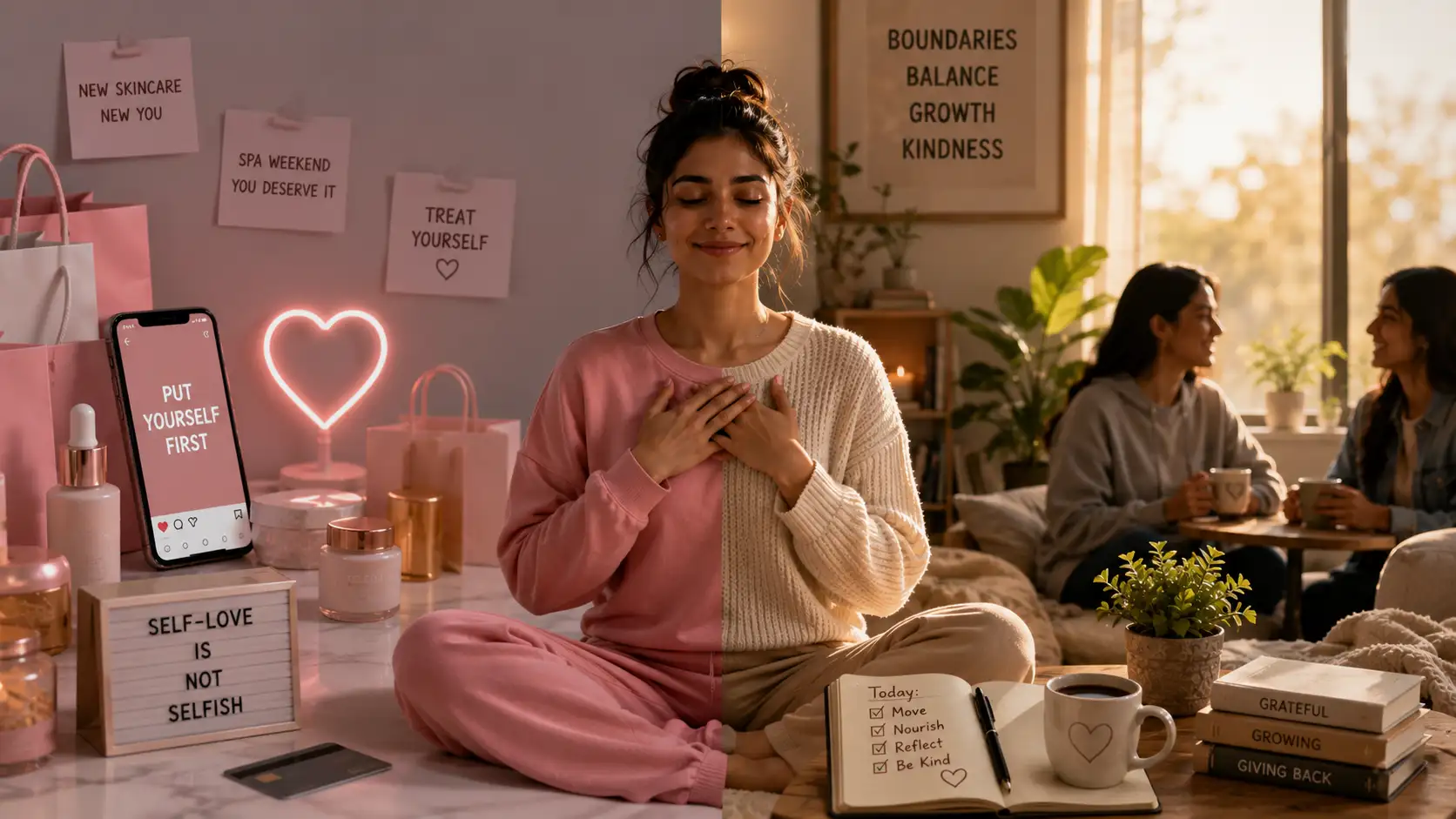
However, as the idea of self-love becomes increasingly commercialised and turned into quick social media slogans, many people are beginning to question its real value. Has this once-healthy movement turned into an overhyped trend that promotes self-centred behavior rather than true emotional growth?
Historically, many adults struggled under the weight of harsh self-criticism, constantly measuring their success against unrealistic societal expectations. The rise of self-love has given people the permission to step away from toxic workplaces, leave unsupportive relationships, and speak openly about mental health struggles. Developing high self-regard helps people build emotional resilience , making it easier to navigate life's inevitable setbacks without falling into despair.
More worryingly, the trend is sometimes used to justify poor interpersonal behavior. When the idea of "protecting your energy" is taken to an extreme, setting healthy boundaries can easily morph into ghosting friends, dodging uncomfortable conversations, or abandoning obligations the moment they become slightly inconvenient. Real self-love is not about building an untouchable ego or ignoring how your actions impact those around you. When self-care leads to total disregard for others, it ceases to be self-love and becomes simple selfishness.
Furthermore, looking after your own needs should never mean isolating yourself from your community. Human beings are deeply social creatures, and lasting happiness comes from balancing personal well-being with empathy and care for others.
The era of self-love is not inherently flawed, but it urgently requires perspective. By moving away from superficial trends and focusing on genuine self-respect, we can build a healthier relationship with ourselves while remaining thoughtful, supportive members of society.
However, as the idea of self-love becomes increasingly commercialised and turned into quick social media slogans, many people are beginning to question its real value. Has this once-healthy movement turned into an overhyped trend that promotes self-centred behavior rather than true emotional growth?
The Good Side of Loving Yourself
When practiced in a genuine, balanced way, self-love offers undeniable benefits for mental health . At its foundation, authentic self-love is simply about building a compassionate, honest relationship with yourself. It involves accepting your natural flaws, recognizing your intrinsic worth, and establishing healthy personal boundaries.You may also like
- Psychology says one painful comment can stay with you for years while dozens of kind words fade away
- Chinese proverb of the day: Why "It takes more than one cold day for…" reminds us that lasting results take time
- Psychology says people who talk to their pets like they are humans have these 7 unique psychological strengths
- Train News: Several trains are affected from today until August 7; check which routes have changed and view the full list.
- Ex-Agniveer Reservation: 50% quota in new recruitments; know the eligibility, age limit, salary, and job opportunities.
Historically, many adults struggled under the weight of harsh self-criticism, constantly measuring their success against unrealistic societal expectations. The rise of self-love has given people the permission to step away from toxic workplaces, leave unsupportive relationships, and speak openly about mental health struggles. Developing high self-regard helps people build emotional resilience , making it easier to navigate life's inevitable setbacks without falling into despair.
When Self-Care Turns Into Hype
Despite its noble intentions, the modern version of self-love often strays far from its original purpose. Today, popular culture frequently reduces self-love to a series of consumer purchases. We are constantly told that caring for our mental well-being requires buying expensive skincare products, taking luxurious spa weekend retreats, or indulging every temporary craving under the banner of "treating ourselves".More worryingly, the trend is sometimes used to justify poor interpersonal behavior. When the idea of "protecting your energy" is taken to an extreme, setting healthy boundaries can easily morph into ghosting friends, dodging uncomfortable conversations, or abandoning obligations the moment they become slightly inconvenient. Real self-love is not about building an untouchable ego or ignoring how your actions impact those around you. When self-care leads to total disregard for others, it ceases to be self-love and becomes simple selfishness.
Finding a Balanced Way Forward
To reclaim the genuine benefits of self-love, we must look past the flashy trends and focus on meaningful habits. True self-love is rarely glamorous or photogenic. In reality, caring for yourself often means making uncomfortable choices that serve your future self such as managing a monthly budget, maintaining a steady sleep routine, eating nutritious food, and taking responsibility when you make a mistake.Furthermore, looking after your own needs should never mean isolating yourself from your community. Human beings are deeply social creatures, and lasting happiness comes from balancing personal well-being with empathy and care for others.
The era of self-love is not inherently flawed, but it urgently requires perspective. By moving away from superficial trends and focusing on genuine self-respect, we can build a healthier relationship with ourselves while remaining thoughtful, supportive members of society.






Loving Newspoint? Download the app now
