
Jamun Season: 5 Foods to Avoid After Eating Jamun for Better Digestion

As Jamun season arrives, markets are once again filled with this delicious purple fruit that is loved for its unique sweet and tangy taste. Also known as Indian blackberry or Java plum, jamun is widely enjoyed during summer and the early monsoon months. Rich in antioxidants, vitamins, and minerals, it is often associated with supporting digestion, immunity, and healthy blood sugar levels. However, traditional dietary practices suggest that certain food combinations should be avoided after eating jamun to prevent digestive discomfort and maximise its benefits.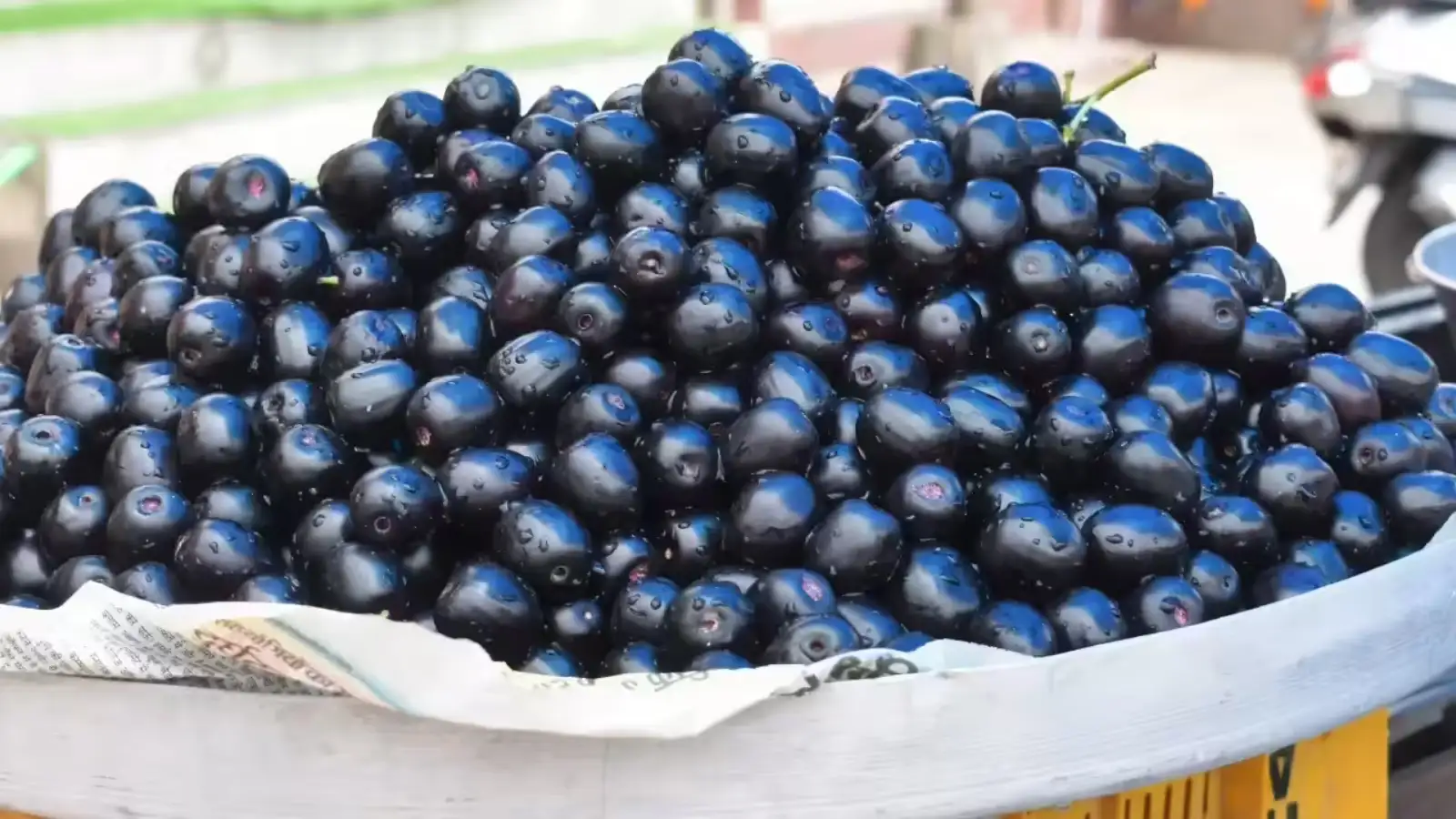
Why Food Pairing Matters After Eating Jamun
According to traditional health beliefs, some foods may not complement jamun well and could lead to digestive issues such as bloating, acidity, or stomach discomfort. While scientific evidence may vary, many people continue to follow these dietary guidelines as a precaution.
Here are five foods commonly believed to be best avoided immediately after consuming jamun.
1. Milk
One of the most common dietary recommendations is to avoid drinking milk soon after eating jamun. Traditional practices suggest that the combination may slow down digestion and potentially cause bloating, stomach pain, or gastric discomfort. To be on the safer side, many experts recommend maintaining a gap of at least two hours between consuming jamun and milk.
2. Pickles
Pickles are known for their strong flavours and acidic nature. Traditional dietary wisdom advises against consuming pickles before or immediately after eating jamun. Combining the two may increase acidity in the stomach, potentially triggering heartburn or acid reflux. Waiting for about an hour before consuming either is generally recommended.
3. Turmeric-Rich Foods
Turmeric is celebrated for its numerous health benefits, but traditional dietary guidance suggests avoiding turmeric-heavy foods immediately after eating jamun. It is believed that this combination may irritate the digestive system in some individuals, leading to nausea, stomach uneasiness, or digestive discomfort.
4. Fried Foods
Deep-fried snacks and fast foods can take longer to digest compared to fresh fruits like jamun. Eating oily foods soon after consuming jamun may burden the digestive system and contribute to bloating, gas, or a feeling of heaviness. Choosing lighter meals after eating jamun may help support smoother digestion.
5. Sugary Sweets and Desserts
Traditional dietary practices also discourage consuming sugary desserts immediately after eating jamun. Since sweets can be harder to process, combining them with jamun may slow digestion and increase the likelihood of stomach discomfort. Giving your body some time before indulging in desserts is often considered a better option.
How to Enjoy Jamun Safely
To get the most out of jamun, enjoy it as a standalone snack or maintain a reasonable gap between it and foods that may not pair well according to traditional beliefs. Staying hydrated and eating a balanced diet can also help support healthy digestion during the summer and monsoon seasons.
Disclaimer
The information above is based on traditional dietary practices and commonly held beliefs. Individual reactions to foods can vary. For personalised dietary guidance or health concerns, consult a qualified healthcare professional or registered nutritionist.
Why Food Pairing Matters After Eating Jamun
According to traditional health beliefs, some foods may not complement jamun well and could lead to digestive issues such as bloating, acidity, or stomach discomfort. While scientific evidence may vary, many people continue to follow these dietary guidelines as a precaution.
Here are five foods commonly believed to be best avoided immediately after consuming jamun.
1. Milk
One of the most common dietary recommendations is to avoid drinking milk soon after eating jamun. Traditional practices suggest that the combination may slow down digestion and potentially cause bloating, stomach pain, or gastric discomfort. To be on the safer side, many experts recommend maintaining a gap of at least two hours between consuming jamun and milk.
2. Pickles
Pickles are known for their strong flavours and acidic nature. Traditional dietary wisdom advises against consuming pickles before or immediately after eating jamun. Combining the two may increase acidity in the stomach, potentially triggering heartburn or acid reflux. Waiting for about an hour before consuming either is generally recommended.
3. Turmeric-Rich Foods
Turmeric is celebrated for its numerous health benefits, but traditional dietary guidance suggests avoiding turmeric-heavy foods immediately after eating jamun. It is believed that this combination may irritate the digestive system in some individuals, leading to nausea, stomach uneasiness, or digestive discomfort.
4. Fried Foods
Deep-fried snacks and fast foods can take longer to digest compared to fresh fruits like jamun. Eating oily foods soon after consuming jamun may burden the digestive system and contribute to bloating, gas, or a feeling of heaviness. Choosing lighter meals after eating jamun may help support smoother digestion.
5. Sugary Sweets and Desserts
Traditional dietary practices also discourage consuming sugary desserts immediately after eating jamun. Since sweets can be harder to process, combining them with jamun may slow digestion and increase the likelihood of stomach discomfort. Giving your body some time before indulging in desserts is often considered a better option.
How to Enjoy Jamun Safely
To get the most out of jamun, enjoy it as a standalone snack or maintain a reasonable gap between it and foods that may not pair well according to traditional beliefs. Staying hydrated and eating a balanced diet can also help support healthy digestion during the summer and monsoon seasons.
Disclaimer
The information above is based on traditional dietary practices and commonly held beliefs. Individual reactions to foods can vary. For personalised dietary guidance or health concerns, consult a qualified healthcare professional or registered nutritionist.
Next Story