
4 Powerful Japanese Memorising Techniques For Better Learning

In a world filled with distractions, improving memory and focus has become essential for students and professionals alike. Japanese memorising techniques are widely admired for their structured and disciplined approach to learning. These methods are not about cramming information but about building long-term retention through consistency, clarity and mental organisation.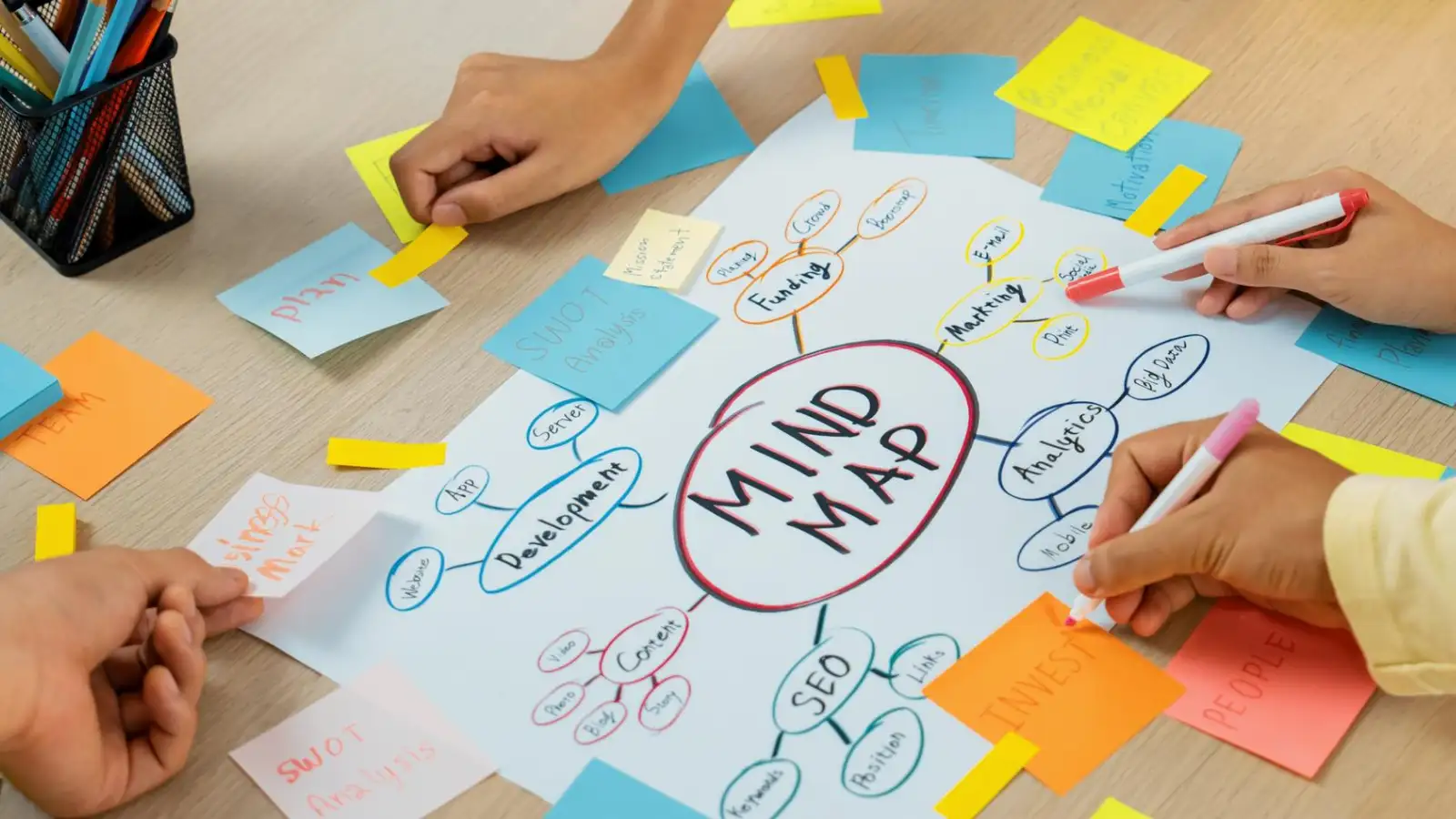
Also Read: 4 Types Of Hobbies That Bring Balance To Your Life
Whether you are a student preparing for exams or a professional learning new skills, these Japanese memorising techniques offer practical and sustainable ways to improve memory. By adopting Kaizen, Shisa-Kanko, Spaced Repetition and Mind Mapping, learners can achieve better focus, stronger recall and long-lasting knowledge retention.
1. Kaizen Learning Method
The Kaizen learning method is based on continuous, small improvements over time. Instead of overwhelming study sessions, learners focus on small, manageable chunks of information daily. This approach strengthens memory retention and reduces mental fatigue. By applying Kaizen, learners develop strong discipline and gradually improve recall ability without pressure, making it one of the most effective Japanese study techniques for memory improvement.2. Shisa-Kanko (Point and Call Technique)
Originally used in Japanese railway systems, Shisa-Kanko involves pointing at information while verbally stating it aloud. This technique engages multiple senses, improving concentration and reducing errors. It is now used in education as a powerful memorising technique for better focus and retention. By combining movement, speech and visual focus, learners reinforce memory pathways more effectively than passive reading.You may also like
- Chinese proverb of the day: “Better to be a dog in times of tranquility than a human in times of chaos.”
- End of an era: LVMH sells Marc Jacobs for Rs 7,090 crore in a massive fashion shake-up
- Quote of the day by Rumi: “Goodbyes are only for those who love with their eyes. Because for those who love with heart and soul there is no such thing as separation.”
- Healthy Aging Test: How strong is your body as you age? This 30-second test will reveal your true fitness.
- After Petrol and Diesel, Mobile Recharges May Also Become More Expensive! Find Out Why Concerns Are Rising
Also Read: 4 Types Of Hobbies That Bring Balance To Your Life
3. Spaced Repetition System (SRS)
The Spaced Repetition System, widely used in Japan and across global learning platforms, is a scientifically proven method for long-term memory retention. It involves reviewing information at increasing intervals over time. This prevents forgetting and strengthens neural connections. Tools like flashcards and digital apps support this method, making it one of the most reliable Japanese memory techniques for efficient learning.4. Mind Mapping Technique
The Japanese approach to mind mapping techniques for memorising focuses on visual organisation of information. Ideas are structured in diagrams, connecting central concepts with related subtopics. This visual learning method helps learners understand relationships between ideas, improving both comprehension and recall. It is especially useful for subjects that require conceptual clarity and structured thinking.Why Japanese Memorising Techniques Work So Well
These methods are rooted in discipline, repetition and mindfulness, which are key principles of Japanese education culture. Unlike quick-fix memorisation strategies, they promote long-term understanding and cognitive stability. Incorporating these effective Japanese learning techniques into daily study routines can significantly enhance productivity and reduce cognitive overload.Whether you are a student preparing for exams or a professional learning new skills, these Japanese memorising techniques offer practical and sustainable ways to improve memory. By adopting Kaizen, Shisa-Kanko, Spaced Repetition and Mind Mapping, learners can achieve better focus, stronger recall and long-lasting knowledge retention.






More from our partners


Loving Newspoint? Download the app now
