
Why Everyone Is Talking About Karonda This Monsoon

As the monsoon arrives, Indian markets come alive with colourful seasonal fruits like mangoes, jamun and litchis. Hidden among these popular favourites is karonda, a small berry that has quietly been a part of Indian kitchens for generations. Scientifically known as Carissa carandas, this native fruit is valued for its tangy flavour, impressive nutrition and versatility. While it may not receive the same attention as other monsoon fruits , its health benefits and culinary uses make it well worth discovering.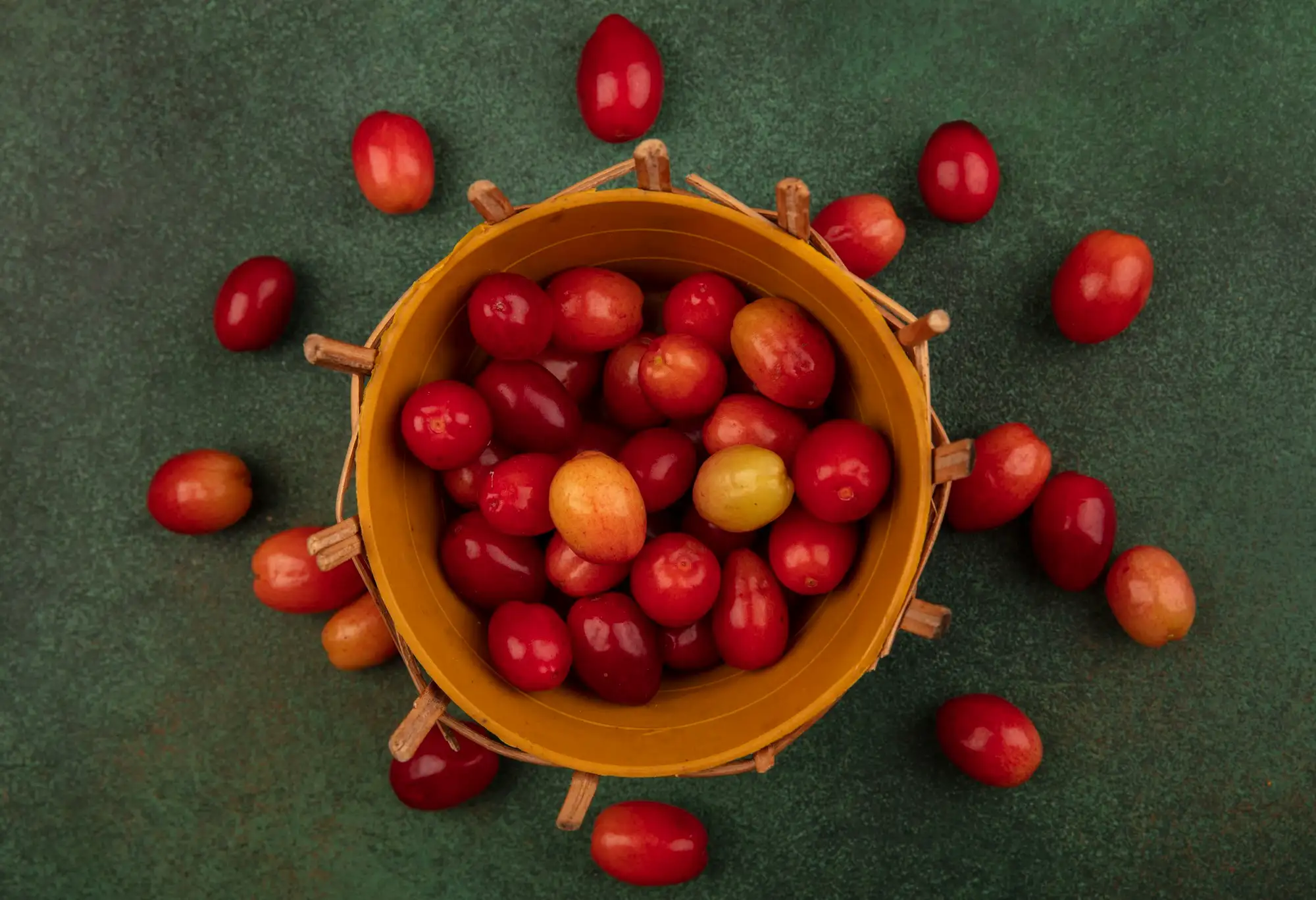
This changing flavour profile has made karonda an important ingredient in regional cuisines across India. From spicy North Indian pickles to tangy Maharashtrian relishes and refreshing summer drinks, the fruit adapts beautifully to a variety of recipes.
Also Read: 5 Surprisingly Healthy Foods That Get A Bad Reputation
Apart from vitamin C, karonda nutrition includes iron, calcium, phosphorus, dietary fibre and powerful antioxidants such as anthocyanins and flavonoids. These nutrients help protect the body from oxidative stress while supporting overall wellbeing.
Its fibre content also supports healthy digestion, promotes a feeling of fullness and contributes to better gut health. This combination makes karonda one of the most beneficial healthy seasonal fruits available during the monsoon.
Modern studies have also highlighted its antioxidant and antimicrobial properties. However, experts recommend enjoying karonda as part of a balanced diet rather than viewing it as a replacement for medical treatment.
Some home cooks even add karonda to curries or prepare tangy accompaniments that complement rich meals. Thanks to its naturally high pectin content, it is particularly suitable for homemade preserves without requiring large amounts of thickening agents.
As interest in sustainable agriculture continues to grow, native fruits like karonda are gaining renewed appreciation for their environmental benefits and resilience.
The next time you visit a local market during the monsoon, consider bringing home a handful of karonda. It offers not only a unique taste but also a wholesome way to enjoy one of India's finest monsoon fruits.
A Berry That Changes with Every Stage of Ripening
Karonda transforms significantly as it ripens. Young fruits are firm and green or pale pink, offering a sharp sour taste that makes them ideal for pickles, chutneys and preserves. As they mature, they develop a rich crimson or deep purple colour and become pleasantly sweet with a mild tartness.This changing flavour profile has made karonda an important ingredient in regional cuisines across India. From spicy North Indian pickles to tangy Maharashtrian relishes and refreshing summer drinks, the fruit adapts beautifully to a variety of recipes.
Also Read: 5 Surprisingly Healthy Foods That Get A Bad Reputation
Packed with Essential Nutrients
One of the biggest karonda health benefits is its impressive nutritional profile. The berry is naturally rich in vitamin C, making it a valuable addition to your diet during the rainy season when immunity often needs extra support.Apart from vitamin C, karonda nutrition includes iron, calcium, phosphorus, dietary fibre and powerful antioxidants such as anthocyanins and flavonoids. These nutrients help protect the body from oxidative stress while supporting overall wellbeing.
A Smart Combination of Vitamin C and Iron
Karonda stands out because it contains both vitamin C and iron. Vitamin C helps improve the body's absorption of iron from food, making this fruit especially useful for those looking to increase their dietary iron intake naturally.Its fibre content also supports healthy digestion, promotes a feeling of fullness and contributes to better gut health. This combination makes karonda one of the most beneficial healthy seasonal fruits available during the monsoon.
A Long-Standing Place in Traditional Wellness
For centuries, different parts of the karonda plant have been used in traditional Ayurvedic practices. The fruit has commonly been associated with digestive health, improved appetite and overall wellness.You may also like
- Protecting Children in Today's World: Recognising Red Flags and Understanding Rights
- Snake Prevention Tips: Follow these easy tips to prevent snakes from coming in the rain
- Home Loan: Opting for a low down payment? Here are the downsides
- Electricity Bill: 3.7 lakh connections to be inspected; Department's decision follows complaints of rising bills
- Train accidents down by 90% in 10 years; what is happening now that wasn't before? Government explains
Modern studies have also highlighted its antioxidant and antimicrobial properties. However, experts recommend enjoying karonda as part of a balanced diet rather than viewing it as a replacement for medical treatment.
More Than Just Pickles
Although many people associate karonda with pickles, its culinary uses extend much further. The fruit can be turned into jams, jellies, syrups, squashes, candies and fruit preserves. Ripe berries also work well in desserts, compotes and homemade spreads.Some home cooks even add karonda to curries or prepare tangy accompaniments that complement rich meals. Thanks to its naturally high pectin content, it is particularly suitable for homemade preserves without requiring large amounts of thickening agents.
A Sustainable Native Fruit
Karonda is not only nutritious but also remarkably resilient. The shrubs thrive in hot, dry climates and poor-quality soils while requiring far less water than many commercial fruit crops. This hardiness makes the plant valuable for farmers in semi-arid regions, where it often serves as both a hedge crop and an additional source of seasonal income.As interest in sustainable agriculture continues to grow, native fruits like karonda are gaining renewed appreciation for their environmental benefits and resilience.
Why Karonda Deserves More Recognition
Whether eaten fresh, pickled or transformed into delicious preserves, karonda is a reminder that some of India's healthiest ingredients are also among its most overlooked. With its bold flavour, outstanding karonda nutrition, rich cultural heritage and impressive karonda health benefits, this humble berry deserves far more attention.The next time you visit a local market during the monsoon, consider bringing home a handful of karonda. It offers not only a unique taste but also a wholesome way to enjoy one of India's finest monsoon fruits.






Loving Newspoint? Download the app now
