
Know the Longest River in Ladakh and Its Importance for the Himalayan Region

The longest river in Ladakh is the Indus River , also known as the Sindhu River , which plays a vital role in shaping the region’s geography, culture and daily life. Flowing through the heart of this mountainous Union Territory, the Indus River provides essential water resources to settlements and supports life in the otherwise dry and rugged landscape of Ladakh.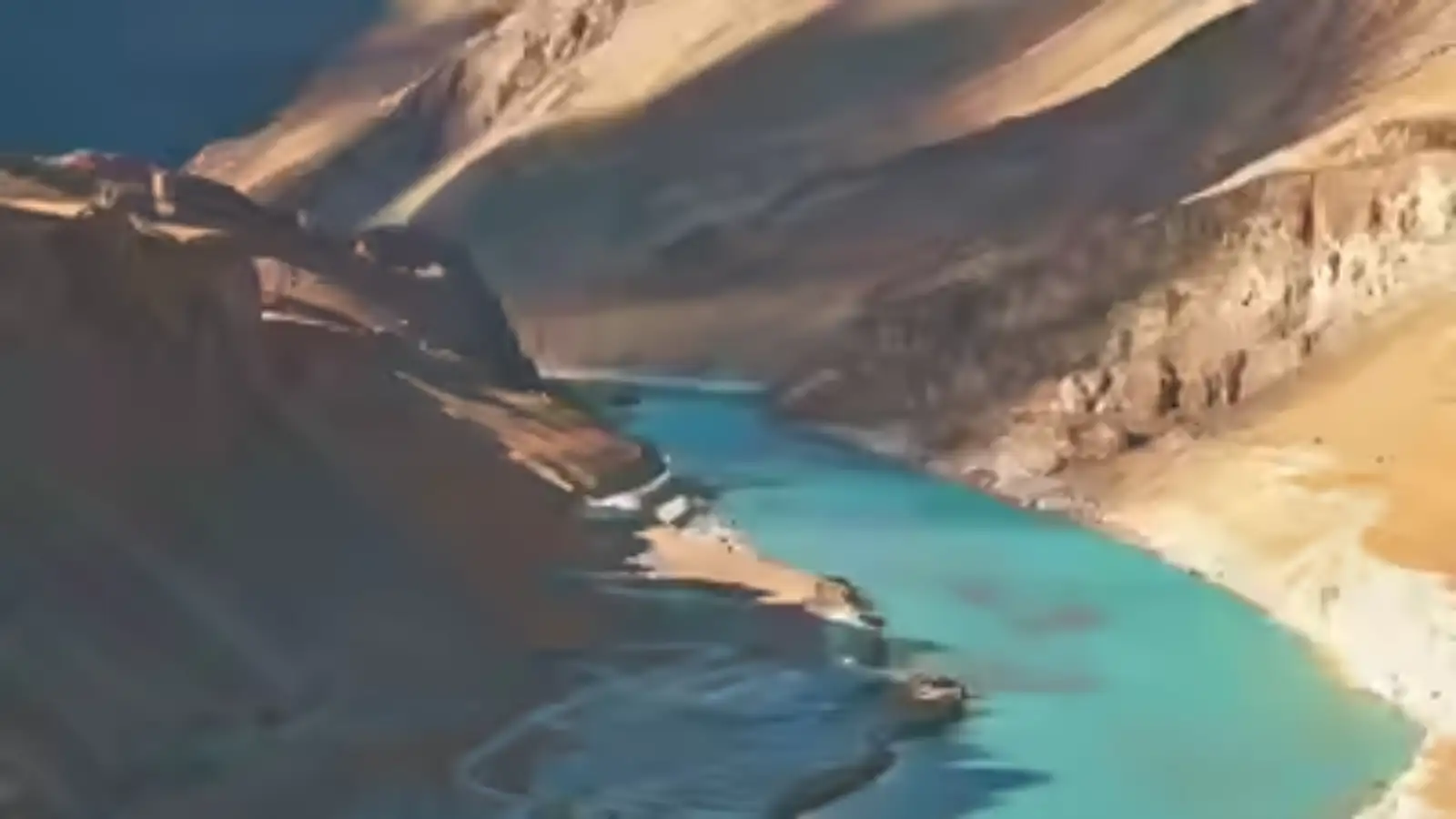
Indus River: The Lifeline of Ladakh
The Indus River is the longest river in Ladakh and one of the most significant rivers in India. Originating near Lake Manasarovar in Tibet, the river travels across the Himalayan region before entering Ladakh and flowing through the central parts of the Union Territory.
With an approximate total length of 3,180 kilometres, the Indus River cuts through towering mountains, creating deep valleys and breathtaking landscapes. In Ladakh, the river flows across the Leh district and serves as a crucial source of water for villages and local communities.
Role of the Indus River in Ladakh’s Landscape
Ladakh is known for its barren mountains, high-altitude deserts and stunning valleys. The Indus River has played a major role in shaping this unique terrain by carving pathways through the Himalayan ranges over thousands of years.
The river and its tributaries are mostly fed by glaciers, allowing them to flow through narrow gorges and rocky valleys. These waterways not only add to Ladakh’s scenic beauty but also support agriculture, tourism and local livelihoods.
Five Longest Rivers in Ladakh
Apart from the Indus River, Ladakh has several other important rivers that contribute to the region’s ecosystem and water supply. The major rivers of Ladakh include:
1. Indus River
The Indus River is the longest and most important river in Ladakh. It flows through the centre of the region and supports numerous settlements, especially in the Leh district.
2. Shyok River
A major tributary of the Indus, the Shyok River flows through the Nubra Valley and is known for its dramatic landscapes surrounded by high mountain ranges.
3. Zanskar River
The Zanskar River flows through the remote Zanskar Valley and is famous for the frozen river trek during winter, attracting adventure enthusiasts from around the world.
4. Suru River
The Suru River, originating from glaciers near the Himalayan ranges, flows through the Kargil region and supports local communities along its route.
5. Nubra River
The Nubra River flows through the Nubra Valley and joins the Shyok River. It adds to the region’s unique natural beauty and helps sustain life in the high-altitude desert.
Rivers of Ladakh: More Than Just Tourist Attractions
The rivers of Ladakh are not only known for their scenic charm but are also essential for the survival of the region’s inhabitants. In a landscape where water resources are limited, these glacier-fed rivers provide drinking water, support farming and maintain the delicate ecosystem.
From the mighty Indus River to the smaller streams flowing through mountain valleys, Ladakh’s rivers continue to remain the lifeline of the region, connecting its people with nature and sustaining life in one of India’s most extraordinary landscapes.
Indus River: The Lifeline of Ladakh
The Indus River is the longest river in Ladakh and one of the most significant rivers in India. Originating near Lake Manasarovar in Tibet, the river travels across the Himalayan region before entering Ladakh and flowing through the central parts of the Union Territory.
With an approximate total length of 3,180 kilometres, the Indus River cuts through towering mountains, creating deep valleys and breathtaking landscapes. In Ladakh, the river flows across the Leh district and serves as a crucial source of water for villages and local communities.
Role of the Indus River in Ladakh’s Landscape
Ladakh is known for its barren mountains, high-altitude deserts and stunning valleys. The Indus River has played a major role in shaping this unique terrain by carving pathways through the Himalayan ranges over thousands of years.
The river and its tributaries are mostly fed by glaciers, allowing them to flow through narrow gorges and rocky valleys. These waterways not only add to Ladakh’s scenic beauty but also support agriculture, tourism and local livelihoods.
You may also like
- Essential Guidelines for Consuming Fruits for Optimal Health
- Feeling different lately? These 5 signs could point to a spiritual emergency
- Saat phere, real emotions and the Reel!
- Socrates could stand still for hours lost in thought: The story behind his unusual habit
- Does Being Overweight Affect Your Chances of Getting Pregnant?
Five Longest Rivers in Ladakh
Apart from the Indus River, Ladakh has several other important rivers that contribute to the region’s ecosystem and water supply. The major rivers of Ladakh include:
1. Indus River
The Indus River is the longest and most important river in Ladakh. It flows through the centre of the region and supports numerous settlements, especially in the Leh district.
2. Shyok River
A major tributary of the Indus, the Shyok River flows through the Nubra Valley and is known for its dramatic landscapes surrounded by high mountain ranges.
3. Zanskar River
The Zanskar River flows through the remote Zanskar Valley and is famous for the frozen river trek during winter, attracting adventure enthusiasts from around the world.
4. Suru River
The Suru River, originating from glaciers near the Himalayan ranges, flows through the Kargil region and supports local communities along its route.
5. Nubra River
The Nubra River flows through the Nubra Valley and joins the Shyok River. It adds to the region’s unique natural beauty and helps sustain life in the high-altitude desert.
Rivers of Ladakh: More Than Just Tourist Attractions
The rivers of Ladakh are not only known for their scenic charm but are also essential for the survival of the region’s inhabitants. In a landscape where water resources are limited, these glacier-fed rivers provide drinking water, support farming and maintain the delicate ecosystem.
From the mighty Indus River to the smaller streams flowing through mountain valleys, Ladakh’s rivers continue to remain the lifeline of the region, connecting its people with nature and sustaining life in one of India’s most extraordinary landscapes.






Loving Newspoint? Download the app now
