
Know the Longest River in Ladakh and Its Importance for the Himalayan Region

The longest river in Ladakh is the Indus River , also known as the Sindhu River , which plays a vital role in shaping the region’s geography, culture and daily life. Flowing through the heart of this mountainous Union Territory, the Indus River provides essential water resources to settlements and supports life in the otherwise dry and rugged landscape of Ladakh.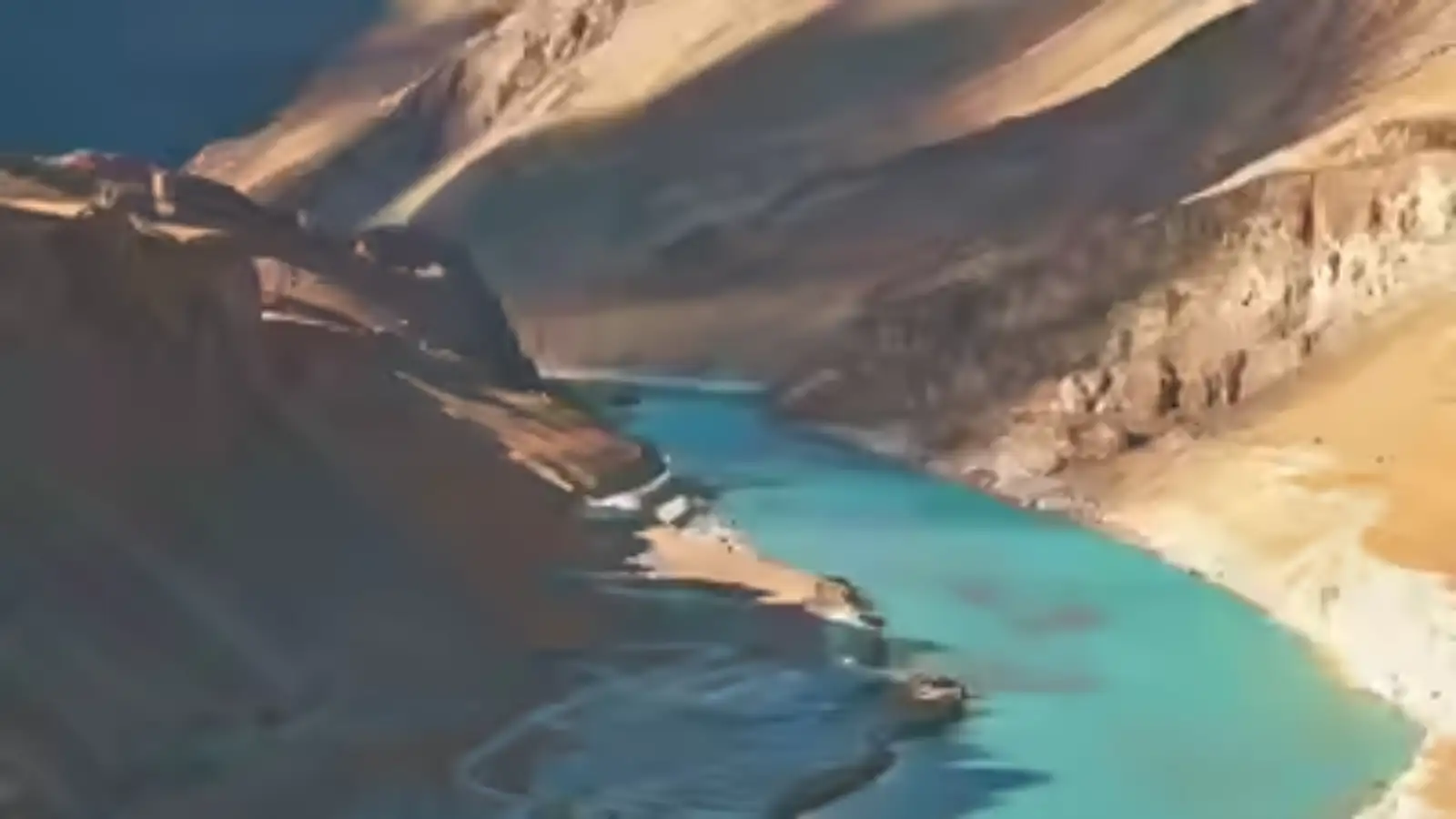
Indus River: The Lifeline of Ladakh
The Indus River is the longest river in Ladakh and one of the most significant rivers in India. Originating near Lake Manasarovar in Tibet, the river travels across the Himalayan region before entering Ladakh and flowing through the central parts of the Union Territory.
With an approximate total length of 3,180 kilometres, the Indus River cuts through towering mountains, creating deep valleys and breathtaking landscapes. In Ladakh, the river flows across the Leh district and serves as a crucial source of water for villages and local communities.
Role of the Indus River in Ladakh’s Landscape
Ladakh is known for its barren mountains, high-altitude deserts and stunning valleys. The Indus River has played a major role in shaping this unique terrain by carving pathways through the Himalayan ranges over thousands of years.
The river and its tributaries are mostly fed by glaciers, allowing them to flow through narrow gorges and rocky valleys. These waterways not only add to Ladakh’s scenic beauty but also support agriculture, tourism and local livelihoods.
Indus River: The Lifeline of Ladakh
The Indus River is the longest river in Ladakh and one of the most significant rivers in India. Originating near Lake Manasarovar in Tibet, the river travels across the Himalayan region before entering Ladakh and flowing through the central parts of the Union Territory.
With an approximate total length of 3,180 kilometres, the Indus River cuts through towering mountains, creating deep valleys and breathtaking landscapes. In Ladakh, the river flows across the Leh district and serves as a crucial source of water for villages and local communities.
Role of the Indus River in Ladakh’s Landscape
Ladakh is known for its barren mountains, high-altitude deserts and stunning valleys. The Indus River has played a major role in shaping this unique terrain by carving pathways through the Himalayan ranges over thousands of years.
The river and its tributaries are mostly fed by glaciers, allowing them to flow through narrow gorges and rocky valleys. These waterways not only add to Ladakh’s scenic beauty but also support agriculture, tourism and local livelihoods.
Next Story