
What's Your Clutter Personality? Find Out And Declutter Smarter

Clutter is not always about having too many belongings. In many cases, it reflects our habits, emotions and decision-making patterns. If you've tried countless decluttering tips but your home always seems to become messy again, understanding your clutter personality could help you find a solution that truly works.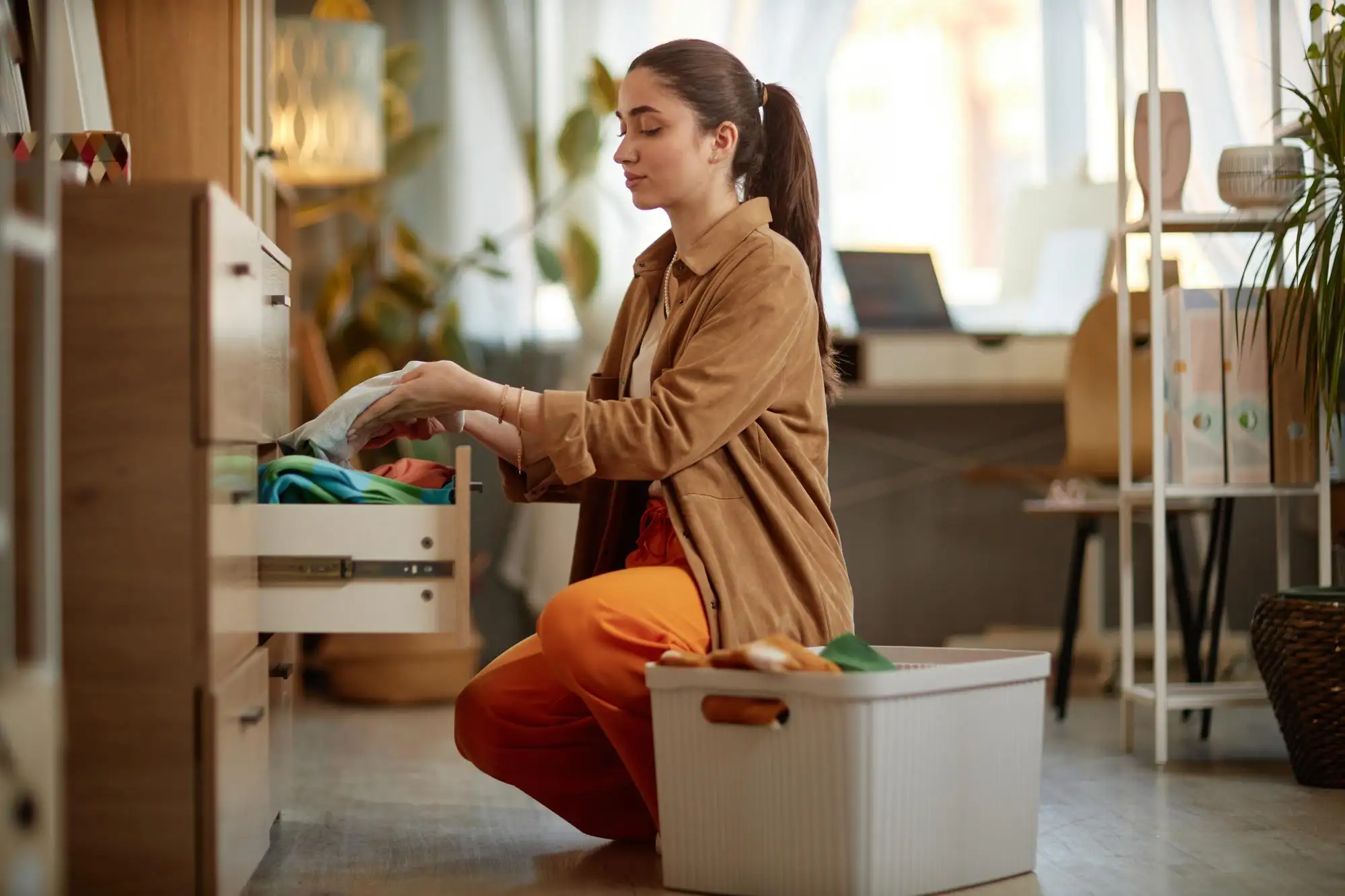
Everyone approaches organisation differently. By identifying your organising style, you can choose methods that suit your lifestyle instead of forcing routines that are difficult to maintain. Here are six common clutter personalities and practical ways to create a more organised home .
Organisation tip: Use transparent storage boxes, labelled containers and open shelving where appropriate. Keeping frequently used items visible but neatly arranged can help maintain a tidy home without creating unnecessary mess.
Also Read: How Simple Weekend Habits Can Help You Stay Organised And Motivated All Week
Organisation tip: Focus on progress rather than perfection. Tackle one drawer, shelf or cupboard at a time instead of trying to transform the entire house in a single day.
Organisation tip: Display your favourite pieces thoughtfully and store the rest in clearly labelled containers. Rotating decorative items throughout the year allows you to enjoy them without overcrowding your home.
Organisation tip: Begin with items that have little sentimental importance. Ask yourself whether each object serves a practical purpose or genuinely adds value to your life. Taking small, consistent steps often feels less overwhelming than making drastic changes.
Organisation tip: Break tasks into manageable sessions lasting 15 to 20 minutes. Completing small goals regularly builds confidence and makes it easier to declutter your home without feeling exhausted.
Organisation tip: Continue reviewing your belongings every few months to prevent clutter from gradually returning. Even naturally organised homes benefit from regular maintenance.
Also Read: 5 Smart Packing Hacks To Travel Organised And Stress-Free Every Time
A well-organised home does not have to be perfectly spotless. Instead, it should be a space that feels comfortable, functional and supports a more stress free home . Understanding your habits is often the first step towards lasting change.
Everyone approaches organisation differently. By identifying your organising style, you can choose methods that suit your lifestyle instead of forcing routines that are difficult to maintain. Here are six common clutter personalities and practical ways to create a more organised home .
1. Out of Sight, Out of Mind
People with this clutter personality often forget about items once they are stored away. As a result, they may leave belongings on worktops, tables or chairs simply because they want everything to remain visible.Organisation tip: Use transparent storage boxes, labelled containers and open shelving where appropriate. Keeping frequently used items visible but neatly arranged can help maintain a tidy home without creating unnecessary mess.
Also Read: How Simple Weekend Habits Can Help You Stay Organised And Motivated All Week
2. The Perfectionist
Perfectionists often delay organising because they are waiting for the perfect system, the ideal storage solution or enough uninterrupted time. This can leave clutter untouched for weeks or even months.Organisation tip: Focus on progress rather than perfection. Tackle one drawer, shelf or cupboard at a time instead of trying to transform the entire house in a single day.
3. The Collector
Collectors enjoy holding on to meaningful objects, souvenirs or collections. While these possessions often have sentimental or personal value, they can quickly overwhelm available space if left unmanaged.Organisation tip: Display your favourite pieces thoughtfully and store the rest in clearly labelled containers. Rotating decorative items throughout the year allows you to enjoy them without overcrowding your home.
You may also like
- Bhumika Shajwani Winner Of Mrs Earth Elite 2026: Behind the crowning moment lay months of rigorous preparation, she says
- Significance of Shravan Month: Eclipses and Worship of Lord Shiva
- Understanding Morning Headaches: Causes and Solutions
- Heart attack: Are you at risk for a heart attack? This test, which costs just ₹300, can save your life
- The Significance of Camphor and Cloves in Hindu Rituals
4. The Hoarder
Some people find it extremely difficult to let go of possessions, worrying they might need them someday or attaching strong emotional value to everyday objects.Organisation tip: Begin with items that have little sentimental importance. Ask yourself whether each object serves a practical purpose or genuinely adds value to your life. Taking small, consistent steps often feels less overwhelming than making drastic changes.
5. The Struggler
This personality often feels motivated to organise but becomes overwhelmed by the process. As a result, projects are started with enthusiasm but rarely completed.Organisation tip: Break tasks into manageable sessions lasting 15 to 20 minutes. Completing small goals regularly builds confidence and makes it easier to declutter your home without feeling exhausted.
6. Less Is More
Some people naturally prefer simple, uncluttered spaces. They regularly remove unnecessary items and enjoy keeping only what they truly use or appreciate.Organisation tip: Continue reviewing your belongings every few months to prevent clutter from gradually returning. Even naturally organised homes benefit from regular maintenance.
Also Read: 5 Smart Packing Hacks To Travel Organised And Stress-Free Every Time
Find the Organising Style That Works for You
There is no single right way to organise a home. The most effective system is one that matches your personality and daily routine. By recognising your clutter personality, you can adopt realistic home organisation strategies that are easier to maintain over time.A well-organised home does not have to be perfectly spotless. Instead, it should be a space that feels comfortable, functional and supports a more stress free home . Understanding your habits is often the first step towards lasting change.






Loving Newspoint? Download the app now
