
Longer Seasons, Better Amenities: What Ladakh’s Industry Status Means for Your Next Trip

For thousands of Indian road-trippers, trekkers, and landscape photographers, journeying to the "land of high passes" is the ultimate travel goal. However, organizing a trip to Leh and Kargil has historically been an expensive affair. Due to a highly restrictive six-month travel window dictated by harsh winters, local hotels are usually forced to recover an entire year's worth of maintenance costs in just one short summer season.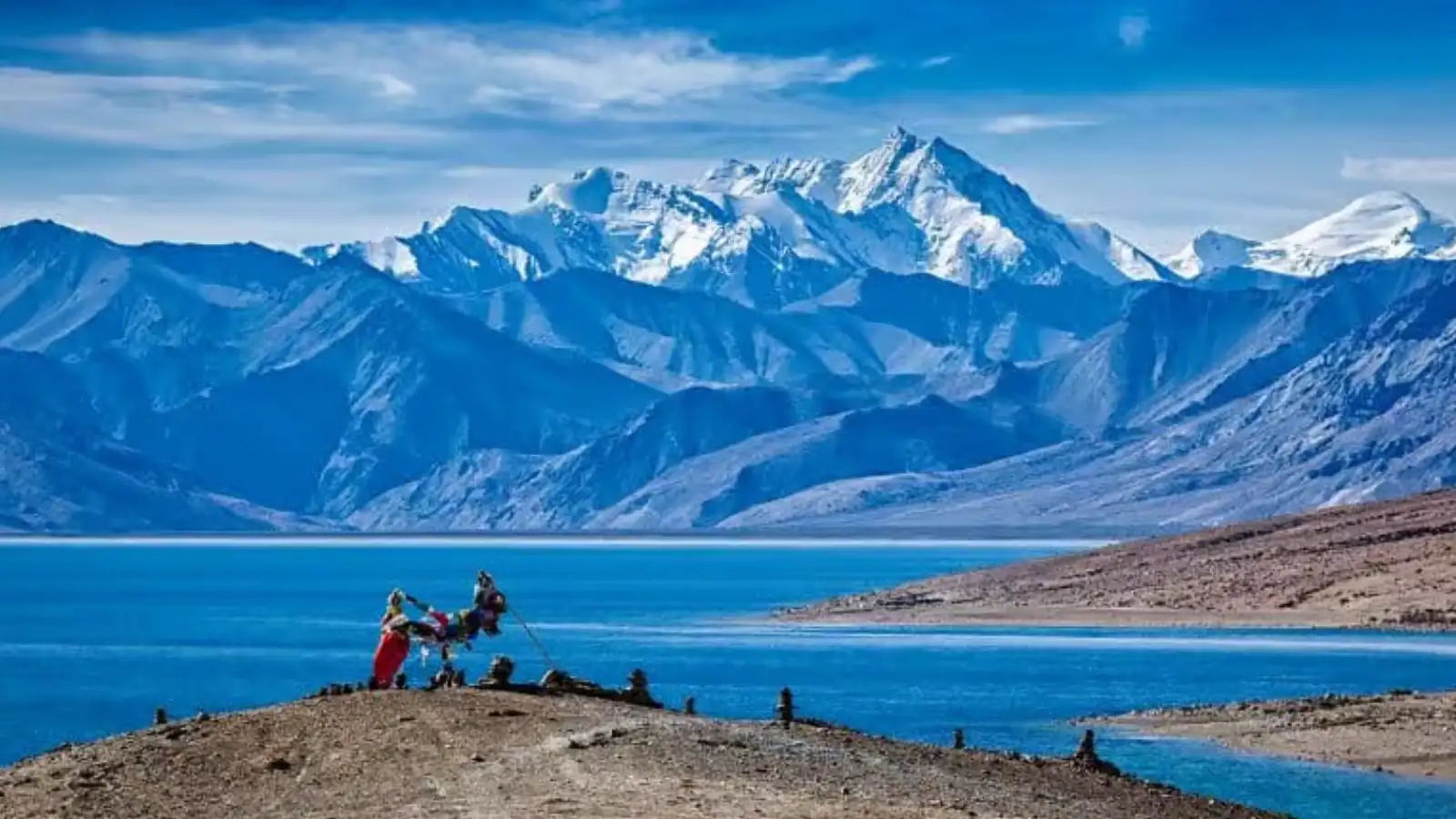
Fortunately, the financial landscape of this iconic destination is about to change. Effective 1 June 2026, the local administration has officially implemented a policy where the Ladakh hospitality sector gets industry status : budget impact on your Himalayan adventure will directly lower operational costs for 1,257 registered hotels and guesthouses, offering substantial benefits to everyday travellers.
The core benefit of this policy change, approved by Ladakh Lieutenant Governor V.K. Saxena, lies in shifting hospitality establishments out of high commercial tax categories and into more affordable industrial brackets. This administrative reclassification directly translates into major savings on daily utility bills:
Beyond just saving money on booking forms, the reduction in daily operating costs frees up crucial capital for local hotel owners to reinvest back into their properties. Travelers can expect much better on-site amenities, including more reliable internal heating systems during freezing high-altitude nights, more stable Wi-Fi connections, and improved eco-friendly waste disposal units. Furthermore, because running a hotel during the quieter months will now be significantly cheaper, many guesthouses are expected to extend their operational calendars. This could effectively stretch the traditional tourism season deeper into the autumn and kick-start it earlier in the spring, allowing visitors to experience the region without the intense summer crowds.
This landmark policy reform also provides a massive boost to the authentic, independent homestays and boutique lodges that line the popular routes through the Nubra Valley and Pangong Tso. By gaining official industry standing, local Ladakhi entrepreneurs can now access concessional institutional financing and bank loans that were previously restricted to factories and manufacturing plants.
Business owners can also tap into lucrative government capital subsidies to integrate green energy solutions like solar heating and sustainable water recycling systems. With 1,078 registered properties in Leh and 179 in Kargil, your holiday spending will now more directly fuel permanent job creation for the local youth, ensuring that the financial rewards of Himalayan tourism stay firmly within the community.
Fortunately, the financial landscape of this iconic destination is about to change. Effective 1 June 2026, the local administration has officially implemented a policy where the Ladakh hospitality sector gets industry status : budget impact on your Himalayan adventure will directly lower operational costs for 1,257 registered hotels and guesthouses, offering substantial benefits to everyday travellers.
Direct Savings on Room Rates and Utilities
The core benefit of this policy change, approved by Ladakh Lieutenant Governor V.K. Saxena, lies in shifting hospitality establishments out of high commercial tax categories and into more affordable industrial brackets. This administrative reclassification directly translates into major savings on daily utility bills:
You may also like
- Delicious Homemade Melody Toffees: A Simple Recipe
- Essential Tips for Stress-Free Family Travel with Kids
- Does Brewing Tea in Brass Utensils Really Enhance Its Flavor?
- Essential Tips for Caring for Your Tulsi Plant in Summer
- Gold Price Today: Gold Gets Costlier Again as 22-Carat Rate Crosses ₹1.45 Lakh in Mumbai and Kolkata
- Electricity Tariffs: Dropping significantly from ₹5.49 per unit down to ₹4.10 per unit.
- Commercial Water Rates: Slashed heavily from up to ₹46 per kilolitre down to the industrial standard of ₹26 per kilolitre.
Upgraded Amenities and Longer Seasons
Beyond just saving money on booking forms, the reduction in daily operating costs frees up crucial capital for local hotel owners to reinvest back into their properties. Travelers can expect much better on-site amenities, including more reliable internal heating systems during freezing high-altitude nights, more stable Wi-Fi connections, and improved eco-friendly waste disposal units. Furthermore, because running a hotel during the quieter months will now be significantly cheaper, many guesthouses are expected to extend their operational calendars. This could effectively stretch the traditional tourism season deeper into the autumn and kick-start it earlier in the spring, allowing visitors to experience the region without the intense summer crowds.
Empowering Homestays and Local Youth
This landmark policy reform also provides a massive boost to the authentic, independent homestays and boutique lodges that line the popular routes through the Nubra Valley and Pangong Tso. By gaining official industry standing, local Ladakhi entrepreneurs can now access concessional institutional financing and bank loans that were previously restricted to factories and manufacturing plants.
Business owners can also tap into lucrative government capital subsidies to integrate green energy solutions like solar heating and sustainable water recycling systems. With 1,078 registered properties in Leh and 179 in Kargil, your holiday spending will now more directly fuel permanent job creation for the local youth, ensuring that the financial rewards of Himalayan tourism stay firmly within the community.






More from our partners


Loving Newspoint? Download the app now
