
Which Country Grows The Most Pumpkins Globally?

Pumpkin is a staple ingredient found in kitchens across the globe, valued for its rich nutrition, versatility, and long shelf life. Whether used in soups, curries, desserts, or snacks, pumpkins have carved a special place in global cuisine. With rising demand and easy cultivation, pumpkin production in the world has seen steady growth over the years.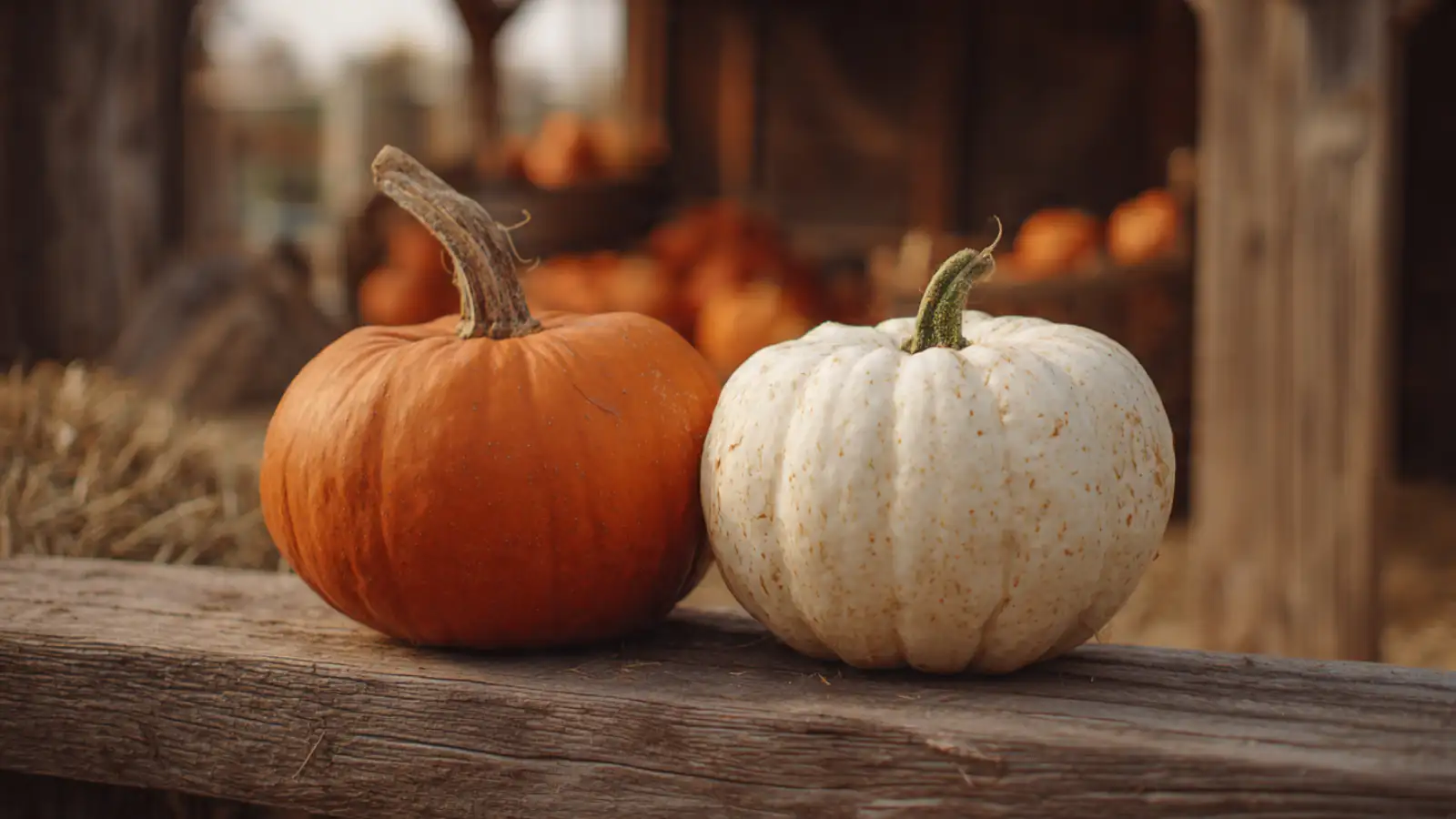
When it comes to the largest producer of pumpkin in the world, China holds the top position. The country contributes a significant share of global pumpkin production due to its vast agricultural land, favourable climate, and modern farming techniques. Pumpkins are cultivated across multiple provinces in China, primarily to meet domestic consumption as well as to support food processing industries. Its strong agricultural infrastructure ensures consistent yield and quality, helping China maintain its global dominance.
Apart from China, several countries also play an important role in global pumpkin production. Nations like India, Russia, Ukraine, and the United States are among the leading producers. These countries benefit from suitable climatic conditions and large farming areas, making pumpkin cultivation both feasible and profitable.
Read More: Land Of Vanilla: Which Nation Leads The World?
In India, pumpkin production is particularly strong in Uttar Pradesh, which is the largest producer in the country. The region’s fertile soil and favourable weather conditions support year-round farming. States like West Bengal and Odisha also contribute significantly, highlighting the importance of pumpkin cultivation in the Indian agricultural landscape.
One of the reasons pumpkins are so widely grown is their adaptability. They can thrive in different soil types and require relatively low maintenance compared to other crops. This makes them a preferred choice for farmers worldwide. Additionally, the steady demand for pumpkins in cooking, festivals, and processed foods further boosts their cultivation.
Beyond agriculture, pumpkins are packed with health benefits. They are rich in vitamin A, vitamin C, and dietary fibre, making them excellent for improving eyesight, boosting immunity, and aiding digestion. The presence of antioxidants also helps protect the body from free radicals, making pumpkin an essential part of a balanced diet.
Pumpkins are incredibly versatile in their use. In India, they are commonly used in curries and sweets, while in Western countries, they are popular in pies, soups, and baked dishes. Pumpkin seeds, known for their high protein and mineral content, are widely consumed as a healthy snack.
Interestingly, pumpkins are botanically classified as fruits, not vegetables, as they develop from flowers and contain seeds. They can also grow to enormous sizes, with some varieties weighing hundreds of kilograms. Their long storage life makes them a valuable crop for farmers, while their role in festivals and traditional dishes adds to their cultural significance.
China continues to lead as the largest producer of pumpkin in the world, supported by strong agricultural systems and high demand. With its nutritional value, versatility, and global appeal, pumpkin remains one of the most important crops worldwide.
When it comes to the largest producer of pumpkin in the world, China holds the top position. The country contributes a significant share of global pumpkin production due to its vast agricultural land, favourable climate, and modern farming techniques. Pumpkins are cultivated across multiple provinces in China, primarily to meet domestic consumption as well as to support food processing industries. Its strong agricultural infrastructure ensures consistent yield and quality, helping China maintain its global dominance.
Apart from China, several countries also play an important role in global pumpkin production. Nations like India, Russia, Ukraine, and the United States are among the leading producers. These countries benefit from suitable climatic conditions and large farming areas, making pumpkin cultivation both feasible and profitable.
Read More: Land Of Vanilla: Which Nation Leads The World?
In India, pumpkin production is particularly strong in Uttar Pradesh, which is the largest producer in the country. The region’s fertile soil and favourable weather conditions support year-round farming. States like West Bengal and Odisha also contribute significantly, highlighting the importance of pumpkin cultivation in the Indian agricultural landscape.
You may also like
- Why You Keep Feeling Thirsty During Pregnancy
- Navratri Day 5 Mantras: 5 Powerful Chants for Maa Skandamata Blessings
- Tax Update: Tax Filing to Become Easier from April 2026: Fewer Forms and Less Hassle..
- 'Best' Skechers trainers 'ever bought' down from £72 to £43 'amazing' for mature shoppers
- How to fix yellow leaves and make your plants green again
One of the reasons pumpkins are so widely grown is their adaptability. They can thrive in different soil types and require relatively low maintenance compared to other crops. This makes them a preferred choice for farmers worldwide. Additionally, the steady demand for pumpkins in cooking, festivals, and processed foods further boosts their cultivation.
Beyond agriculture, pumpkins are packed with health benefits. They are rich in vitamin A, vitamin C, and dietary fibre, making them excellent for improving eyesight, boosting immunity, and aiding digestion. The presence of antioxidants also helps protect the body from free radicals, making pumpkin an essential part of a balanced diet.
Pumpkins are incredibly versatile in their use. In India, they are commonly used in curries and sweets, while in Western countries, they are popular in pies, soups, and baked dishes. Pumpkin seeds, known for their high protein and mineral content, are widely consumed as a healthy snack.
Interestingly, pumpkins are botanically classified as fruits, not vegetables, as they develop from flowers and contain seeds. They can also grow to enormous sizes, with some varieties weighing hundreds of kilograms. Their long storage life makes them a valuable crop for farmers, while their role in festivals and traditional dishes adds to their cultural significance.
China continues to lead as the largest producer of pumpkin in the world, supported by strong agricultural systems and high demand. With its nutritional value, versatility, and global appeal, pumpkin remains one of the most important crops worldwide.






More from our partners


Loving Newspoint? Download the app now
