
Low On Iron? These Everyday Foods Can Help Your Supplement Work Better

Iron deficiency is one of the most common nutritional concerns, affecting people of all ages. While iron supplements are widely prescribed to improve iron levels, many people are unaware that the body absorbs only a small portion of the iron from each tablet. Even more importantly, the foods and drinks consumed alongside the supplement can either improve or reduce iron absorption .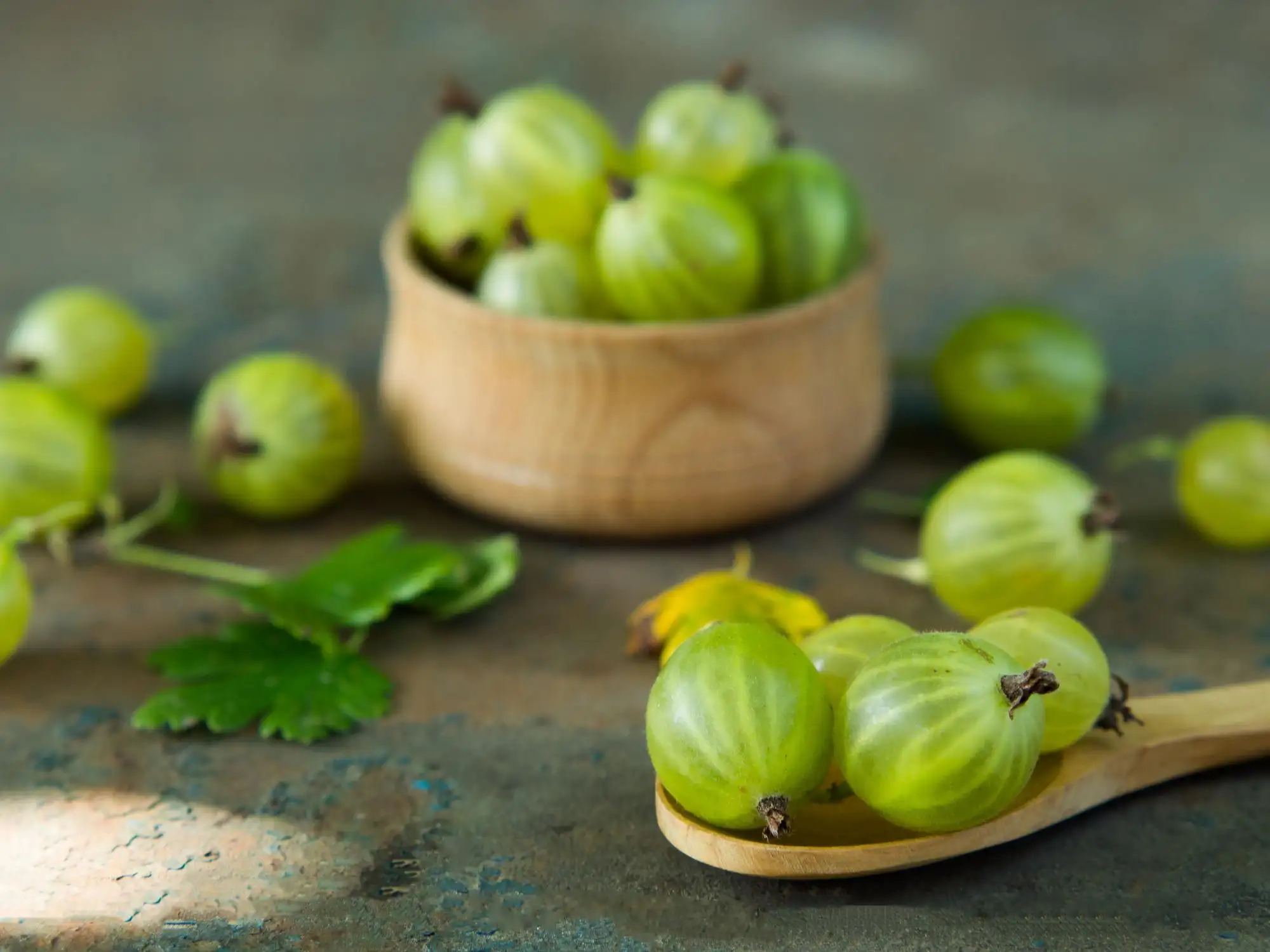
Fortunately, making a few simple changes to your daily eating habits can help your body make better use of every dose.
You can take your iron supplements with a glass of fresh lemon water or orange juice. If you prefer eating instead of drinking, adding vitamin C-rich foods to your meal can be equally beneficial.
Some excellent vitamin C foods include:
Also Read: 5 Superfoods That Provide Long Lasting Energy Naturally
However, some people experience nausea or stomach discomfort when taking iron without food. In such cases, a light meal containing fruits like papaya or vegetables such as tomatoes can make the supplement easier to tolerate while still supporting iron absorption.
Staying well hydrated is also important, as iron supplements may sometimes cause constipation.
By making a few practical adjustments to your routine, you can help your iron supplements work more efficiently and support healthier iron levels over time.
Fortunately, making a few simple changes to your daily eating habits can help your body make better use of every dose.
Pair Iron With Vitamin C For Better Absorption
One of the easiest ways to improve iron absorption is by combining your supplement with foods rich in vitamin C. Vitamin C helps convert iron into a form that is easier for the body to absorb, particularly non-haem iron found in plant-based foods.You can take your iron supplements with a glass of fresh lemon water or orange juice. If you prefer eating instead of drinking, adding vitamin C-rich foods to your meal can be equally beneficial.
Some excellent vitamin C foods include:
- Amla
- Guava
- Fresh lemon or lime juice
- Tomatoes
- Red or yellow capsicum
- Fresh coriander
- Green chillies
Also Read: 5 Superfoods That Provide Long Lasting Energy Naturally
Foods And Drinks That May Reduce Iron Absorption
Certain everyday foods are highly nutritious but may interfere with iron absorption when eaten alongside iron tablets. The key is not to eliminate them but to consume them at different times.Tea And Coffee
Tea and coffee contain natural compounds called tannins and polyphenols, which can significantly reduce the body's ability to absorb iron. Instead of drinking them with your supplement, enjoy them at least one hour before or two hours after taking your tablet.You may also like
- From UNESCO site to housekeeping: 5 things you didn't know about Indian Railways
- Meet Panchayat actor Vinod Suryavanshi, who once stood guard outside a factory just to catch a glimpse of Suniel Shetty and later shared screen with him
- India had a man who dined with Mao, advised Nehru, and wrote Malayalam poetry: Narayani Basu's masterful biography finally tells the forgotten story of K.M. Panikkar
- Understanding High Vaginal Swab Tests: Purpose, Procedure, and Results
- Bank Holiday Today: Are banks open or closed today, Saturday, July 25? Clear up any confusion before you step out..
Dairy Products
Milk, curd, cheese and paneer are excellent sources of calcium, but calcium competes with iron during absorption. If your breakfast includes dairy products, consider taking your iron supplement later or leave a gap of at least two hours.Whole Grains And Legumes
Whole wheat rotis, lentils, rajma and chickpeas contain phytates that can reduce iron absorption. These foods remain an important part of a healthy iron deficiency diet , but taking your supplement separately from a heavy meal may help improve its effectiveness.When Is The Best Time To Take Iron Supplements?
Most healthcare professionals recommend taking iron supplements on an empty stomach with water, ideally in the morning. Pairing them with vitamin C foods can further increase absorption.However, some people experience nausea or stomach discomfort when taking iron without food. In such cases, a light meal containing fruits like papaya or vegetables such as tomatoes can make the supplement easier to tolerate while still supporting iron absorption.
Staying well hydrated is also important, as iron supplements may sometimes cause constipation.
Don't Take Iron And Calcium Together
If you also take calcium supplements, avoid taking them at the same time as iron tablets. Since calcium and iron compete for absorption, leaving at least a two-hour gap between them allows both nutrients to be absorbed more effectively.Small Changes Can Make A Big Difference
Managing iron deficiency involves more than simply taking a daily tablet. Paying attention to meal timing, choosing the right foods rich in iron and vitamin C, and avoiding foods that interfere with absorption can all improve your results.By making a few practical adjustments to your routine, you can help your iron supplements work more efficiently and support healthier iron levels over time.






Loving Newspoint? Download the app now
