
Foods That Stay Fresh Longer and How to Store Them Properly

Food waste has become a growing concern around the world, with millions of tonnes of perfectly edible food being discarded every year. While some fruits, vegetables and dairy products spoil within days, others can remain fresh for weeks or even months when stored correctly. Knowing which foods naturally have a longer shelf life can help families save money, reduce waste and make meal planning easier. From root vegetables and grains to honey and dried beans, certain foods are remarkably durable thanks to their natural composition. Understanding how to store these everyday essentials properly can extend their freshness and ensure they remain safe and nutritious for much longer.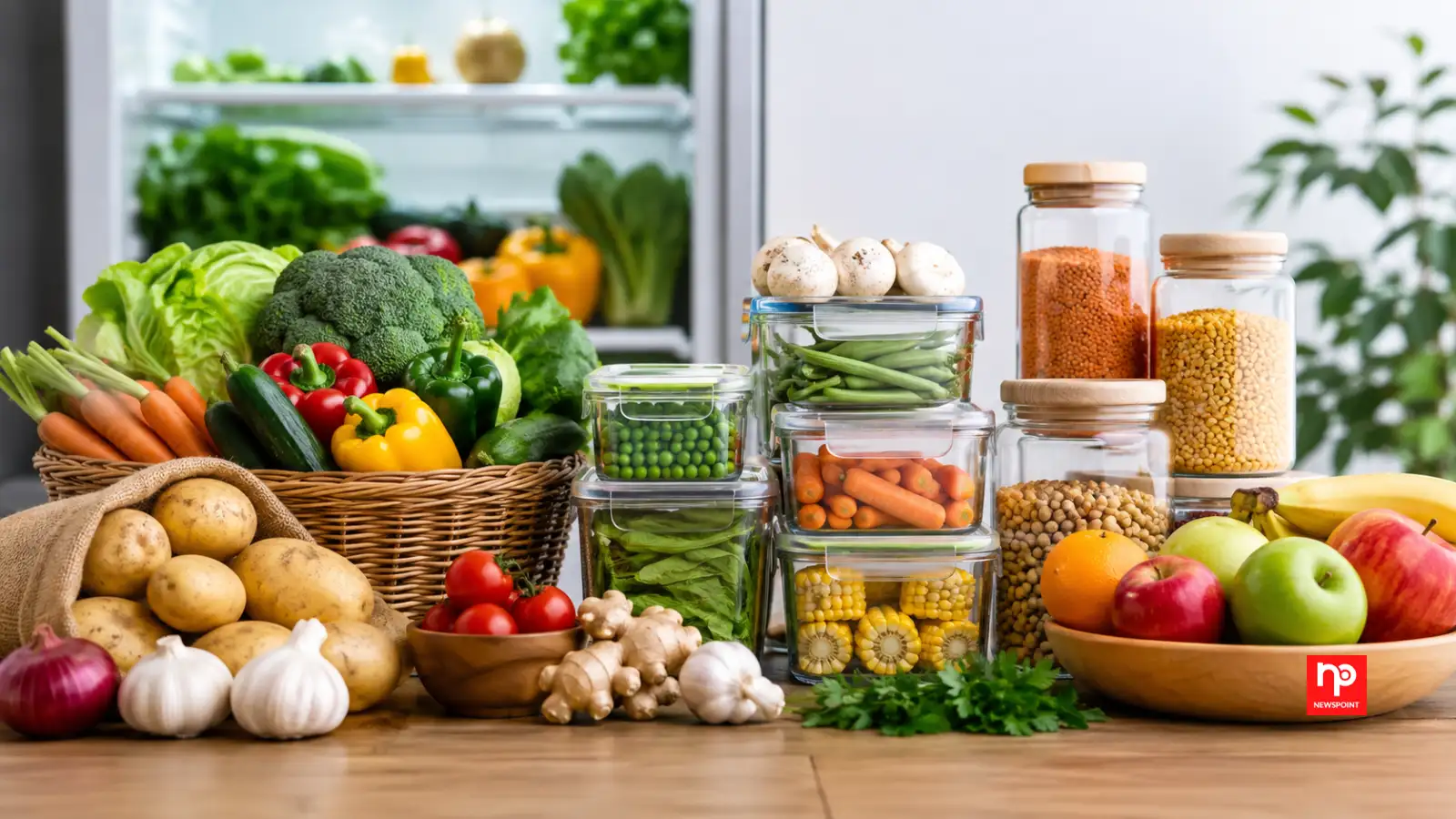
On the other hand, foods with low moisture, high natural sugar or protective outer layers are much more resistant to spoilage. Dry grains, pasta and legumes contain very little water, making it difficult for microorganisms to grow. Similarly, onions and garlic have protective skins that help preserve them naturally.
Temperature also plays an important role. Heat speeds up the growth of bacteria, while cool, dry storage conditions can significantly extend the life of many foods.
Rice, oats, flour and dried pasta can be stored for months in airtight containers, making them reliable pantry essentials. Dried beans, lentils and chickpeas are equally long-lasting and provide valuable sources of protein and fibre.
Honey is one of the most remarkable examples. Thanks to its naturally low moisture and acidic nature, pure honey can remain edible for years if stored in a sealed container. Similarly, salt, sugar and many dried herbs maintain their quality for extended periods when kept away from moisture.
Many people also refrigerate foods unnecessarily. Tomatoes, for example, often lose flavour and texture when chilled, while bananas can develop dark skins in the refrigerator even though the fruit inside remains edible.
Using airtight containers helps protect dry foods from moisture, insects and unwanted odours. Labelling containers with purchase dates can also help households use older items before opening new ones.
Another interesting example is cabbage, which can remain fresh for several weeks in the refrigerator due to its tightly packed leaves. Carrots and beetroot also have excellent storage potential when kept cool and dry.
Many packaged foods carry a "best before" date rather than a safety deadline. In many cases, products remain perfectly safe to eat after this date if they have been stored correctly and show no signs of spoilage.
Long-lasting foods are also valuable during emergencies, travel or periods when shopping frequently is difficult. Maintaining a well-stocked pantry with durable ingredients provides flexibility for preparing healthy meals without constant trips to the supermarket.
As more people become aware of sustainable living, making smarter food storage choices can have both financial and environmental benefits.
Why Some Foods Last Longer Than Others
The shelf life of food depends on several factors, including moisture content, acidity and exposure to air. Foods with high water content, such as berries and leafy greens, tend to spoil quickly because bacteria and mould thrive in moist environments.On the other hand, foods with low moisture, high natural sugar or protective outer layers are much more resistant to spoilage. Dry grains, pasta and legumes contain very little water, making it difficult for microorganisms to grow. Similarly, onions and garlic have protective skins that help preserve them naturally.
Temperature also plays an important role. Heat speeds up the growth of bacteria, while cool, dry storage conditions can significantly extend the life of many foods.
Everyday Foods That Stay Fresh for Longer
Several common kitchen staples are known for their impressive shelf life. Potatoes, sweet potatoes, pumpkins and winter squash can remain fresh for weeks when stored in a cool, dark place. Apples also last much longer than many other fruits, especially when refrigerated.Rice, oats, flour and dried pasta can be stored for months in airtight containers, making them reliable pantry essentials. Dried beans, lentils and chickpeas are equally long-lasting and provide valuable sources of protein and fibre.
Honey is one of the most remarkable examples. Thanks to its naturally low moisture and acidic nature, pure honey can remain edible for years if stored in a sealed container. Similarly, salt, sugar and many dried herbs maintain their quality for extended periods when kept away from moisture.
Storage Matters More Than You Think
Even foods with a naturally long shelf life can spoil if stored incorrectly. Keeping potatoes in direct sunlight can cause them to turn green, while storing onions and potatoes together can make both spoil more quickly because they release gases that affect one another.Many people also refrigerate foods unnecessarily. Tomatoes, for example, often lose flavour and texture when chilled, while bananas can develop dark skins in the refrigerator even though the fruit inside remains edible.
You may also like
- For modern parents, trust begins with the ingredient list on foods
- Gaurav Khanna Shares Brutal Injury Video Amid Bullying Claims
- Vrindavan Chandrodaya Mandir to Host Braj Heritage Fest from August 3
- “Papa used to walk to office to save Rs 5”: Man who went viral after getting his 80-year-old father on a Vande Bharat ride for the first time shares his full emotional story
- From Compassion to Policy: The Kingdom That Is Swapping Chicken-Based Meals For Tofu in Schools, Monasteries and Nunneries
Using airtight containers helps protect dry foods from moisture, insects and unwanted odours. Labelling containers with purchase dates can also help households use older items before opening new ones.
Lesser-Known Facts About Food Freshness
One surprising fact is that eggs often stay fresh much longer than many people expect when refrigerated properly. Likewise, hard cheeses generally last longer than soft varieties because they contain less moisture.Another interesting example is cabbage, which can remain fresh for several weeks in the refrigerator due to its tightly packed leaves. Carrots and beetroot also have excellent storage potential when kept cool and dry.
Many packaged foods carry a "best before" date rather than a safety deadline. In many cases, products remain perfectly safe to eat after this date if they have been stored correctly and show no signs of spoilage.
Why Choosing Long-Lasting Foods Matters Today
With rising grocery prices and growing environmental concerns, reducing food waste has become more important than ever. Buying foods that naturally last longer can help households save money while reducing unnecessary waste.Long-lasting foods are also valuable during emergencies, travel or periods when shopping frequently is difficult. Maintaining a well-stocked pantry with durable ingredients provides flexibility for preparing healthy meals without constant trips to the supermarket.
As more people become aware of sustainable living, making smarter food storage choices can have both financial and environmental benefits.






Loving Newspoint? Download the app now
