
Indian Summer Diet Tips: Powerful Benefits of Eating Seasonal Fruits

When the Indian summer arrives with scorching temperatures and dry winds, nature also brings a colourful selection of fruits designed to help the body adapt to the heat. Mangoes, watermelons, melons, berries, and other seasonal fruits have been an important part of Indian summer food traditions for centuries. These fruits are not only delicious but also provide hydration, vitamins, minerals, and natural energy needed during hot months. Across Indian households, seasonal fruits have always been considered more than just snacks; they are a simple way of supporting health while enjoying the flavours of the season. As temperatures continue to rise, the importance of these natural summer foods has become even more significant.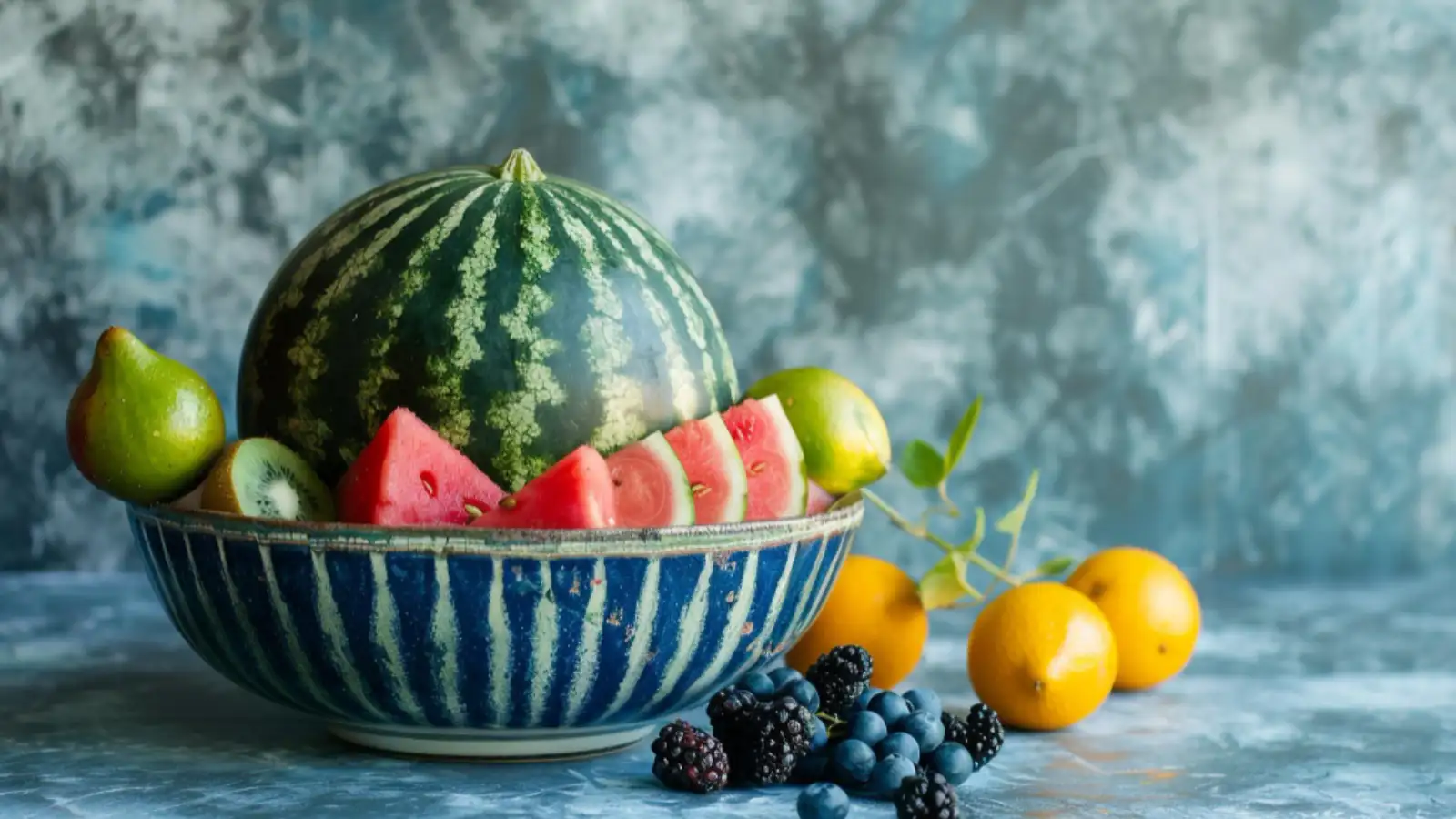
During summer, many fruits contain high water content, making them ideal for maintaining hydration. Watermelon and muskmelon, for example, are popular because they provide fluids along with essential nutrients. Similarly, mangoes, often called the king of fruits in India, offer energy and are deeply connected with the country’s summer traditions.
Many Indian communities also believe that seasonal eating helps the body adjust to environmental changes. While some traditional beliefs come from cultural practices, modern nutrition also highlights the value of fresh, locally available produce.
Beyond their taste, mangoes contain vitamins, antioxidants, and natural carbohydrates that provide energy. Traditionally, mangoes have been enjoyed in many forms, including fresh slices, aamras, chutneys, and refreshing drinks.
A lesser-known fact is that mangoes have been cultivated in India for thousands of years. Historical records suggest that mango cultivation was encouraged during the Mughal era, when royal gardens became famous for developing and preserving different varieties.
Muskmelon is another popular choice, offering nutrients along with a naturally sweet flavour. Cucumbers, although technically classified as fruits botanically, are also common summer additions in Indian meals due to their cooling and hydrating properties.
Jamun, which appears during the early summer months in many regions, is another traditional favourite. This dark purple fruit has been valued in Indian households for generations and continues to be used in seasonal diets.
These fruits support local agriculture, reduce dependence on heavily processed foods, and provide a natural source of nutrition. Buying seasonal produce from local markets also helps consumers connect with regional farming traditions.
With heatwaves becoming more common, choosing water-rich foods has become a practical health decision rather than just a cultural habit.
However, moderation is important. Even naturally sweet fruits contain sugars, so balanced portions are ideal, especially for individuals monitoring their sugar intake.
The best approach is to enjoy a variety of fruits rather than depending on only one option throughout the summer.
The Connection Between Seasonal Fruits and Indian Summer
Indian food culture has always followed the rhythm of the seasons. Before modern supermarkets made year-round availability possible, people naturally consumed fruits according to their growing cycles. This practice ensured that diets matched the nutritional needs of each season.During summer, many fruits contain high water content, making them ideal for maintaining hydration. Watermelon and muskmelon, for example, are popular because they provide fluids along with essential nutrients. Similarly, mangoes, often called the king of fruits in India, offer energy and are deeply connected with the country’s summer traditions.
Many Indian communities also believe that seasonal eating helps the body adjust to environmental changes. While some traditional beliefs come from cultural practices, modern nutrition also highlights the value of fresh, locally available produce.
Mangoes: The Iconic Indian Summer Fruit
No discussion about Indian summer fruits is complete without mangoes. Every year, the arrival of mango season creates excitement across the country, with varieties such as Alphonso, Dasheri, Langra, and Kesar becoming highly popular.Beyond their taste, mangoes contain vitamins, antioxidants, and natural carbohydrates that provide energy. Traditionally, mangoes have been enjoyed in many forms, including fresh slices, aamras, chutneys, and refreshing drinks.
A lesser-known fact is that mangoes have been cultivated in India for thousands of years. Historical records suggest that mango cultivation was encouraged during the Mughal era, when royal gardens became famous for developing and preserving different varieties.
Hydrating Fruits for Better Summer Health
While mangoes dominate the summer fruit conversation, several other Indian summer fruits play an equally important role. Watermelon is widely consumed because of its high water content, helping people stay refreshed during hot days.Muskmelon is another popular choice, offering nutrients along with a naturally sweet flavour. Cucumbers, although technically classified as fruits botanically, are also common summer additions in Indian meals due to their cooling and hydrating properties.
You may also like
- Psychology says that individuals who travel with family tend to exhibit higher emotional resilience, stronger social bonding, and better overall well-being
- SSY Update: New interest rate for Sukanya Samriddhi Yojana announced..
- Inside Emraan Hashmi's Elegant Pali Hill Residence and Impressive Property Portfolio
- Trouble mounts for PF account holders! Users will not be able to withdraw money from their PF accounts until this date..
- 8th Pay Commission: Here are 5 major updates regarding the 8th Pay Commission for central government employees..
Jamun, which appears during the early summer months in many regions, is another traditional favourite. This dark purple fruit has been valued in Indian households for generations and continues to be used in seasonal diets.
Why Indian Summer Fruits Matter Today
Changing lifestyles have increased the consumption of processed snacks and packaged drinks, often replacing fresh seasonal foods. However, growing awareness about healthy eating has brought Indian summer fruits back into focus.These fruits support local agriculture, reduce dependence on heavily processed foods, and provide a natural source of nutrition. Buying seasonal produce from local markets also helps consumers connect with regional farming traditions.
With heatwaves becoming more common, choosing water-rich foods has become a practical health decision rather than just a cultural habit.
Simple Ways to Include Summer Fruits Daily
Adding Indian summer fruits to everyday meals does not require major changes. A bowl of fresh watermelon after lunch, mango with breakfast, or homemade fruit-based drinks can easily become part of a healthy routine.However, moderation is important. Even naturally sweet fruits contain sugars, so balanced portions are ideal, especially for individuals monitoring their sugar intake.
The best approach is to enjoy a variety of fruits rather than depending on only one option throughout the summer.






More from our partners


Loving Newspoint? Download the app now
