
Chasing Rain Safely: 5 Critical Mistakes to Avoid on a Monsoon Trip to Meghalaya

There is a distinct reason why Meghalaya sits at the top of many travel bucket lists during the monsoon months. Towns like Mawsynram and Cherrapunji receive some of the highest recorded rainfalls on the planet, turning the state's signature limestone canyons, ancient caves, and rolling hills into a dramatic, mist-covered wonderland. Yet, the very elements that make the state so visually stunning also present severe logistical and physical hazards. For travelers accustomed to standard leisure destinations, arriving unprepared for Meghalaya's intense rainfall can result in stranded itineraries, vehicle damage, or serious personal injury.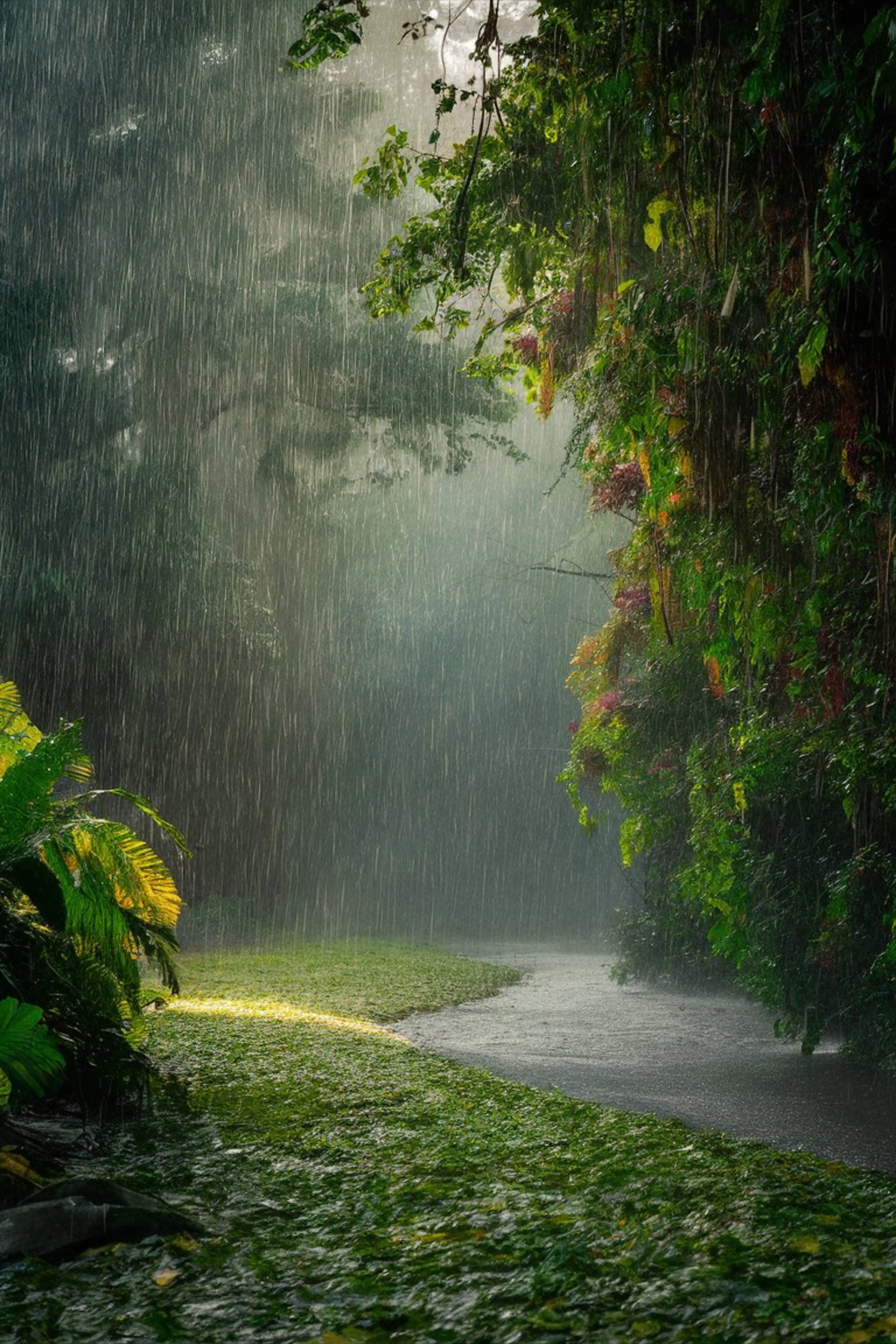
1.Underestimating Mountain Road Driving Conditions
Many tourists attempt to navigate the steep, winding mountain roads from Guwahati to Shillong or Cherrapunji without understanding monsoon driving mechanics. Intense downpours cause sudden, heavy fog that drops visibility to near-zero within minutes, making standard driving hazardous. Furthermore, the risk of sudden rockfalls and landslides along mountain passes means travelers must avoid late-night driving entirely and rely on experienced local drivers who understand the terrain.
2.Wearing Basic Footwear to Living Root Bridges.
Trekking down to Meghalaya’s famous living root bridges, such as the double-decker bridge in Nongriat, requires navigating thousands of steep, concrete steps and raw forest paths. During the monsoon, these pathways become covered in slippery moss and wet clay. Wearing regular running shoes, smooth-soled sneakers, or sandals is a major safety error. Heavy-duty hiking boots with deep rubber grips are non-negotiable to prevent dangerous slips.
3.Swimming in Unverified Natural Pools and Waterfalls
While Meghalaya’s crystal-clear natural pools are major attractions in drier months, the monsoon completely changes their behavior. Sudden cloudbursts upstream can cause peaceful rivers to swell into violent flash floods in seconds. Stepping into water pools below major waterfalls like Wei Sawdong or Nohkalikai is incredibly dangerous due to intense undercurrents and zero visibility below the water's surface.
4.Packing Regular Umbrellas Over Heavy Waterproof Gear
A standard handheld umbrella is practically useless against Meghalaya’s driving, wind-swept monsoon rains. Tourists often make the mistake of not packing specialized, high-grade waterproof gear. To stay dry while exploring, travelers need heavy-duty rain ponchos, waterproof backpack covers, and reliable zip-lock bags to shield sensitive electronics, cameras, and passports from constant moisture.
5.Creating a Rigid, Packed Sightseeing Schedule
Monsoon travel in the northeast requires absolute schedule flexibility. Road closures due to minor landslides, intense fog blankets, or temporary safety blocks at certain viewpoint parks are common. Trying to stick to a strict, hourly itinerary will only lead to frustration. Savvy travelers should build large buffers into their travel days and keep alternative indoor or flexible local options ready in case a specific valley becomes inaccessible.
Standard digital weather applications struggle to accurately predict the micro-climates of Meghalaya's deep valleys. When organizing daily excursions, the most reliable safety tool is the real-time knowledge of local homestay hosts and regional taxi drivers.
If a local village elder or guide warns that a specific forest trek or river viewpoint is unsafe due to recent rain patterns up in the hills, travelers must respect that advice without hesitation. Local communities have coexisted with these extreme weather patterns for generations, and their real-time warnings are vital for keeping tourists out of harm's way.
By packing the right gear, prioritizing physical safety over perfect photos, and treating the mountain roads with respect, you can experience the northeast at its most vibrant. You will walk away not with a story of travel frustration, but with unforgettable memories of witnessing the raw, majestic power of the wettest place on Earth.
5 Mistakes to Avoid When Visiting Meghalaya
1.Underestimating Mountain Road Driving Conditions
Many tourists attempt to navigate the steep, winding mountain roads from Guwahati to Shillong or Cherrapunji without understanding monsoon driving mechanics. Intense downpours cause sudden, heavy fog that drops visibility to near-zero within minutes, making standard driving hazardous. Furthermore, the risk of sudden rockfalls and landslides along mountain passes means travelers must avoid late-night driving entirely and rely on experienced local drivers who understand the terrain.
2.Wearing Basic Footwear to Living Root Bridges.
Trekking down to Meghalaya’s famous living root bridges, such as the double-decker bridge in Nongriat, requires navigating thousands of steep, concrete steps and raw forest paths. During the monsoon, these pathways become covered in slippery moss and wet clay. Wearing regular running shoes, smooth-soled sneakers, or sandals is a major safety error. Heavy-duty hiking boots with deep rubber grips are non-negotiable to prevent dangerous slips.
3.Swimming in Unverified Natural Pools and Waterfalls
While Meghalaya’s crystal-clear natural pools are major attractions in drier months, the monsoon completely changes their behavior. Sudden cloudbursts upstream can cause peaceful rivers to swell into violent flash floods in seconds. Stepping into water pools below major waterfalls like Wei Sawdong or Nohkalikai is incredibly dangerous due to intense undercurrents and zero visibility below the water's surface.
4.Packing Regular Umbrellas Over Heavy Waterproof Gear
A standard handheld umbrella is practically useless against Meghalaya’s driving, wind-swept monsoon rains. Tourists often make the mistake of not packing specialized, high-grade waterproof gear. To stay dry while exploring, travelers need heavy-duty rain ponchos, waterproof backpack covers, and reliable zip-lock bags to shield sensitive electronics, cameras, and passports from constant moisture.
You may also like
- Psychology says people who listen to familiar songs on repeat aren't stuck in the past: Research suggests repeated music helps regulate emotion and create a sense of stability
- Railways: Get a refund for bad food served on the train—just do this one thing immediately..
- EPFO New Rule: Good news for crores of employees! PF interest to be credited by July 15..
- 7 British-era dishes Indians still love
- If you plan to withdraw money from your PF account, hold off for now; your claim could get stuck for up to two weeks..
5.Creating a Rigid, Packed Sightseeing Schedule
Monsoon travel in the northeast requires absolute schedule flexibility. Road closures due to minor landslides, intense fog blankets, or temporary safety blocks at certain viewpoint parks are common. Trying to stick to a strict, hourly itinerary will only lead to frustration. Savvy travelers should build large buffers into their travel days and keep alternative indoor or flexible local options ready in case a specific valley becomes inaccessible.
Respecting Local Communities and Weather Wisely
Standard digital weather applications struggle to accurately predict the micro-climates of Meghalaya's deep valleys. When organizing daily excursions, the most reliable safety tool is the real-time knowledge of local homestay hosts and regional taxi drivers.
If a local village elder or guide warns that a specific forest trek or river viewpoint is unsafe due to recent rain patterns up in the hills, travelers must respect that advice without hesitation. Local communities have coexisted with these extreme weather patterns for generations, and their real-time warnings are vital for keeping tourists out of harm's way.
Exploring with Patience and Preparation
Ultimately, navigating Meghalaya during the rainy season is a masterclass in slow, mindful travel. When you avoid these five common mistakes and adjust your expectations to match the natural rhythm of the environment, the rewards are unmatched.By packing the right gear, prioritizing physical safety over perfect photos, and treating the mountain roads with respect, you can experience the northeast at its most vibrant. You will walk away not with a story of travel frustration, but with unforgettable memories of witnessing the raw, majestic power of the wettest place on Earth.






Loving Newspoint? Download the app now
