
Monsoon Diet: 4 Vegetables to Avoid During the Rainy Season, According to a Nutritionist

Monsoon diet plays an important role in keeping your digestive system healthy, as the rainy season creates ideal conditions for bacteria, fungi and other harmful microorganisms to thrive. While fresh vegetables are an essential part of a balanced diet, some varieties are more likely to carry contaminants during the monsoon. Nutritionist Kiran Kukreja has highlighted a few commonly consumed vegetables that deserve extra caution in this season, along with healthier alternatives that are better suited for rainy days.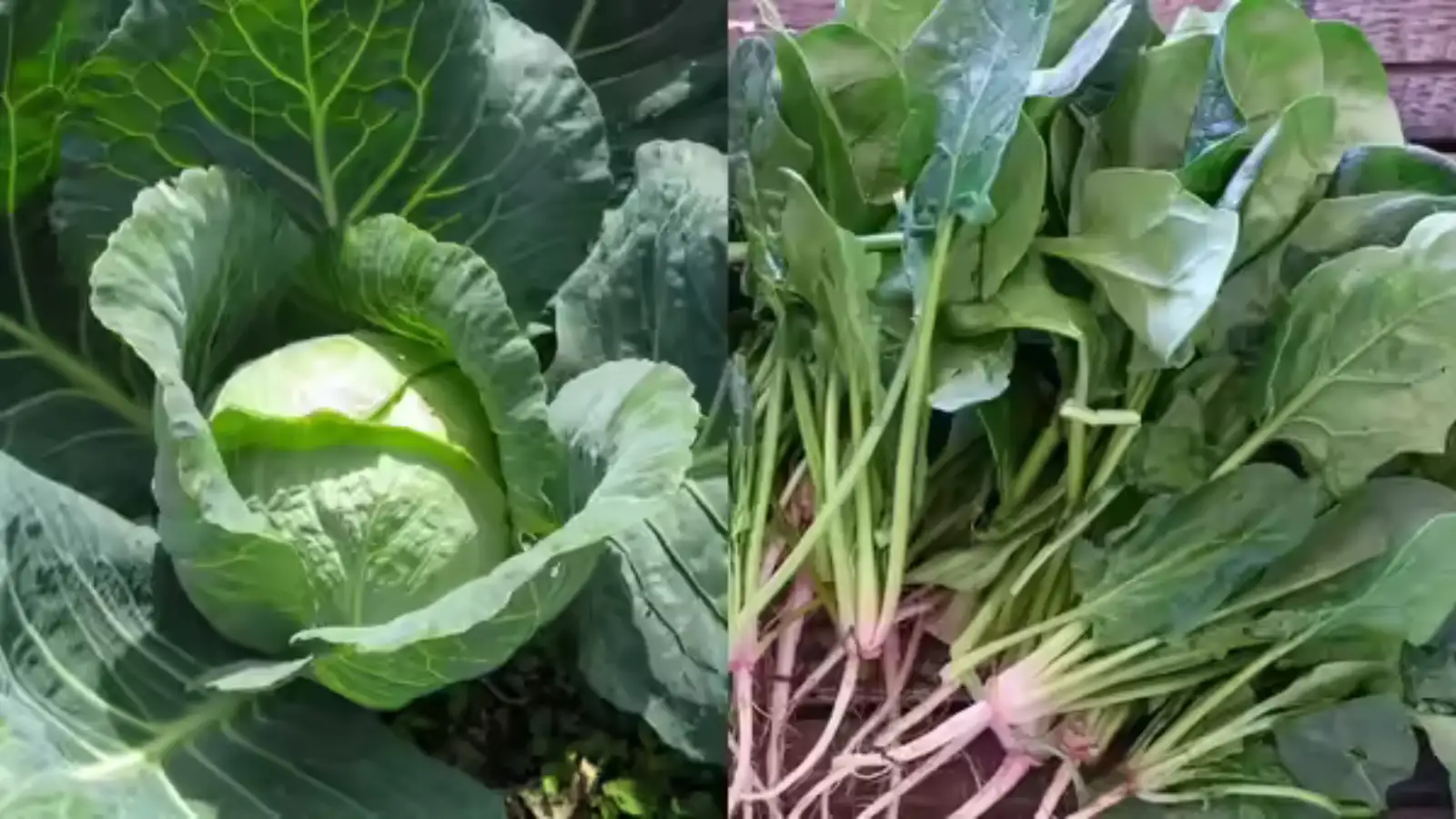
Why food safety matters more during the monsoon
The arrival of the monsoon brings welcome relief from the heat, but it also increases humidity and moisture levels. These conditions encourage the growth of bacteria, fungi and other microbes that can contaminate food more easily. As a result, experts recommend paying closer attention to food hygiene, proper washing, cooking and storage during this time to reduce the risk of stomach infections and foodborne illnesses.
1. Leafy greens may carry hidden contaminants
Green leafy vegetables like spinach are packed with nutrients, but they can become more difficult to clean during the rainy season. Moist conditions allow bacteria, insects and other microorganisms to cling to the leaves, and even repeated washing may not remove every contaminant.
Consuming contaminated leafy vegetables may increase the risk of digestive infections and food poisoning, making them a food that should be eaten with extra care during the monsoon.
2. Cabbage and cauliflower can trap bacteria
Cruciferous vegetables such as cabbage and cauliflower are another category that requires caution. Their tightly packed leaves and florets can easily trap dirt, moisture and harmful bacteria, making thorough cleaning a challenge.
During humid weather, these vegetables may become more susceptible to contamination. Proper washing and cooking are essential before including them in meals.
3. Mushrooms need careful handling
Mushrooms naturally grow in damp environments, making them more vulnerable to contamination if they are not handled correctly. Improper cleaning, storage or cooking can increase the chances of foodborne illnesses.
Experts suggest purchasing mushrooms only from trusted sellers, storing them correctly and cooking them thoroughly before consumption, especially during the rainy season.
4. Never eat sprouted potatoes
Sprouted potatoes should be avoided regardless of the season, but they deserve special attention during the monsoon. Once potatoes begin to sprout, they produce higher amounts of solanine, a naturally occurring toxic compound.
Eating sprouted potatoes may cause nausea, headaches, stomach discomfort and other digestive problems. Fresh, firm potatoes without sprouts are always the safer option.
Healthier vegetables to include in your monsoon diet
Avoiding a few vegetables doesn't mean compromising on nutrition. Kiran Kukreja recommends choosing vegetables that are generally considered safer during the rainy season because of their lower moisture content. Some good options include:
These vegetables can be included in a balanced monsoon meal when they are washed thoroughly and cooked properly.
Simple tips to stay safe during the rainy season
Along with choosing the right vegetables, maintaining proper food hygiene is equally important during the monsoon. Always wash produce thoroughly, cook vegetables completely, avoid stale or spoiled food, and buy fresh ingredients from trusted sources. These simple precautions can help lower the risk of seasonal infections while ensuring your meals remain both nutritious and safe.
Why food safety matters more during the monsoon
The arrival of the monsoon brings welcome relief from the heat, but it also increases humidity and moisture levels. These conditions encourage the growth of bacteria, fungi and other microbes that can contaminate food more easily. As a result, experts recommend paying closer attention to food hygiene, proper washing, cooking and storage during this time to reduce the risk of stomach infections and foodborne illnesses.
1. Leafy greens may carry hidden contaminants
Green leafy vegetables like spinach are packed with nutrients, but they can become more difficult to clean during the rainy season. Moist conditions allow bacteria, insects and other microorganisms to cling to the leaves, and even repeated washing may not remove every contaminant.
Consuming contaminated leafy vegetables may increase the risk of digestive infections and food poisoning, making them a food that should be eaten with extra care during the monsoon.
2. Cabbage and cauliflower can trap bacteria
Cruciferous vegetables such as cabbage and cauliflower are another category that requires caution. Their tightly packed leaves and florets can easily trap dirt, moisture and harmful bacteria, making thorough cleaning a challenge.
You may also like
- Baby Still Breech After 32 Weeks? What Indian Moms Should Know
- Katrina Kaif Celebrates 43rd Birthday with Family Moments on Instagram
- Essential Guidelines for Consuming Fruits for Optimal Health
- Feeling different lately? These 5 signs could point to a spiritual emergency
- Saat phere, real emotions and the Reel!
During humid weather, these vegetables may become more susceptible to contamination. Proper washing and cooking are essential before including them in meals.
3. Mushrooms need careful handling
Mushrooms naturally grow in damp environments, making them more vulnerable to contamination if they are not handled correctly. Improper cleaning, storage or cooking can increase the chances of foodborne illnesses.
Experts suggest purchasing mushrooms only from trusted sellers, storing them correctly and cooking them thoroughly before consumption, especially during the rainy season.
4. Never eat sprouted potatoes
Sprouted potatoes should be avoided regardless of the season, but they deserve special attention during the monsoon. Once potatoes begin to sprout, they produce higher amounts of solanine, a naturally occurring toxic compound.
Eating sprouted potatoes may cause nausea, headaches, stomach discomfort and other digestive problems. Fresh, firm potatoes without sprouts are always the safer option.
Healthier vegetables to include in your monsoon diet
Avoiding a few vegetables doesn't mean compromising on nutrition. Kiran Kukreja recommends choosing vegetables that are generally considered safer during the rainy season because of their lower moisture content. Some good options include:
- Bottle gourd (lauki)
- Ridge gourd (turai)
- Parwal (pointed gourd)
- Corn
- Cluster beans (gawar phali)
These vegetables can be included in a balanced monsoon meal when they are washed thoroughly and cooked properly.
Simple tips to stay safe during the rainy season
Along with choosing the right vegetables, maintaining proper food hygiene is equally important during the monsoon. Always wash produce thoroughly, cook vegetables completely, avoid stale or spoiled food, and buy fresh ingredients from trusted sources. These simple precautions can help lower the risk of seasonal infections while ensuring your meals remain both nutritious and safe.






Loving Newspoint? Download the app now
