
Monsoon Diet: 4 Vegetables to Avoid During the Rainy Season, According to a Nutritionist

Monsoon diet plays an important role in keeping your digestive system healthy, as the rainy season creates ideal conditions for bacteria, fungi and other harmful microorganisms to thrive. While fresh vegetables are an essential part of a balanced diet, some varieties are more likely to carry contaminants during the monsoon. Nutritionist Kiran Kukreja has highlighted a few commonly consumed vegetables that deserve extra caution in this season, along with healthier alternatives that are better suited for rainy days.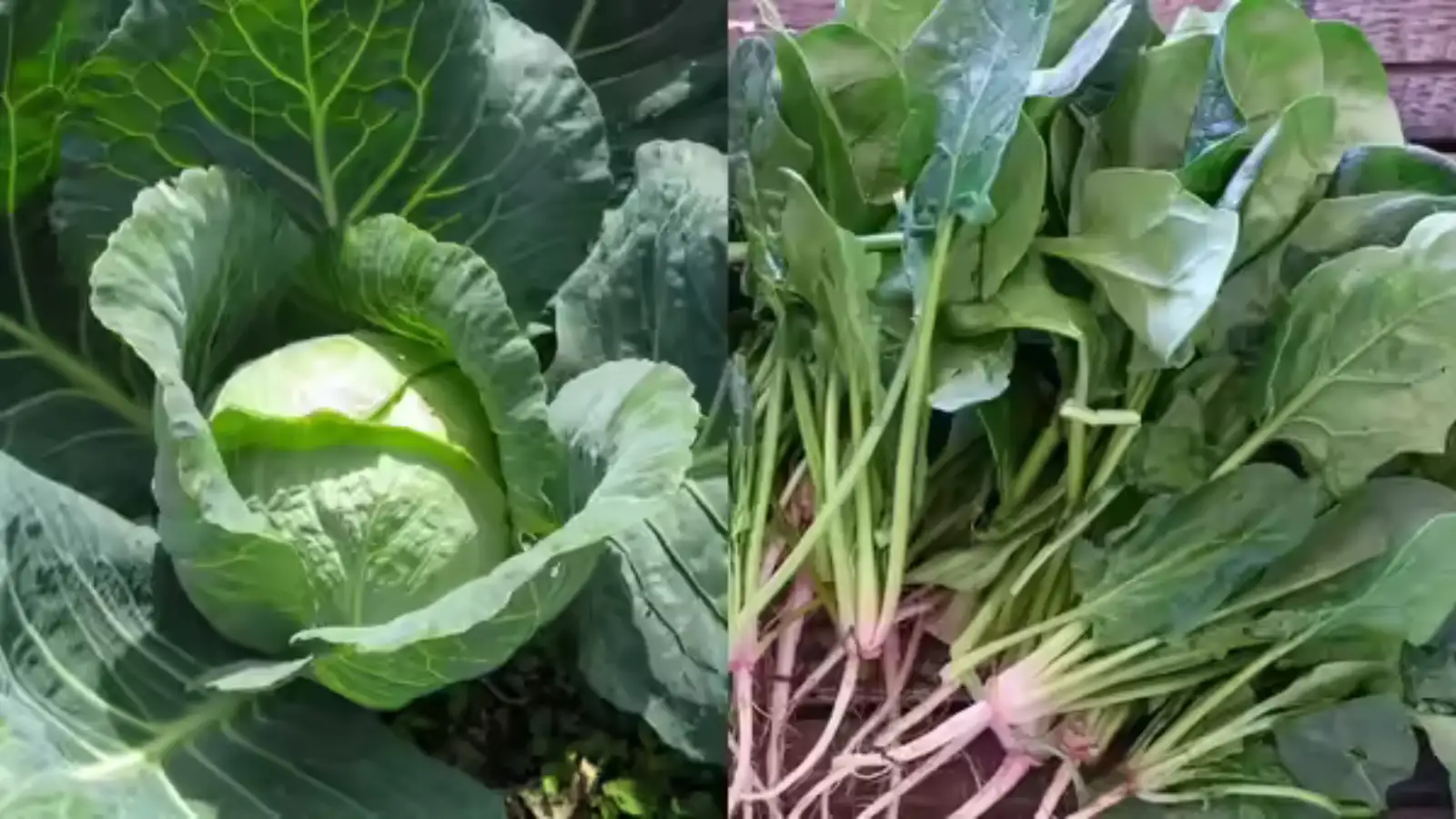
Why food safety matters more during the monsoon
The arrival of the monsoon brings welcome relief from the heat, but it also increases humidity and moisture levels. These conditions encourage the growth of bacteria, fungi and other microbes that can contaminate food more easily. As a result, experts recommend paying closer attention to food hygiene, proper washing, cooking and storage during this time to reduce the risk of stomach infections and foodborne illnesses.
1. Leafy greens may carry hidden contaminants
Green leafy vegetables like spinach are packed with nutrients, but they can become more difficult to clean during the rainy season. Moist conditions allow bacteria, insects and other microorganisms to cling to the leaves, and even repeated washing may not remove every contaminant.
Consuming contaminated leafy vegetables may increase the risk of digestive infections and food poisoning, making them a food that should be eaten with extra care during the monsoon.
2. Cabbage and cauliflower can trap bacteria
Cruciferous vegetables such as cabbage and cauliflower are another category that requires caution. Their tightly packed leaves and florets can easily trap dirt, moisture and harmful bacteria, making thorough cleaning a challenge.
Why food safety matters more during the monsoon
The arrival of the monsoon brings welcome relief from the heat, but it also increases humidity and moisture levels. These conditions encourage the growth of bacteria, fungi and other microbes that can contaminate food more easily. As a result, experts recommend paying closer attention to food hygiene, proper washing, cooking and storage during this time to reduce the risk of stomach infections and foodborne illnesses.
1. Leafy greens may carry hidden contaminants
Green leafy vegetables like spinach are packed with nutrients, but they can become more difficult to clean during the rainy season. Moist conditions allow bacteria, insects and other microorganisms to cling to the leaves, and even repeated washing may not remove every contaminant.
Consuming contaminated leafy vegetables may increase the risk of digestive infections and food poisoning, making them a food that should be eaten with extra care during the monsoon.
2. Cabbage and cauliflower can trap bacteria
Cruciferous vegetables such as cabbage and cauliflower are another category that requires caution. Their tightly packed leaves and florets can easily trap dirt, moisture and harmful bacteria, making thorough cleaning a challenge.
Next Story